
Top 5 most expensive and rare Roman coins
A look into the world of ancient numismatics

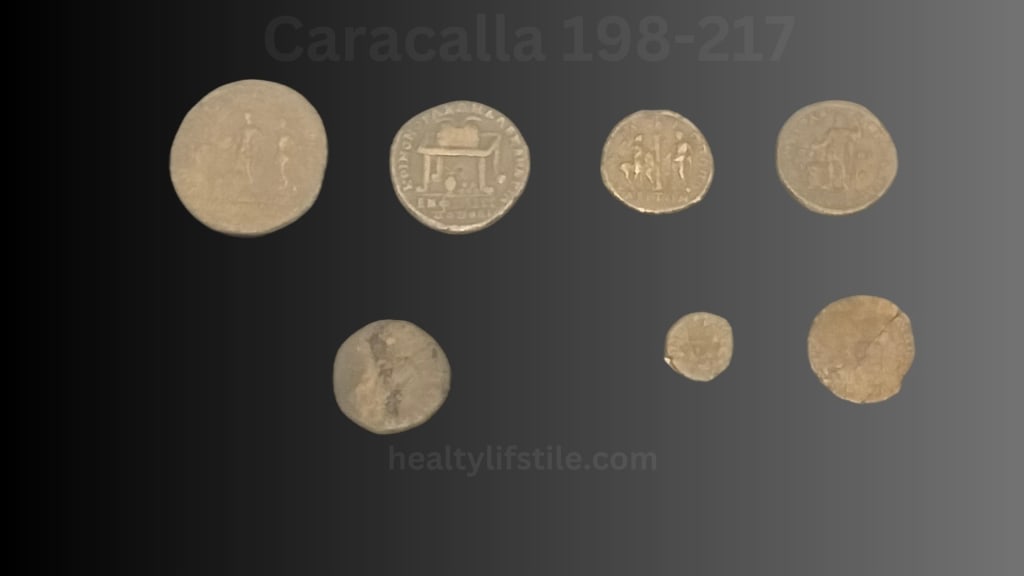
If you've ever wondered about the value and rarity of ancient Roman coins, you're not alone. These antique pieces of history have always been sought after by collectors and historians alike. The world of numismatics, or the study of coins and currency, is a fascinating one. In this article, we'll take a closer look at the top 5 most expensive and rare Roman coins and explore why they're worth a fortune.
Content
Introduction
- What makes a Roman coin valuable?
- Top 5 most expensive and rare Roman coins
- Denarius EID MAR
- The Aureus of Octavian
- The Aureus of Julius Caesar
- Nero's double denarius
- Antoninian by Probus
- Why are these coins so rare and expensive?
- Conclusion
- Frequently Asked Questions
Introduction
Roman coins have always held a special place in the world of numismatics. They represent an important era in human history and have been collected and studied for centuries. The value of a Roman coin depends on a number of factors, including its rarity, historical significance, and condition.In this article, we will take a closer look at the top 5 most expensive and rare Roman coins and explore why they are so valuable.
What makes a Roman coin valuable?
When it comes to determining the value of a Roman coin, there are several factors to consider. The rarity of the coin is perhaps the most important factor. The fewer examples of a particular coin exist, the more valuable it is. Historical significance is also an important factor. Coins that are minted to commemorate important events or rulers are often more valuable than coins that are minted for everyday use. Finally, the condition of the coin is also important. Coins that are in excellent condition are usually more valuable than those that are worn or damaged.
Top 5 most expensive and rare Roman coins
Denarius EID MAR
The EID MAR denarius is one of the most famous Roman coins of all time. It was minted by Brutus in 42 BC to commemorate the assassination of Julius Caesar. The coin features a cap of liberty between two daggers, along with the inscription EID MAR (Ides of March). The coin is incredibly rare, with only about 60 examples known to exist. In 2020, one of these coins sold for over $3.5 million.
The Aureus of Octavian
Octavian's aureus was struck in 28 BC, shortly after he became the first Roman emperor. On one side of the coin is depicted the head of Octavian, and on the other - the goddess Victory. Only a few examples of this coin exist and one sold for over $1 million in 2015.
The Aureus of Julius Caesar
The Julius Caesar aureus is another incredibly rare and valuable Roman coin. It was minted in 44 BC, shortly before Caesar's assassination. The coin features the head of Caesar on one side and Venus on the other. Only a few of these coins are known to exist, and one of them sold for over $4 million in 2020.
Nero's double denarius
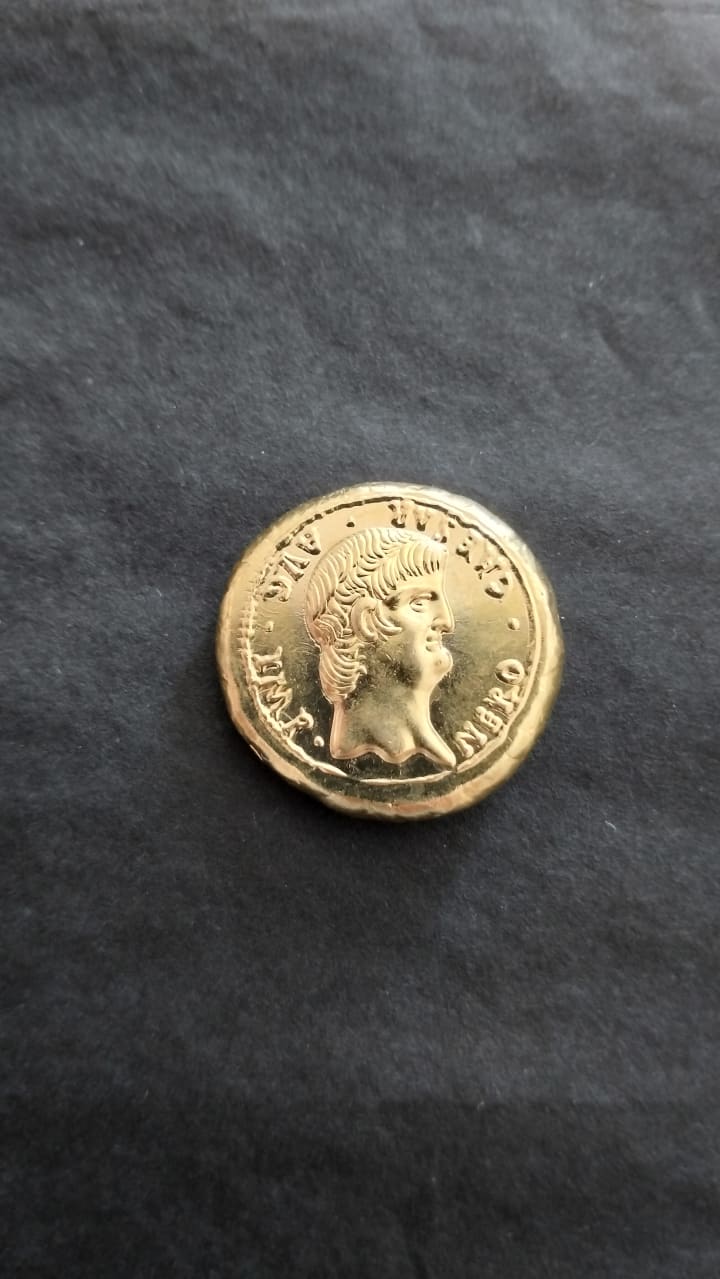
Nero's double denarius is a rare and valuable Roman coin minted in 64 AD. AD during the reign of Emperor Nero. This particular coin was unique in that it was double the size of the regular Denarius coin. The coin has a portrait of Nero on one side and the god Jupiter on the other. The design of the coin was meant to represent the emperor's power and authority, as well as his close relationship with the gods.
Despite its historical importance, very few examples of Nero's double denarius exist today. This rarity made the coin highly sought after by collectors and fetched high prices at auction. In 2008, one of these coins sold for over $250,000, making it one of the most expensive Roman coins ever sold.
The rarity and value of the Nero double denarius can be attributed to a number of factors. One reason for its rarity is that it was only in circulation for a short period of time before being replaced by a new coin design. Additionally, many of these coins were likely melted down and re-struck into new coins, further reducing the number of surviving examples.
Another factor that contributes to the value of Nero's double denarius is its historical significance. The coin was struck during a turbulent period in Roman history, just a few years before the Great Fire of Rome and the persecution of Christians. As a result, the coin provides valuable insight into the political and cultural climate of ancient Rome.
In conclusion,
the Nero Double Denarius is a rare and valuable Roman coin that provides a unique insight into the history and culture of ancient Rome. Its rarity, historical significance and unique design made it highly sought after by collectors and contributed to its high value at auction.
Antoninian by Probus
The Antoninian of Probus is a rare and historically significant Roman coin minted during the reign of Emperor Probus from 276 to 282 AD. Coinage was first introduced in 274 AD as a reform of the existing Roman coinage system. The Antoninian was made of silver and was twice the value of the previous silver coin, the denarius.
Antoninian of Probus' design featured a portrait of the emperor on one side and a variety of symbols and images on the other. These symbols often represent military victories or certain gods and goddesses. The coin is also inscribed with the Latin phrase 'ORIENS AVG', which translates to 'Emperor's Rising Sun'.
Antoninian of Probus is particularly important because of his connection with the emperor's military campaigns. Probus was known for his military prowess and his campaigns against various barbarian tribes were largely successful. The images and symbols on the coin are believed to represent these victories and illustrate the importance of military power in Roman society.
Today the Antoninian of Probus is highly sought after by collectors and historians alike.Its rarity and historical significance make it a valuable part of Roman history. In recent years, specimens of the coin have sold for tens of thousands of dollars at auction.
In conclusion, the Antoninian of Probus is a rare and historically significant Roman coin that played an important role in the reform of the Roman coinage system. Its association with the emperor's military campaigns and its unique design make it highly sought after by collectors and historians.
Why are these coins so rare and expensive?
There are several reasons why some Roman coins are incredibly rare and expensive.
First, many Roman coins were minted using precious metals such as gold and silver, making them valuable even in antiquity. Over time, these coins were often remelted and re-struck into new coins, reducing the number of surviving examples. In addition, some coins were lost or buried, further reducing the number of surviving examples.
Second, the rarity of a particular coin can also be attributed to the period in which it was minted. For example, coins from particularly tumultuous periods in Roman history, such as the reign of Emperor Nero or during the Roman Civil Wars, are perhaps rarer due to the chaos and destruction that occurred during these times.
Third, the design and historical significance of a coin can also contribute to its rarity and value. Coins that have particularly unique or intricate designs, or those that are associated with important historical events or figures, are often highly sought after by collectors and historians.
Finally, the condition of a particular coin can also have a significant impact on its value. Coins that are well preserved and in excellent condition are usually more valuable than those that are badly worn or damaged.
In general, the rarity and value of Roman coins can be attributed to a variety of factors, including the materials used to mint them, the period in which they were minted, their historical significance, and their condition. The combination of these factors, along with demand from collectors and historians, can result in prices that are often exorbitant.
Conclusion
In conclusion, Roman coins provide a fascinating insight into the history and culture of one of the world's greatest empires. From the early days of the Republic to the height of the Empire, Roman coins were used as a medium of exchange and also as a way to celebrate military victories and other important events.
Today, Roman coins are highly sought after by collectors and historians alike, both for their intrinsic value and for the historical insights they provide. The rarity and uniqueness of many of these coins makes them particularly valuable, with some examples fetching tens or even hundreds of thousands of dollars at auction.
Whether you're a collector, historian, or just someone interested in the fascinating history of the Roman Empire, studying Roman coins is a rewarding and endlessly fascinating pursuit. By examining the designs, symbols, and inscriptions on these ancient coins, we can gain a deeper understanding of the people and events that shaped one of the most influential empires in world history.
Frequently Asked Questions
What is the most expensive Roman coin ever sold?
A: The most expensive Roman coin ever sold at auction is the Octavian Aureus, which was minted in 42 BC and sold for $10 million in 2021.
Are all Roman coins rare and expensive?
A: No, not all Roman coins are rare and expensive. Many common types of coins can be found at relatively affordable prices, while others are rarer and more valuable.
Can I find Roman coins myself with a metal detector?
A: It is possible to find Roman coins through metal detecting, but it is important to do so legally and with the appropriate permits. It is also important to be aware of the potential for damage to archaeological sites and to report any significant finds to the appropriate authorities.
How can I tell if a Roman coin is authentic?
A: Authenticity can be determined by examining the weight, metal composition and design of the coin. It is advisable to consult a reputable expert or dealer to ensure the authenticity of a Roman coin.
What can we learn from Roman coins?
A: Roman coins provide valuable insight into the history, culture and politics of the Roman Empire. They can tell us about the achievements and propaganda of certain emperors, the military conquests of Rome, and the economic and social history of the empire.
About the Creator
Stefan Chardakliev
Stefan Chardakliev is an emerging writer and passionate historian with a deep fascination for Ancient Rome and numismatics.
Keep reading
More stories from Stefan Chardakliev and writers in History and other communities.
The Iconography of Roman Imperial Coins
Roman imperial coins are an essential source of information for understanding the history and culture of the Roman Empire. These coins, which were issued during the Roman imperial period (27 BC–AD 476), often featured intricate and detailed iconography that depicted various aspects of Roman society and culture. In this article, we will discuss the iconography of Roman imperial coins, its symbolism, and its significance.
By Stefan Chardakliev3 years ago in History
The Year 1979 in Review: Fun Facts, Trivia, and Historic Highlights
This quick read is a collection of fun facts, trivia, and historic events from the year 1979. Discover the year’s top news stories, most influential people, sports facts, the cost of living, erratic weather patterns, entertainment trivia, and much more.
By Gregory DeVictor3 days ago in History


Comments
There are no comments for this story
Be the first to respond and start the conversation.