
Top 10 writer in the world
Voices That Shaped Literature and Inspired Generations
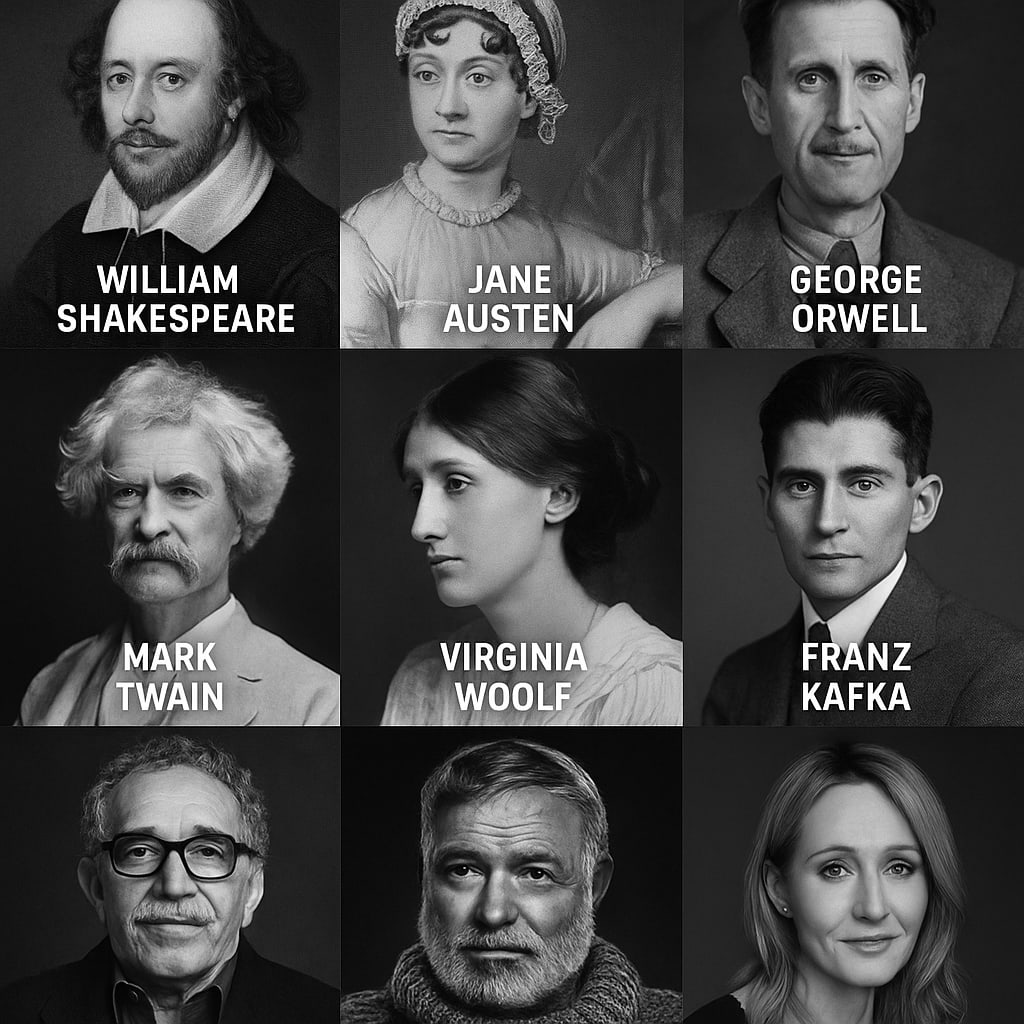
1. William Shakespeare
Often called the greatest playwright of all time, William Shakespeare’s works have profoundly influenced English literature and drama. Born in 1564 in England, he authored 39 plays, 154 sonnets, and numerous poems. His masterpieces include Hamlet, Macbeth, Romeo and Juliet, and Othello. Shakespeare’s themes explore human nature, love, power, jealousy, and ambition, resonating across centuries. His inventive use of language and complex characters make his work timeless. Shakespeare’s legacy endures in theater, literature, and everyday language, with countless adaptations worldwide, affirming his title as the Bard of Avon.
2. Leo Tolstoy
Leo Tolstoy, a Russian novelist born in 1828, is renowned for epic novels like War and Peace and Anna Karenina. His works explore complex moral and philosophical questions, reflecting on society, spirituality, and human suffering. Tolstoy’s writing combines detailed realism with profound psychological insight. Besides literature, he was a social reformer and advocate for nonviolence and simplicity. His influence extends beyond Russia, inspiring authors and thinkers globally. Tolstoy remains a towering figure in world literature, celebrated for his masterful storytelling and deep reflections on the human condition.
3. Jane Austen
Jane Austen, an English novelist born in 1775, is famous for her sharp social commentary and exploration of women’s lives and relationships in early 19th-century England. Her major novels include Pride and Prejudice, Sense and Sensibility, and Emma. Austen’s wit, irony, and keen observations of class and marriage continue to captivate readers. Her characters are relatable and her stories timeless, emphasizing love, morality, and societal expectations. Austen’s influence on literature and popular culture is immense, with numerous adaptations of her work in films, television, and theater.
4. Charles Dickens
Charles Dickens, born in 1812, is one of the most celebrated English novelists, known for vivid characters and social critique. His works like Oliver Twist, Great Expectations, and A Christmas Carol highlight Victorian England’s poverty and injustice. Dickens’s storytelling combines humor, drama, and compassion, creating memorable portraits of society’s marginalized. His novels helped raise awareness about social reform and remain beloved worldwide. Dickens’s ability to blend entertainment with moral messages cements his place as a literary giant.
5. Gabriel García Márquez
Gabriel García Márquez, a Colombian novelist born in 1927, is best known for pioneering magical realism. His masterpiece One Hundred Years of Solitude blends fantasy and reality to depict Latin American culture and history. García Márquez’s lyrical prose and rich storytelling explore themes of love, solitude, and political turmoil. Awarded the Nobel Prize in Literature in 1982, his works have had a profound impact on world literature, inspiring generations of writers to blend myth and reality in their narratives.
6. Mark Twain
Mark Twain, the pen name of Samuel Clemens, was an American writer born in 1835. Known for his wit and humor, Twain’s works like The Adventures of Tom Sawyer and Adventures of Huckleberry Finn critique social norms and racial issues in 19th-century America. His storytelling style, marked by colloquial speech and sharp satire, helped define American literature. Twain’s themes of freedom, friendship, and moral growth continue to resonate. He remains a beloved figure whose works provide insight into American culture and society.
7. Virginia Woolf
Virginia Woolf, a central figure in the modernist literary movement, was born in 1882 in England. Her novels, including Mrs. Dalloway and To the Lighthouse, experiment with stream of consciousness and explore the inner lives of characters, especially women. Woolf’s works challenge traditional narrative forms and address themes of identity, time, and mental health. She was also an influential essayist and feminist thinker. Woolf’s pioneering style and exploration of psychological depth have had lasting effects on literature and feminist theory.
8. Ernest Hemingway
Ernest Hemingway, an American novelist born in 1899, is known for his concise, direct prose style and adventurous life. His works like The Old Man and the Sea, A Farewell to Arms, and For Whom the Bell Tolls explore themes of courage, loss, and human endurance. Hemingway’s “iceberg theory” of writing—where much is left unsaid—revolutionized narrative style. Awarded the Nobel Prize in 1954, his influence extends beyond literature to journalism and popular culture, embodying the rugged, stoic American spirit.
9. Fyodor Dostoevsky
Fyodor Dostoevsky, a Russian novelist born in 1821, is renowned for his profound psychological and philosophical explorations. His masterpieces like Crime and Punishment, The Brothers Karamazov, and The Idiot delve into themes of morality, faith, free will, and suffering. Dostoevsky’s complex characters struggle with existential dilemmas, reflecting deep insight into human nature. His work significantly influenced literature, psychology, and theology, making him one of the greatest thinkers and writers in history.
10. J.K. Rowling
J.K. Rowling, a British author born in 1965, gained worldwide fame with her Harry Potter series. These seven novels follow a young wizard’s journey to defeat dark forces, blending fantasy, friendship, and coming-of-age themes. Rowling’s storytelling captivated readers of all ages, creating one of the best-selling book series ever. Her work reinvigorated interest in reading and fantasy literature, spawning films, merchandise, and theme parks. Rowling’s impact on popular culture and literature is profound, inspiring millions globally.
About the Creator
Keep reading
More stories from Anwar Jamil and writers in History and other communities.
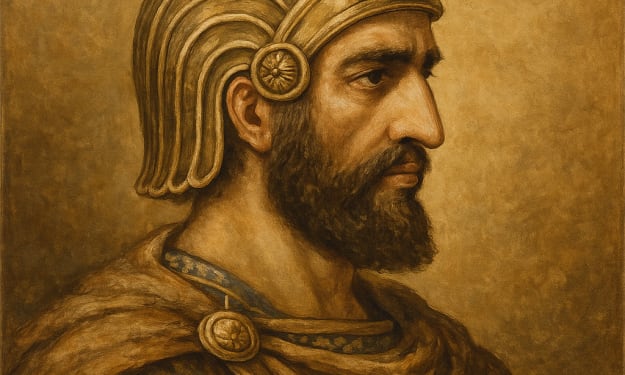
Cyrus the Great: The Benevolent Conqueror of the Ancient World
Long before Alexander the Great crossed into Asia or Rome rose from its hills, there lived a king whose vision and leadership laid the foundation for one of the greatest empires the ancient world had ever seen. Cyrus the Great, born around 600 BCE, was the founder of the Achaemenid Empire, which eventually spanned three continents. But what truly set Cyrus apart from other conquerors was not just the size of his empire, but the wisdom, justice, and tolerance with which he ruled. He was not merely a conqueror, but a statesman, and his legacy continues to echo in history as a model of enlightened leadership.
By Anwar Jamil8 months ago in History
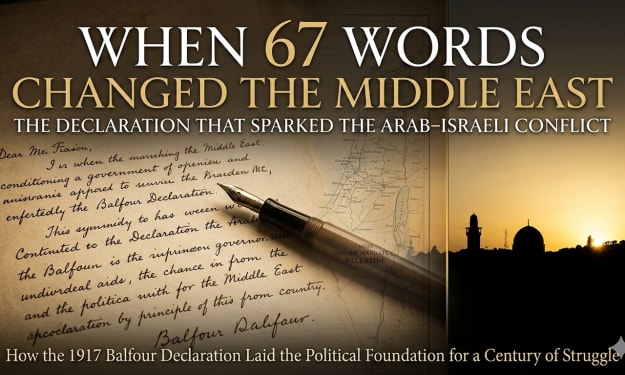
When 67 Words Changed the Middle East: The Declaration That Sparked the Arab–Israeli Conflict
In the long and turbulent history of the Middle East, few political documents have had as profound and lasting an impact as the Balfour Declaration. Written in just 67 words in 1917, this brief letter from British Foreign Secretary Arthur Balfour to Lord Rothschild would go on to shape the destiny of Palestine and lay the foundation for what became the Arab–Israeli conflict. A century later, the consequences of those carefully crafted words continue to influence geopolitics, identity, and regional stability.
By Irshad Abbasi 3 days ago in History
Who is your "Person"?
It's important to recognize that you cannot go through life as easily on your own. My name is Elizabeth and I'm a survivor of child abuse and horrific trauma. Healing from trauma is not a quick fix and recognizing that it will take time, is part of the struggle.
By Elizabeth Woods4 days ago in Psyche


Comments
There are no comments for this story
Be the first to respond and start the conversation.