
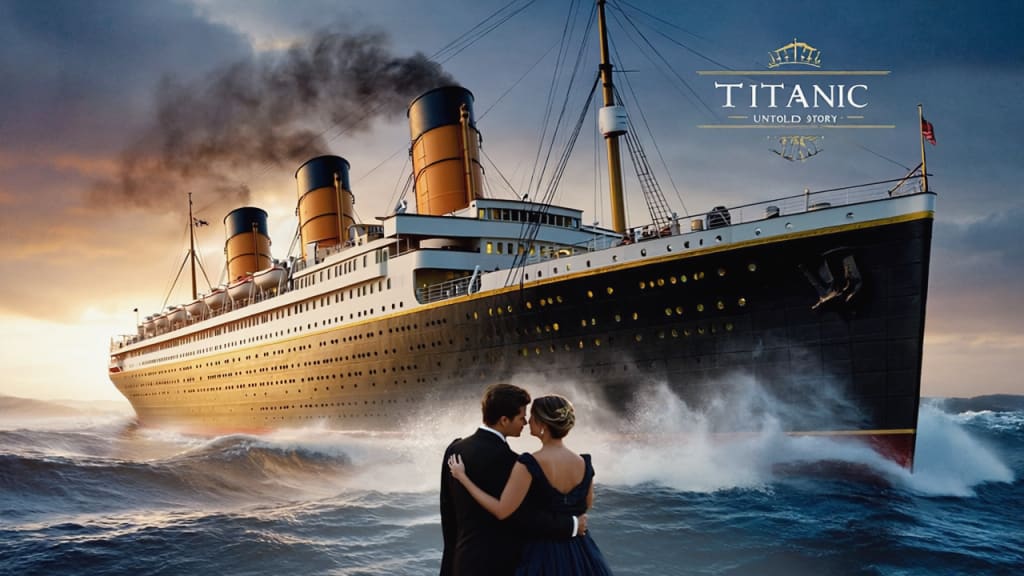
Titanic Movie Summary
Introduction
Titanic (1997), directed by James Cameron, is an epic romantic disaster film that intertwines a fictional love story with the historical tragedy of the RMS Titanic’s sinking in 1912. Combining breathtaking visuals, emotional depth, and historical context, the film became a cultural phenomenon, earning critical acclaim and 11 Academy Awards. This summary explores the plot, characters, themes, and impact of the film, which remains a cinematic milestone.
Plot Overview
The story unfolds through a framing device set in 1996, where treasure hunter Brock Lovett (Bill Paxton) searches the Titanic wreck for a valuable diamond, the Heart of the Ocean. He encounters Rose Dawson Calvert (Gloria Stuart), an elderly survivor, who recounts her experience aboard the ship as a 17-year-old in 1912, played by Kate Winslet.
In 1912, young Rose DeWitt Bukater, a first-class passenger, boards the Titanic with her controlling fiancé, Cal Hockley (Billy Zane), and her mother, Ruth (Frances Fisher). Feeling trapped by her engagement and societal expectations, Rose is despondent. Meanwhile, Jack Dawson (Leonardo DiCaprio), a free-spirited artist from the lower class, wins a third-class ticket in a poker game. Their paths cross when Jack saves Rose from a suicide attempt on the ship’s stern, sparking a forbidden romance.
As Jack and Rose grow closer, they share moments of joy and rebellion against class constraints. Jack introduces Rose to the lively third-class world, while she shows him her vulnerability and desire for freedom. Their romance is tested by Cal’s jealousy and Ruth’s disapproval, culminating in Cal framing Jack for theft. Despite these obstacles, their bond deepens, symbolized by iconic scenes like the “I’m flying” moment at the ship’s bow.
The narrative shifts as the Titanic strikes an iceberg on April 14, 1912. The ship’s inadequate lifeboats and the crew’s mismanagement exacerbate the disaster. Jack and Rose fight to survive as the ship floods, facing locked gates, class-based prioritization, and Cal’s vindictive pursuit. In a harrowing sequence, they navigate the sinking vessel, with Rose ultimately choosing Jack over her privileged life. After the ship breaks apart and sinks, they cling to debris in the freezing Atlantic. Jack ensures Rose’s survival by helping her onto a piece of wreckage, but he succumbs to the cold, leaving her devastated.
Rose is rescued by a lifeboat and, upon reaching the Carpathia, hides her identity as Rose Dawson, adopting Jack’s surname. Back in 1996, she drops the Heart of the Ocean into the sea, symbolizing her release from the past. In a dreamlike epilogue, Rose reunites with Jack on the Titanic’s grand staircase, suggesting an eternal connection.
Characters
Rose DeWitt Bukater: A young woman stifled by her aristocratic life, whose romance with Jack awakens her courage and independence.
Jack Dawson: A charismatic, optimistic artist who embodies freedom and inspires Rose to break free from societal constraints.
Cal Hockley: Rose’s arrogant fiancé, whose entitlement and cruelty highlight the class divide.
Supporting Characters: Include Ruth, who prioritizes wealth over Rose’s happiness; Molly Brown (Kathy Bates), a compassionate nouveau riche passenger; and Captain Smith (Bernard Hill), whose decisions contribute to the tragedy.
Themes
Titanic explores themes of love, class disparity, and human hubris. The romance between Jack and Rose transcends social barriers, emphasizing love’s power to defy convention. The film critiques the rigid class system of the Edwardian era, as seen in the preferential treatment of first-class passengers during the evacuation. The Titanic itself symbolizes human arrogance, with its “unsinkable” moniker undone by nature’s power. Survival and sacrifice are central, as characters face moral dilemmas in the face of disaster.
Cinematic Elements
Cameron’s direction blends historical accuracy with cinematic spectacle. The film’s production design meticulously recreates the Titanic’s opulence, from the grand staircase to third-class cabins. The sinking sequence, achieved through practical effects and early CGI, remains a technical marvel. Celine Dion’s “My Heart Will Go On” enhances the emotional resonance, becoming synonymous with the film. The score by James Horner complements the sweeping narrative, balancing romance and tragedy.
Historical Context
The film incorporates real events and figures, such as Margaret “Molly” Brown and the iceberg collision, while taking creative liberties for dramatic effect. It highlights the Titanic’s insufficient lifeboats and the class-based survival rates, reflecting historical accounts. Cameron’s attention to detail, informed by research and wreck dives, grounds the fictional story in reality.
Impact and Legacy
Titanic was a box-office juggernaut, grossing over $2 billion worldwide and holding the record as the highest-grossing film until Avatar (2009). Its cultural impact endures, with iconic
About the Creator
From Hürrem Sultan to Kösem Sultan: The Royal Concubines Who Ruled the Ottoman Empire
In the history of the Ottoman Empire, the imperial harem is often imagined as a mysterious and secluded world filled with luxury and intrigue. Yet behind the walls of the palace lived women who were far more than companions to the sultans. Some of them rose from slavery to become the most powerful figures in the empire, shaping politics, diplomacy, and the future of the throne itself. Among the most famous of these women were Hürrem Sultan and Kösem Sultan, whose influence defined an era sometimes called the “Sultanate of Women.”
By Irshad Abbasi about 23 hours ago in History



Comments
There are no comments for this story
Be the first to respond and start the conversation.