
The World’s Largest Pyramid Site Isn’t in Egypt and It’s Twice the Size.
World Largest Pyramid

The World’s Largest Pyramid Site Isn’t in Egypt and It’s Twice the Size.
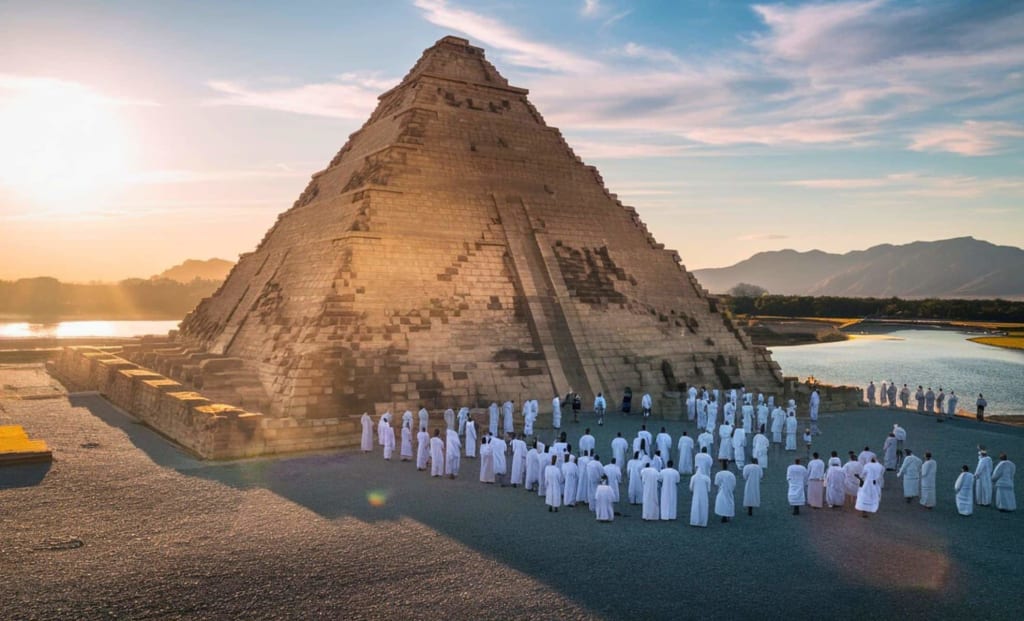
When people think of pyramids their minds often jump to Egypt’s grand structures such as the Great Pyramid of Giza or the towering monuments of the pharaohs. However what many don’t realize is that the world's largest collection of pyramids isn’t in Egypt at all. Instead it lies hidden in the vast deserts of Sudan. The ancient Kingdom of Kush a powerful civilization that once rivaled Egypt built more than twice as many pyramids as their northern neighbors. Yet despite their historical significance these pyramids remain relatively unknown to the world.
The Lost Kingdom of Kush
The Kingdom of Kush centered in modern day Sudan flourished for over a thousand years from around 1070 BCE to 350 CE. It was a powerful civilization with deep cultural economic and political ties to Egypt. At times the Kushites even ruled over Egypt forming the 25th Dynasty of pharaohs known as the Black Pharaohs. Despite their influence the Kushites developed their own distinct identity and their architectural achievements including their pyramids stand as a testament to their greatness. Unlike Egyptian pyramids which are massive and widely spaced the pyramids of Kush are smaller steeper and more numerous. Over 200 pyramids have been discovered in Sudan primarily in three major sites Meroë Nuri and El Kurru. These structures were used as royal tombs for Kushite kings queens and high ranking officials reflecting the civilization’s beliefs in the afterlife and its reverence for its rulers.
Meroë: The Largest Pyramid Field
The most famous of Sudan’s pyramid sites is Meroë which served as the capital of the Kingdom of Kush from around 300 BCE to 350 CE. Located approximately 150 miles north of Sudan’s capital Khartoum Meroë is home to over 50 pyramids clustered in a relatively small area. These pyramids are made of sandstone and brick and while they are much smaller than those in Giza their sheer number makes them extraordinary.
Meroë was a thriving trade hub connecting Africa with Egypt and the Mediterranean world. The Kushites controlled vital trade routes, exporting gold ivory ebony and exotic animals. This wealth enabled them to construct the impressive pyramids that still stand today. The Meroitic pyramids were influenced by Egyptian styles but had unique features, such as narrow bases sharp angles and decorative elements that showcased a blend of African and Egyptian artistry.
Nuri and El-Kurru Burial Grounds of Kushite Kings
Another significant pyramid site in Sudan is Nuri, where many of the Kushite kings including the great Pharaoh Taharqa were buried. Taharqa was one of the most powerful rulers of the 25th Dynasty of Egypt and his pyramid at Nuri is one of the largest in Sudan. The pyramids at Nuri differ from those at Meroë because they are older and have suffered more damage over time yet they still hold immense historical importance. El Kurru is another ancient Kushite burial site dating back to the early days of the kingdom. Some of the earliest Kushite rulers were buried here including King Piye the founder of the 25th Dynasty in Egypt. The tombs at El Kurru contain intricate wall paintings and hieroglyphic inscriptions revealing the spiritual and cultural beliefs of the Kushites.
The Mystery and Legacy of Sudan’s Pyramids
Despite their grandeur Sudan’s pyramids have remained relatively unknown to the outside world for centuries. Unlike Egypt’s pyramids which have been extensively studied restored and promoted as major tourist attractions the pyramids of Sudan have largely been neglected. Political instability economic challenges and a lack of resources have made it difficult for Sudan to preserve these historical treasures. Many of these pyramids have been damaged over time some by natural erosion others by human activity. In the 19th century European treasure hunters particularly Italian explorer Giuseppe Ferlini looted and destroyed several Kushite pyramids in search of gold. The destruction left many pyramids in ruins further contributing to their obscurity in global history. However efforts are now being made to raise awareness about Sudan’s pyramids. Archaeologists and historians are working to document and restore these ancient structures while Sudanese authorities are seeking to promote them as a major cultural and tourism attraction. Organizations like UNESCO have recognized the Meroë pyramids as a World Heritage Site emphasizing their importance to human history.
Why the World Should Know About Sudan’s Pyramids
The story of the Kushite pyramids challenges the traditional narrative that Egypt was the only major African civilization to build such monumental structures. The Kingdom of Kush was a powerful empire with its own unique identity religious beliefs and architectural achievements. The fact that Sudan has more pyramids than Egypt is a fascinating revelation that deserves more recognition.
The Kushite pyramids also highlight the deep historical connections between different African civilizations. The exchange of culture trade and political influence between Kush and Egypt shaped the history of both regions. Understanding Sudan’s pyramids provides a fuller picture of Africa’s rich and diverse past.
Moreover preserving and promoting these sites can benefit Sudan economically. Tourism has the potential to bring much needed revenue to the country while fostering a sense of national pride in its historical heritage. With increased awareness Sudan’s pyramids could one day stand alongside Egypt’s as some of the world’s most celebrated ancient wonders.
While Egypt’s pyramids remain iconic symbols of human achievement Sudan’s pyramids tell an equally remarkable story that has long been overlooked. The Kingdom of Kush with its vast pyramid fields at Meroë Nuri and El Kurru built more pyramids than Egypt leaving behind a legacy that is only now beginning to gain the recognition it deserves. As historians and archaeologists continue to uncover the secrets of these forgotten pyramids the world is slowly beginning to acknowledge their significance. These towering monuments hidden in the sands of Sudan serve as a powerful reminder that Africa’s ancient civilizations were as grand and sophisticated as any in the world. With greater awareness and preservation efforts the Kushite pyramids may finally receive the global appreciation they rightfully deserve.
About the Creator
Adnan Rasheed
Author & Creator | Writing News , Science Fiction, and Worldwide Update| Digital Product Designer | Sharing life-changing strategies for success.
Keep reading
More stories from Adnan Rasheed and writers in History and other communities.
Researchers found the world’s oldest pyramid hidden in Indonesia
Researchers found the world’s oldest pyramid hidden in Indonesia Beneath the lush rolling hills of West Java Indonesia lies an archaeological enigma that challenges the very foundation of human history. Known as Gunung Padang meaning Mountain of Enlightenment in the local Sundanese language this ancient structure may be the oldest pyramid ever discovered. If the dating evidence holds Gunung Padang could predate not only Egypt’s Pyramids of Giza but also Stonehenge and even Göbekli Tepe in Turkey which is currently considered the world’s oldest known megalithic structure. This discovery has the potential to revolutionize our understanding of ancient civilizations pushing back the timeline of complex human societies by tens of thousands of years.
By Adnan Rasheed11 months ago in History
Rajendra Chola I and the Conquest of the Ganga: A Monumental Feat in Indian History
Known as the “Gangaikonda Chola” (the Chola who conquered the Ganga), Rajendra transformed a South Indian maritime empire into a pan-Indian power whose influence stretched from the Indian Ocean to the heart of the subcontinent. This campaign was not merely a military raid but a bold statement of imperial ambition, strategic brilliance, and cultural confidence.
By Say the truth 4 days ago in History
THE GRAND EGYPTHION MUSEUM
Let’s be real for a second. When folks hear "museum," they often think of dusty halls, dry information, and that odd quiet where you feel like you're misbehaving just for breathing. But the Grand Egyptian Museum isn't like that. I really don't think that's it. It's not accurate at all. This just seems wrong. This place is really nice. Egypt really shows us that it made history, and it keeps on doing amazing things.
By Beshoy Zayer2 days ago in History


Comments
There are no comments for this story
Be the first to respond and start the conversation.