
“The World in Color: How Shades Told Stories in Old Times”
From royal robes to humble clay, colors shaped status, mood, and culture before modern dyes.

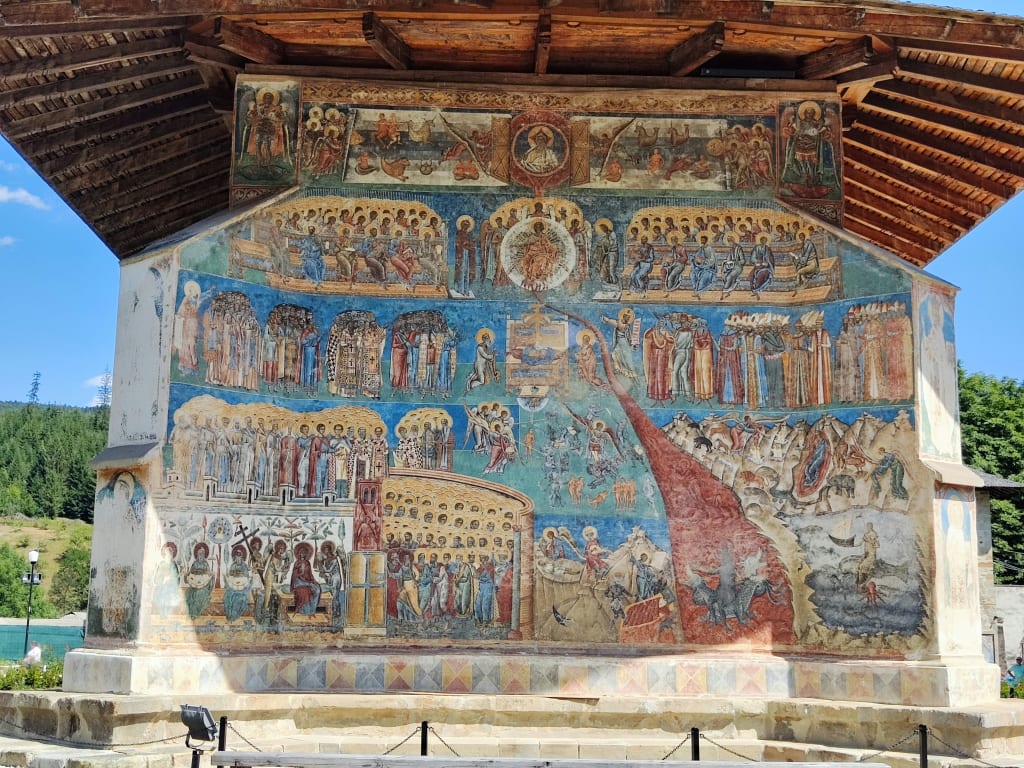
Imagine a world where colors weren’t just decoration — they were language. They spoke silently yet powerfully, conveying messages about status, identity, wealth, and spirituality. In old times, every shade carried meaning. People didn’t just wear clothes for comfort or fashion; they wore stories. A deep purple robe could mark royalty or immense wealth, while muted grays and browns signified humility or common labor. Colors were a social code, understood universally across communities.
The significance of color in the past was tied directly to scarcity and production methods. Before synthetic dyes, every pigment came from the natural world — plants, insects, and minerals. Some dyes were rare and incredibly expensive. For example, indigo blue was prized and traded like gold, while cochineal red, derived from tiny insects, was a symbol of wealth and influence. Other shades, like ochres, greens, or simple browns, were easy to obtain and often worn by farmers, artisans, and laborers. The act of wearing a color could communicate everything from wealth to occupation to religious devotion.
In homes and public spaces, colors carried meaning as well. Bright, vibrant patterns might indicate celebration, joy, or abundance, while darker, muted tones could signal mourning, austerity, or contemplation. Even architecture and interior decoration conveyed messages: Egyptian temples used gold and lapis lazuli to suggest divinity, while Chinese imperial palaces displayed yellow as a symbol of the emperor’s supreme authority. Travelers of the time could immediately assess a person’s social rank or occupation simply by observing their color choices — long before official uniforms or identity cards existed.
Beyond social status, colors were deeply symbolic. Religious communities often assigned sacred significance to certain shades. In Europe, monks wore brown or gray to reflect humility and detachment from worldly desires, while priests in Asia or Africa might wear specific colors tied to rituals, spiritual practices, or divine favor. Even in art, color choices told stories that words could not. Red in a battle scene conveyed intensity and violence, while soft greens and blues in a landscape evoked serenity and peace. Artists and scribes understood that color was more than aesthetic; it was communication.
Colors also defined community and identity. Entire villages, families, or professional guilds might favor specific shades to identify themselves. A family of weavers might be known for their signature red dye, while a local healer could be recognized by a distinct blue sash. These visual cues helped societies interact efficiently and peacefully. It was a universal language that transcended words, bridging communication gaps across regions and cultures.
Interestingly, the creation of colors was not simple. Natural pigments often required careful preparation. Some faded quickly in sunlight or washed out during cleaning, while others were stable and long-lasting. This practical reality shaped cultural associations: colors that endured became associated with permanence, prestige, or spiritual power, while fragile shades were often reserved for temporary ceremonies or special occasions. The challenge of creating certain pigments made them rare, which only increased their symbolic value.
Trade and exploration further expanded color usage and significance. When explorers traveled across continents, they introduced new dyes and pigments to faraway lands. The arrival of indigo, cochineal, and saffron in Europe, Asia, and Africa changed not only fashion but also social hierarchies and art traditions. Suddenly, certain colors that had been local or rare became highly prized international commodities. The color of one’s attire could signal connections to trade networks, wealth from foreign lands, or political influence.
Even today, echoes of these traditions remain. Ceremonial attire, religious vestments, wedding garments, and festival costumes often preserve color symbolism that originated centuries ago. In many cultures, red still represents celebration, yellow or gold conveys authority, and white signifies purity or mourning — meanings that trace back to the practical and symbolic uses of natural pigments. Colors in traditional crafts, food, and textiles continue to carry these hidden stories.
Moreover, colors in old times were often tied to emotion and psychological impact. Deep, vibrant hues could inspire awe, fear, or excitement, while gentle, muted shades could calm the mind or encourage reflection. Clothing, decor, and art were carefully selected to influence perception, mood, and behavior. In this sense, colors were early tools of communication psychology — subtle, pervasive, and profoundly effective.
Beyond the visual, colors also influenced creativity and innovation. The need to produce rare and lasting pigments drove experimentation, trade, and scientific inquiry. Early chemists, dyers, and artists explored plants, minerals, and insects, discovering new techniques that laid the foundation for modern chemistry and materials science. Color was not just cultural — it was technological, economic, and intellectual.
Considering all this, understanding colors in old times allows us to see history through a new lens. What seems decorative today often had profound social, religious, and economic significance. Every choice of shade reflected knowledge, resources, and values. When we admire an ancient painting, a traditional garment, or even a simple textile, we are witnessing centuries of human ingenuity, cultural expression, and symbolic communication.
In essence, colors were more than decoration — they were communication, identity, culture, and art intertwined. They shaped societies, influenced interactions, and enriched human experience long before photography, film, or synthetic dyes existed. Each hue had a story to tell, whether about wealth, spirituality, or community, and these stories continue to echo in modern culture.
Today, with synthetic dyes and limitless palettes, we often take color for granted. But reflecting on its history reminds us that every shade was once deliberate, meaningful, and powerful. Colors were tools of expression, markers of identity, and symbols of aspiration. They connected people across distances and generations, telling silent stories that we are still learning to read.
Next time you see a vibrant textile, a ceremonial outfit, or even a faded painting, pause and imagine the world it came from. Consider the labor, the resources, the social codes, and the emotions encoded in that color. In every hue lies a history — a human story told through pigment, ingenuity, and imagination. By understanding these shades, we gain insight into the people who came before us, their values, and the visual language that shaped their world.
Colors weren’t just decoration; they were history, culture, and human expression painted across time. Appreciating them allows us to see not just what we observe, but the centuries of meaning, skill, and creativity behind every shade
About the Creator
Manal
Storyteller,dreamer and lifelong learner,I am Manal.I have 3 year experience of artical writing.I explore ideas that challenge,inspire and spark conversation.Jion me on this journey of discovery.
Follow me on Pinterest @meenaikram918
Seven Dials
Introduction Seven Dials is a famous and historic area located in London, England. It is found near Covent Garden, one of the busiest and most popular parts of the city. Seven Dials is known for its unique road design, rich history, old buildings, shops, cafés, and lively atmosphere. Today, it is a popular place for tourists and local people who enjoy culture, shopping, and history.
By Farhan Sayed3 days ago in History
A secret staircase found beneath a 1,500-year-old French church
A subterranean staircase and burial strata dating back approximately 1,500 years were discovered during a project inside the Church of Saint Philibert in Dijon, France. The stairs were discovered by restoration workers inside the church when repairs were being made, and the excavation soon ensued.
By Francis Dami3 days ago in History
Wild Card Weekend Recap: What Happens Now?
I think I figured out why I love Wild Card Weekend so much. It's because it's the first playoff anything of the calendar year. The NFL season starts in the fall, and once upon a time, the champion was crowned either on or slightly before New Year's. The evolution of the NFL schedule has resulted in the playoffs starting just into the New Year, and currently, the final week of the season falls on the first weekend of the New Year, with Wild Card Weekend coming a week after that. So yes, chronologically, the NFL's Wild Card Weekend serves as the first playoff anything of the calendar year.
By Clyde E. Dawkins6 days ago in Unbalanced




Comments
There are no comments for this story
Be the first to respond and start the conversation.