
The Tragic Tale of Billie Bob Harrell, Jr.: When Winning the Lottery Turns into a Nightmare
Winning and losing


In June 1997, Billie Bob Harrell, Jr., an ordinary man from Texas, found his life dramatically altered by an extraordinary stroke of luck. Harrell won the $31 million Texas Lotto jackpot, an amount that promised to lift him and his family out of financial worries forever. Like many who dream of such a windfall, he anticipated a future filled with ease and joy. However, as the tragic events that followed would show, immense wealth can bring unforeseen burdens and sorrows. Harrell’s story is a cautionary tale of how winning the lottery can sometimes lead to a life unraveling rather than flourishing.
The Initial Joy and Generosity
When Harrell discovered he had won the lottery, the initial reaction was one of euphoria. The newfound wealth allowed him to quit his job at Home Depot, where he had worked tirelessly to support his family. He indulged in the luxuries that had previously been out of reach: a family trip to Hawaii, purchasing a new home, and buying new cars. Harrell’s generosity was also a notable part of his early days as a lottery winner. He donated generously to his church and various charitable causes, eager to share his good fortune with others.
However, this generosity, while well-intentioned, soon became a double-edged sword. As news of his win spread, Harrell found himself inundated with requests for financial help. Friends, distant relatives, and complete strangers reached out to him with tales of woe and need. Harrell, a kind-hearted man, found it difficult to say no, and the constant demands began to take a toll on his mental and emotional well-being.
The Downward Spiral
The unrelenting pressure from those seeking financial assistance was just one of the many challenges Harrell faced. Managing such a vast sum of money proved to be far more complicated than he had anticipated. Poor financial decisions and a lack of sound advice exacerbated his stress. The strain of sudden wealth started to erode the harmony in his personal life, leading to arguments and misunderstandings.
Harrell’s marriage, which had been stable before the lottery win, began to crumble under the weight of these new pressures. The couple faced disagreements over how to manage the money, and the constant requests for help added to the tension. In the face of these struggles, Harrell and his wife eventually separated, a blow that left him feeling isolated and increasingly despondent.
The Ultimate Tragedy
Despite his wealth, Harrell’s life spiraled further into despair. The isolation he felt grew, as did his sense of being overwhelmed by the responsibilities and pressures his winnings had brought. He confided in a financial adviser, expressing his deep unhappiness and frustration. Harrell poignantly remarked, “Winning the lottery is the worst thing that ever happened to me.” These words underscore the profound and often overlooked truth that money, especially when it comes in a sudden windfall, can magnify personal and interpersonal issues rather than solve them.
On May 22, 1999, just shy of two years after his big win, Harrell took his own life. His suicide was a tragic culmination of the immense stress and depression he had endured. The man who had once dreamed of a better life through financial freedom found himself trapped in a nightmare from which he saw no escape.
Lessons from Harrell’s Story
The story of Billie Bob Harrell, Jr. is a stark reminder of the potential pitfalls that can accompany sudden wealth. While winning the lottery is often seen as a dream come true, Harrell’s experience highlights the importance of preparedness and the psychological impact of such a dramatic change.
One crucial lesson is the need for proper financial planning and support. Sudden wealth requires more than just a good heart; it demands financial literacy and strategic planning. Harrell’s generous nature made him susceptible to manipulation and poor decision-making. Comprehensive financial advice and the establishment of boundaries are essential to manage both the money and the inevitable requests for help that come with it.
Another significant takeaway is the importance of mental health support. The psychological strain of sudden wealth can be profound, as evidenced by Harrell’s descent into depression. Access to mental health resources and the willingness to seek help can provide vital support during such transitions.
The Broader Implications
Harrell’s tragic end also sheds light on broader societal issues regarding wealth and happiness. It challenges the pervasive belief that money alone can bring lasting happiness and solve life’s problems. While financial stability is important, true well-being encompasses a balance of emotional, relational, and psychological health.
The pressures that come with managing a large sum of money can amplify existing issues and create new ones. Harrell’s story is a poignant example of how the pursuit of wealth, if not accompanied by proper support and planning, can lead to unexpected and devastating outcomes.
Conclusion
The tale of Billie Bob Harrell, Jr. is a powerful narrative about the unforeseen consequences of sudden wealth. It is a sobering reminder that money, while a useful tool, is not a panacea for life’s challenges. Harrell’s generosity and good intentions were overshadowed by the overwhelming demands and pressures he faced, ultimately leading to his tragic demise.
As society continues to chase the dream of financial success, Harrell’s story serves as a cautionary tale. It underscores the importance of financial literacy, mental health support, and the recognition that true happiness and well-being come from a balance of various aspects of life. His legacy, though marked by tragedy, provides valuable lessons for anyone aspiring to find contentment through financial means.
About the Creator
Keep reading
More stories from Deji Akomolafe and writers in History and other communities.
The Mysterious Disappearance of Louis Le Prince: The Father of Cinematography Lost to History
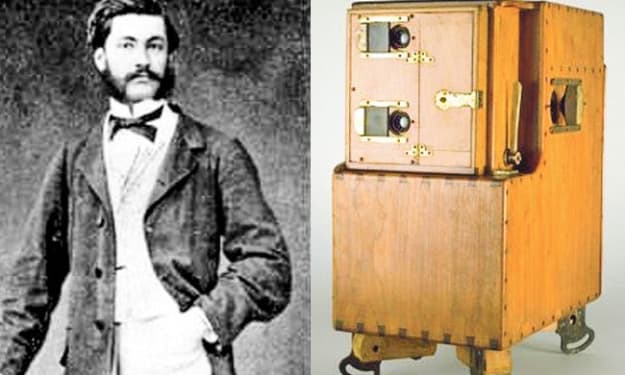
In the story of cinematic history, certain names loom large—Thomas Edison, the Lumière brothers, Georges Méliès. Yet, one name that arguably should stand at the forefront of this illustrious list is that of Louis Le Prince. A French artist and inventor, Le Prince is credited with creating the first motion-picture camera and shooting the first sequences of moving pictures on film. However, his contributions to the art and technology of cinema remain shrouded in mystery due to his inexplicable disappearance in September 1890. On the cusp of revealing his groundbreaking invention to the world, Le Prince vanished without a trace, leaving behind a legacy of unanswered questions and speculations.
By Deji Akomolafe2 years ago in History
3 Completely Innocent Decisions That Ended Very Badly
Most disasters don’t begin with villainous laughter or ominous music. They begin with someone making a perfectly reasonable decision. Sensible, even. The kind of choice you’d defend confidently if questioned later.
By Enoch Saginiabout 21 hours ago in History
Israel: A Land of Struggle, Faith, and Transformation
The land that is today Israel has been at the crossroads of civilizations for thousands of years. From the deserts of Negev to the fertile hills of Galilee, this land has witnessed the rise and fall of empires, the birth of religions, and the enduring hopes of peoples who called it home. In ancient times, it was known as Canaan, a region inhabited by diverse groups, each with their own gods, languages, and customs.
By The best writer 2 days ago in History


Comments
There are no comments for this story
Be the first to respond and start the conversation.