
The Timeless Charm of Penny Loafers: A Journey Through History
From Norwegian Roots to American Icon: The Journey of Penny Loafers


Introduction
In the ever-evolving world of fashion, few items boast the staying power and classic appeal of the penny loafer. This iconic shoe, known for its refined design and remarkable versatility, has graced the feet of style-conscious individuals for decades. Its journey from a humble design to a fashion staple reflects not only its enduring charm but also the evolution of modern fashion itself. Join us as we delve into the rich history of penny loafers, uncovering their origins, evolution, and continued relevance in today’s style landscape.
The Origins of Penny Loafers
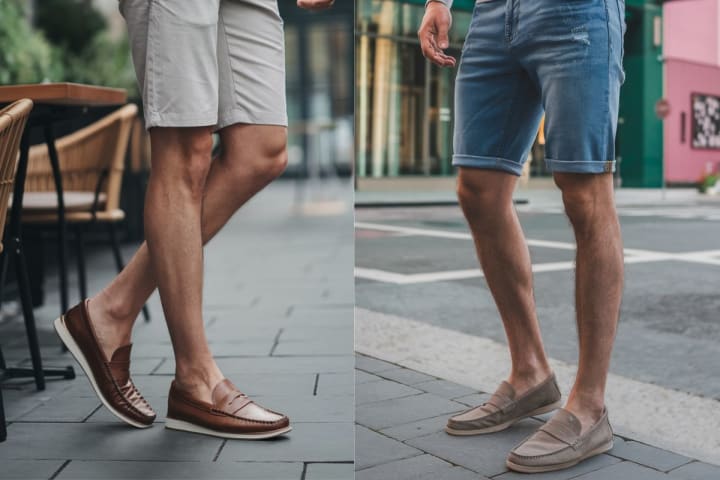
The story of the penny loafer begins in the rugged terrains of Norway. Inspired by traditional Norwegian moccasins, which were celebrated for their comfort and simplicity, the penny loafer’s design was adapted and popularized in the United States. In the 1930s, G.H. Bass & Co., an American footwear company, introduced the “Weejun” penny loafer to the American market. This design drew directly from the moccasin tradition, featuring a slip-on style with a leather strap across the vamp.
The distinctive feature of the penny loafer—the small slit in the strap—was initially a functional element. It was intended to hold a penny, offering a practical solution for carrying a small amount of money. This detail quickly became a hallmark of the penny loafer, symbolizing both utility and style. The penny loafer was not just a shoe; it was a reflection of practicality meeting elegance.
The Evolution of the Penny Loafer
The 1950s marked a significant turning point for penny loafers, as they became emblematic of the preppy style that defined the era. This decade saw the rise of collegiate fashion, with penny loafers becoming a staple of the Ivy League look. Paired with chinos, button-down shirts, and sweaters, these loafers epitomized a clean, polished aesthetic. The shoes were embraced by students and professionals alike, cementing their status as a symbol of refined taste and sophistication.
The 1960s brought a wave of change with the advent of the mod movement. During this time, penny loafers were adopted by a new generation seeking to break away from traditional styles. The sleek design of the loafers complemented the bold, youthful spirit of the era. Fashion-forward individuals experimented with different materials and finishes, transforming the penny loafer from a classic staple into a contemporary trend.
By the 1980s, penny loafers had firmly established themselves as a timeless classic. Their enduring appeal was due in part to their versatility; the loafers could seamlessly transition from formal settings to casual outings. Designers continued to innovate with new materials and embellishments, but the core design remained largely unchanged. This period marked the consolidation of the penny loafer’s status as an essential piece of footwear for both men and women.
Penny Loafers in Contemporary Fashion
In today’s fashion landscape, the penny loafer continues to be a beloved choice, appreciated for its blend of style and practicality. Modern iterations of the classic design feature a range of materials, from traditional leather and suede to more adventurous options like patent finishes and bold colors. This evolution reflects the shoe’s adaptability and its ability to remain relevant amidst changing fashion trends.
Contemporary designers have embraced the penny loafer’s versatility, offering variations that cater to diverse tastes. From minimalistic designs to those adorned with decorative elements like tassels or metal accents, there is a penny loafer to suit every style preference. This adaptability allows the shoe to be worn in a variety of settings, from professional environments to casual social events.
One of the key factors contributing to the penny loafer’s enduring popularity is its ability to seamlessly integrate with modern fashion. The shoe can be dressed up with tailored trousers and a blazer for a sophisticated look or paired with jeans and a casual shirt for a more laid-back vibe. Its ability to bridge the gap between formal and informal wear makes it a versatile addition to any wardrobe.
Cultural Impact and Legacy
The cultural significance of penny loafers extends beyond their practical use. They have been embraced by various subcultures and fashion movements, each adding their own unique twist to the classic design. The loafers have appeared in films, television shows, and music videos, further solidifying their place in popular culture.
For instance, the penny loafer has been a favorite among icons of style and sophistication, including figures like James Dean and Audrey Hepburn. Their association with timeless elegance and effortless style has helped the penny loafer maintain its status as a symbol of refined taste.
Conclusion
The history of penny loafers is a testament to their remarkable journey from a traditional moccasin-inspired design to a celebrated fashion staple. Their evolution reflects the broader trends in fashion, showcasing their ability to adapt while retaining their core charm. As we continue to embrace both classic and contemporary styles, the penny loafer stands as a reminder of the timeless elegance that can be found in even the simplest of designs. Whether dressed up or down, penny loafers remain a symbol of sophistication and enduring style, proving that true fashion classics never go out of style.
About the Creator
Jacob Roberts
Hi, I'm Jacob, a fashion enthusiast and writer passionate about style, trends, and self-expression. From footwear to sustainable fashion, I explore it all. Join me as I share insights, tips, and the latest in the fashion world!
Keep reading
More stories from Jacob Roberts and writers in History and other communities.
Why Are They Called Penny Loafers? A Look at the Iconic Shoe’s History
Penny loafers are a staple in the world of fashion, exuding a timeless appeal that transcends generations. Whether dressed up or down, these versatile shoes have become a go-to for both casual and semi-formal occasions. But beyond their sleek design and comfort, have you ever wondered why they are called "penny loafers"? The name carries a quirky and interesting backstory rooted in American culture, tradition, and even teenage trends from decades ago. Let’s explore the origins of this iconic shoe and why the name has stuck around.(count num of words of this blog post
By Jacob Robertsabout a year ago in History
Chinese Water Torture
Since the dawn of history, human beings have inflicted unimaginable suffering upon one another. Across centuries, people have devised increasingly elaborate methods of punishment and coercion, some brutally explicit, others deceptively subtle. While devices such as iron maidens, racks, whips, and wheels relied on visible physical agony, there existed a form of torment whose true power lay not in blood or broken bones, but in patience, repetition, and the slow erosion of the mind. This method came to be known as Chinese water torture.
By Pure child3 days ago in History
Saddam Hussein: Rise, Rule, and Fall
Saddam Hussein was born on April 28, 1937, in a small village near Tikrit, Iraq. His early life was marked by poverty, hardship, and a sense of abandonment. His father died before he was born, and his mother remarried soon after. Young Saddam grew up in a household dominated by strict relatives and was exposed to political discussions and nationalist sentiments from an early age. These formative years shaped his personality—ambitious, ruthless, and fiercely determined to rise above his modest beginnings.
By The best writer 3 days ago in History




Comments
There are no comments for this story
Be the first to respond and start the conversation.