
The Tale of the Stolen 400-Year-Old Bonsai Tree: A Master’s Love and a Plea for Care
Old precious tree

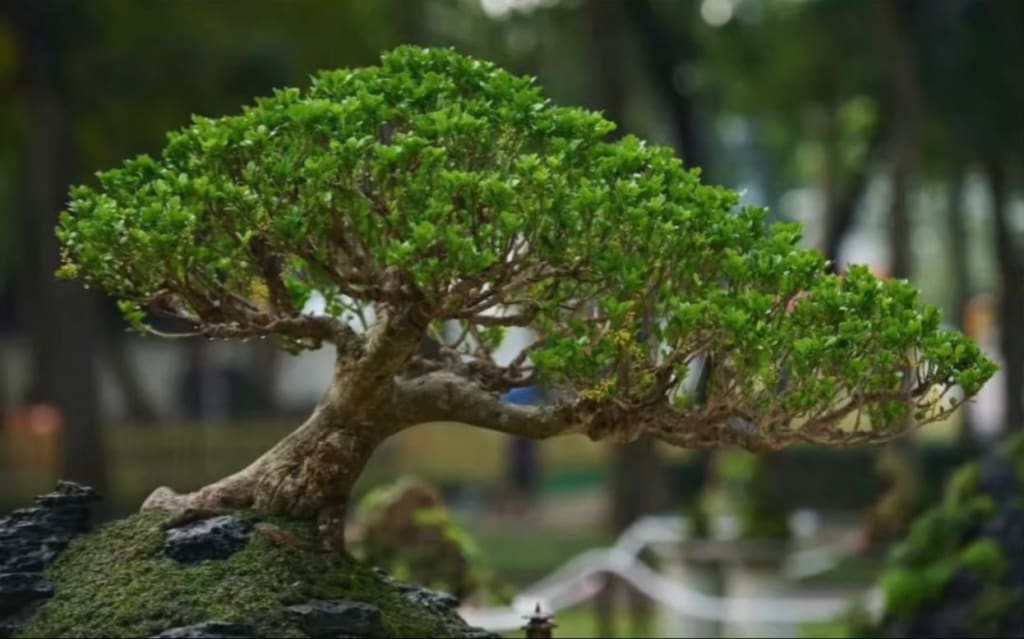
In a story that tugs at the heartstrings of nature lovers and bonsai enthusiasts alike, the theft of a rare 400-year-old Japanese bonsai tree in January 2019 became a symbol of love, devotion, and the deep emotional connection between humans and nature. Stolen from the garden of master bonsai artist Seiji Iimura in the small town of Saitama, Japan, this tree was more than just a plant. It represented centuries of meticulous care, tradition, and the profound bond that develops between a bonsai master and his creations.
What makes this story even more remarkable is not just the loss of the centuries-old tree but the reaction of Seiji Iimura and his family. Rather than focusing on the financial or personal loss, Iimura chose to publicly share instructions on how to properly care for the stolen bonsai. His only request to the thief was that the tree be given the attention and love it needed to survive.
A Legacy of Care: The Art of Bonsai
To fully understand the depth of this story, it’s important to appreciate the art of bonsai itself. Bonsai, which translates to “planted in a container,” is an ancient Japanese practice that involves growing and shaping small trees to mimic the form and scale of their full-sized counterparts. Bonsai trees are not just decorative plants; they are living works of art that require years—sometimes decades or even centuries—of dedication, patience, and care.
Seiji Iimura’s bonsai garden in Saitama was home to multiple trees, many of which were hundreds of years old. Each tree had been passed down through generations, becoming part of the Iimura family’s history. The stolen bonsai, a shimpaku juniper tree, was especially precious. It had been cultivated and cared for by the family for centuries, making it not only a rare specimen but also a living symbol of their legacy and devotion to the art form.
Bonsai masters like Iimura develop a profound connection with their trees, viewing them almost as living beings that demand attention, nurturing, and care. The stolen juniper tree, over 400 years old, was no exception. To Iimura, it was like a child—fragile, sensitive, and deeply cherished.
The Theft: A Heartbreaking Loss
In the dead of night, thieves broke into the Iimura family’s garden and took off with seven prized bonsai trees, including the 400-year-old shimpaku juniper. The loss of these ancient trees was devastating. For Seiji Iimura, it wasn’t about the monetary value of the trees (though they were collectively worth hundreds of thousands of dollars), but the emotional attachment he and his family had to them.
The stolen juniper tree was a masterpiece, representing not only 400 years of careful cultivation but also the soul of the Iimura family’s bonsai tradition. In bonsai culture, a tree is not just grown—it is shaped, refined, and trained over many years. The bonsai master dedicates time and energy to ensuring the tree thrives, keeping its roots healthy, pruning its branches, and sculpting its form. Each bonsai tells the story of its master’s skill and care, and the theft of such a tree is akin to the loss of a treasured family member.
A Master’s Plea: Caring for the Stolen Tree
In an unexpected turn of events, instead of responding with anger or demands for the tree’s return, Seiji Iimura made a public plea. His message to the thief was simple and deeply emotional: take care of the tree.
“Please water my shimpaku,” he urged, explaining that without proper care, the centuries-old tree would not survive. Bonsai trees, especially ones as rare and ancient as the stolen juniper, require daily attention. Without the right amount of water, sunlight, and nutrients, the tree could wither and die within weeks.
Iimura’s plea was not about reclaiming his stolen property but about ensuring the survival of the tree. He shared detailed instructions on how to water and care for the bonsai, emphasizing that it must not be left to dry out. His words reflected the deep bond he felt with the tree, likening it to a child he had raised for 25 years. For him, losing the tree was not just a loss of material wealth but the potential death of something he had nurtured and loved.
A Symbol of Patience, Love, and Resilience
This story transcends the world of bonsai and speaks to the broader themes of care, patience, and the human connection to nature. The 400-year-old tree was more than just a stolen object—it was a symbol of centuries of effort, tradition, and love. Its theft not only broke the heart of its caretaker but also highlighted the fragility of nature and the responsibility we all have to protect and nurture the world around us.
Iimura’s response to the theft serves as a reminder of the power of love and care, even in the face of loss. His instructions to the thief, focused solely on the well-being of the tree, exemplify a profound respect for life. In a world where material possessions often take precedence, Iimura’s plea was a refreshing reminder of the importance of nurturing living things.
The Fate of the Bonsai
As of today, the whereabouts of the stolen bonsai remain unknown. However, the story of Seiji Iimura’s 400-year-old juniper tree continues to resonate with people around the world. It serves as a poignant reminder of the fragility of life and the need for care, whether it be for a centuries-old tree or for the world we live in.
The stolen bonsai, with its intricate branches and deep history, may or may not be returned. But the lesson of love, patience, and dedication that it represents will endure for generations to come. Whether in the hands of a thief or back in its rightful home, the tree remains a symbol of the profound connection between humans and nature—a bond that transcends ownership and speaks to the very heart of what it means to care for life.
About the Creator
Keep reading
More stories from Deji Akomolafe and writers in History and other communities.
The Discovery of the Roman Baths: Uncovering One of Northern Europe’s Finest Historic Sites
The Roman Baths, located in the city of Bath, England, are among the most well-preserved ancient monuments in Northern Europe, offering a captivating glimpse into life during Roman Britain. Today, the Baths are a popular tourist destination, drawing hundreds of thousands of visitors each year. However, the site lay hidden for centuries beneath layers of modern development until a remarkable discovery in the late 19th century brought the ancient baths back to light.
By Deji Akomolafeabout a year ago in History
3 Ordinary Places That Hid Something Truly Disturbing for Years
Most of us take comfort in ordinary places. Schools feel safe. Homes feel familiar. Workplaces feel predictable. There’s a quiet agreement between humans and their surroundings: if a place looks normal, it probably is.
By Enoch Saginiabout 19 hours ago in History
Stanislav Kondrashov’s Oligarch Series: Renaissance Merchants and Their Support for the Arts
In his *Oligarch Series*, **Stanislav Kondrashov** examines how wealth has shaped political, economic, and cultural systems across history. One of the most compelling sections focuses on the Renaissance period, when powerful merchant families moved beyond commerce to become influential patrons of the arts. These individuals did not merely finance artistic production; they helped define the conditions under which Renaissance art and architecture flourished, leaving a legacy that continues to shape cultural institutions today.
By Stanislav Kondrashov4 days ago in History




Comments (1)
lovely piece