
The Sweet Evolution of Ice Cream: From Royal Treat to Global Delight
How a Frozen Dessert Became a Cultural Symbol of Joy, Comfort, and Celebration Around the World

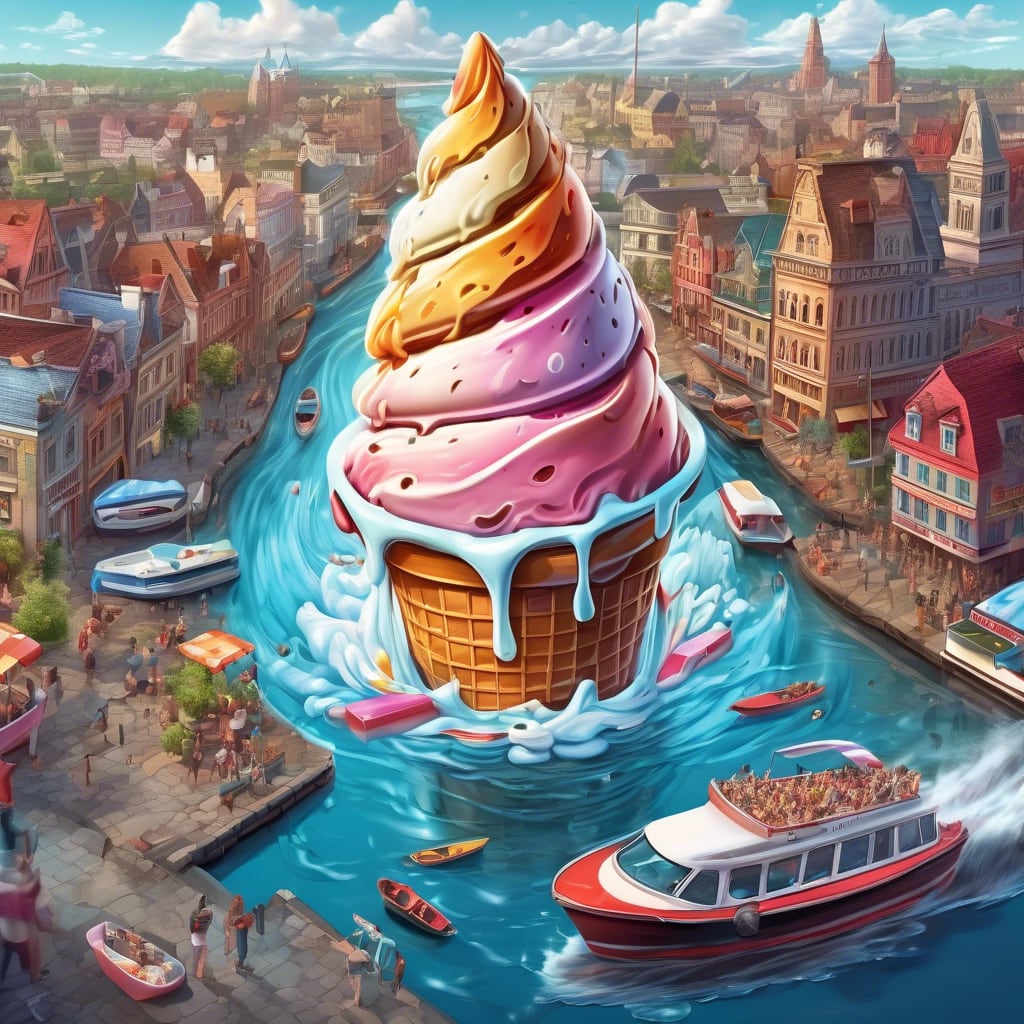
Few foods in human history have traveled such a delightful journey as ice cream. What once began as a luxury reserved for royalty and emperors has now become a global symbol of joy, comfort, and indulgence. From the ancient icy drinks of Persia to the creamy cones sold on bustling streets in New York, Rome, Karachi, and Tokyo — ice cream has touched nearly every corner of the world and every heart along the way.
A Chilly Beginning: Ice Cream’s Origins
The roots of ice cream can be traced back thousands of years. In ancient Persia (modern-day Iran), people would pour grape juice over snow collected from nearby mountains — creating a primitive but refreshing dessert. Similarly, the Chinese are known to have enjoyed frozen milk and rice mixtures as early as 200 BC. These early forms of ice cream were far from the creamy treats we know today but marked the beginning of humanity’s fascination with frozen delights.
It wasn’t until the Roman Empire that these icy refreshments took a more luxurious form. Emperor Nero reportedly sent slaves into the mountains to fetch snow, which was then mixed with fruit pulp and honey. Fast forward to the Arab world, and we see the introduction of sugar and milk into cold desserts, bringing the texture closer to modern-day sorbets and sherbets.
The Renaissance of Frozen Treats in Europe
The concept of ice cream truly flourished in Europe during the Renaissance period. Italian and French chefs began experimenting with sweetened and flavored ices, especially among the nobility. It is believed that Catherine de’ Medici introduced Italian-style frozen desserts to the French court in the 16th century after marrying King Henry II.
By the 17th century, ice cream had reached England, and King Charles I was so fond of it that he reportedly paid his chefs to keep the recipe secret from the public. Of course, secrets like these never last, and by the 18th century, ice cream was spreading across the continent.
The American Dream (and Ice Cream)
Ice cream crossed the Atlantic to the American colonies in the early 1700s. By the time of the American Revolution, it was already a popular dessert among the wealthy. Notably, George Washington was said to have spent hundreds of dollars on ice cream during the summer of 1790 — an extravagant amount for the time.
The real revolution came in the 19th century with the invention of insulated ice houses and, later, refrigeration. These innovations made it possible to store and transport ice cream, transforming it from a rare luxury into a mass-produced treat. By the late 1800s, ice cream parlors were springing up across the United States, offering a social space where people could gather and enjoy a scoop or two.
The Invention of the Cone: An Accident That Changed Everything
One of the most iconic aspects of ice cream — the cone — came about almost accidentally. At the 1904 World’s Fair in St. Louis, an ice cream vendor ran out of dishes. Desperate, he turned to a nearby waffle vendor, who rolled his waffles into cone shapes to hold the ice cream. The rest, as they say, is history.
The cone not only made ice cream more portable and fun but also helped cement its place as a favorite street food. Today, you’ll find cones in all sizes and styles — from sugar cones to waffle cones, and even chocolate-dipped varieties.
Flavors and Fads: From Vanilla to Avocado
While vanilla remains the most popular ice cream flavor worldwide, the variety of available options has exploded. Chocolate, strawberry, and mint chocolate chip are classic favorites, but modern times have seen some wild innovations: salted caramel, matcha green tea, mango chili, lavender honey, and even squid ink!
In countries like India, "kulfi" offers a denser, slower-melting alternative, while Japan's mochi ice cream blends chewy rice dough with cool centers. In Italy, gelato reigns supreme with its smoother, silkier texture and intense flavor.
Each culture has shaped ice cream in its own image — a testament to the dessert’s global versatility.
Ice Cream in Popular Culture
Ice cream has not just been a treat — it has been a symbol. In pop culture, it represents youth, joy, and often romance. Think of the iconic scenes in movies where lovers share a cone, or the cheerful sound of the ice cream truck that sends children running.
It’s also played roles in political moments. During World War II, ice cream was considered a morale booster for American troops. The U.S. Navy even had a floating ice cream barge to serve soldiers at sea.
A Business That Keeps Growing
The global ice cream industry is worth over $70 billion and continues to grow. From multinational brands like Häagen-Dazs and Ben & Jerry’s to small artisanal shops making handcrafted flavors, the market is both vast and diverse.
In recent years, health-conscious consumers have pushed the development of dairy-free, low-calorie, and vegan ice creams. Oat milk, coconut milk, almond milk, and even pea protein have become bases for new generations of frozen desserts, ensuring that even those with dietary restrictions can enjoy the sweetness of ice cream.
More Than a Dessert: A Shared Human Experience
At its core, ice cream is more than just a dessert. It’s a shared experience — a comfort after heartbreak, a celebration on birthdays, a reward after a long week, and a simple pleasure on a hot day. Its appeal cuts across age, culture, and language.
Whether served in a cone, a cup, or between cookies as a sandwich, ice cream speaks to something fundamentally joyful in the human spirit.
---
Conclusion:
From ancient emperors to modern food trucks, from royal palaces to Instagram reels — ice cream has been on an incredible journey. Its evolution mirrors changes in technology, culture, and taste, yet its essence remains the same: cold, sweet, and a little bit magical.
So the next time you enjoy a scoop of your favorite flavor, remember — you’re not just eating dessert. You’re tasting history.
About the Creator
Where the Pulse Ends
© 2026 Sai Marie Johnson The humidity in the city didn’t just hang; it leaned. It was a thick, stagnant soup of diesel exhaust, ozone, and the metallic tang of blood that drifted from the "Compliance Zones." Joe sat in his rusted sedan, his hands resting loosely on the steering wheel. He wasn't gripping it. He wasn't angry. Anger was a chemical spike, a biological inefficiency. Joe was simply... focused.
By Sai Marie Johnson3 days ago in History



Comments
There are no comments for this story
Be the first to respond and start the conversation.