
The Success of China
The Rise of a Giant: China’s Path to Global Success
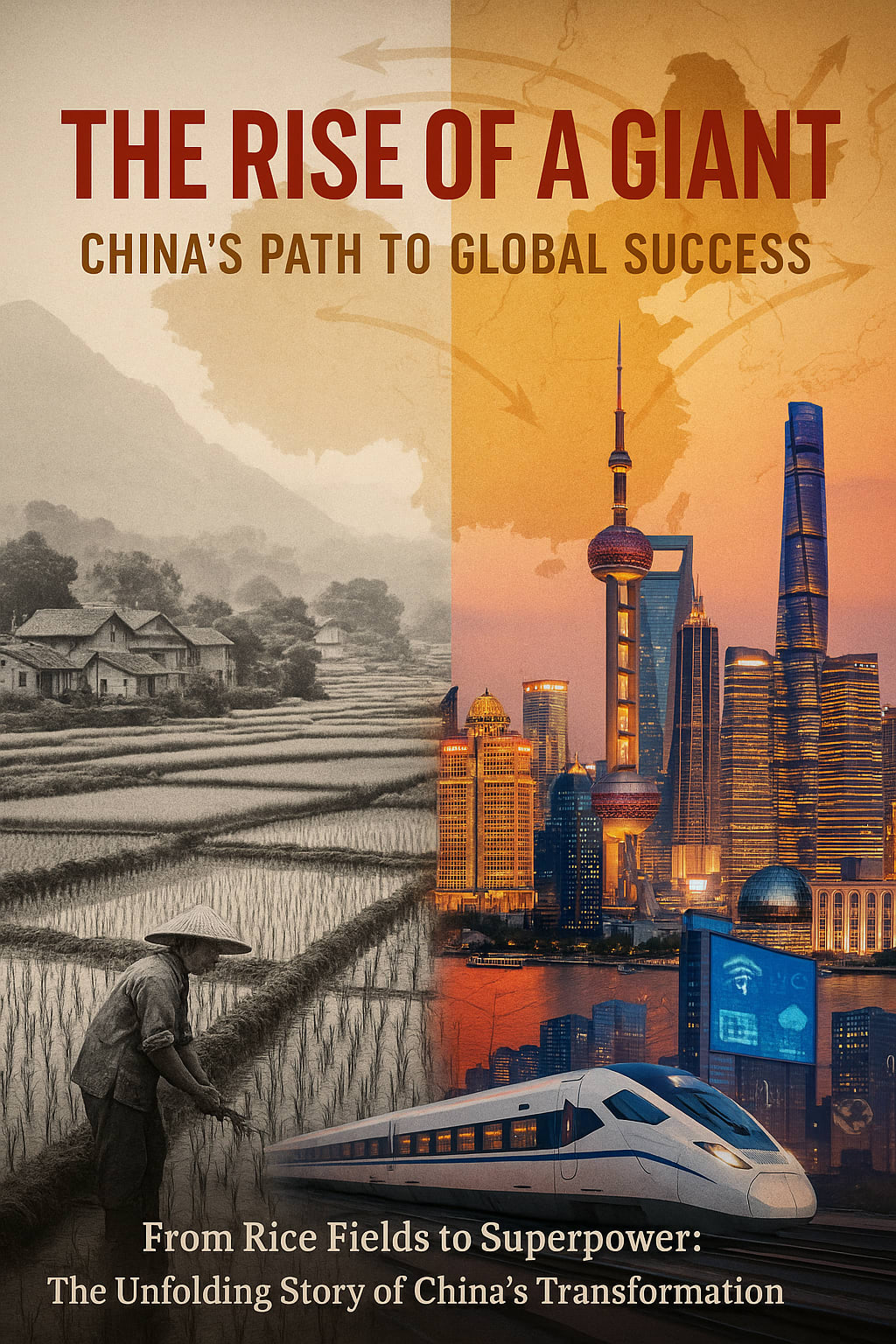
The Success of China: A Modern Economic and Social Transformation
Over the past four decades, China has experienced a remarkable transformation that has reshaped not only its own society but also the global economic and political landscape. From a largely agrarian society plagued by poverty and underdevelopment in the 20th century, China has emerged as the world’s second-largest economy, a technological powerhouse, and a significant global player. The success of China is multifaceted, rooted in economic reform, strategic governance, cultural values, and global engagement.
Economic Reform and Opening Up
The cornerstone of China's success lies in its economic reforms initiated in 1978 under the leadership of Deng Xiaoping. These reforms marked a transition from a centrally planned economy to a more market-oriented system. China adopted a pragmatic approach, allowing for experimentation with capitalist practices within a socialist framework. Special Economic Zones (SEZs) like Shenzhen were established to attract foreign investment and promote exports, becoming models of economic dynamism.
The introduction of these reforms led to rapid industrialization, urbanization, and a massive shift from agricultural labor to manufacturing and services. As a result, China experienced an average annual GDP growth rate of nearly 10% for several decades. Hundreds of millions were lifted out of poverty, making China's economic growth the most sustained and dramatic in modern history.
Manufacturing and Export Powerhouse
China’s rise as the “world’s factory” played a crucial role in its economic success. It leveraged its vast labor force, improved infrastructure, and low production costs to become the global leader in manufacturing and exports. From electronics and textiles to steel and machinery, China supplies a significant portion of the world’s goods. This manufacturing prowess not only created jobs and wealth but also fostered the development of related industries, including logistics, technology, and finance.
Technological Innovation and Digital Economy
In recent years, China has shifted its focus from being a follower in technology to becoming a leader in innovation. Government investment in research and development, coupled with a vibrant startup culture, has fueled advances in artificial intelligence, 5G technology, e-commerce, and green energy. Companies like Huawei, Alibaba, Tencent, and BYD have gained international recognition for their innovation and market reach.
China’s digital economy is now one of the largest in the world. Mobile payments, e-commerce, and online services have become deeply integrated into everyday life, particularly in urban areas. The government has also placed significant emphasis on becoming self-reliant in key technologies, especially as global competition intensifies.
Infrastructure and Urban Development
Another area of success is infrastructure development. China has built an extensive network of high-speed railways, highways, airports, and ports. This infrastructure has improved domestic connectivity and supported economic integration across regions. Urban development has turned cities like Beijing, Shanghai, and Guangzhou into global metropolises, while also lifting many smaller cities and rural areas into modernity.
China's Belt and Road Initiative (BRI), launched in 2013, extends this infrastructure development beyond its borders, aiming to enhance connectivity and trade across Asia, Africa, and Europe. It reflects China’s ambition to shape global trade networks and expand its influence internationally.
Social Stability and Governance
China’s governance model, led by the Communist Party, has also played a significant role in its success. The government has maintained political stability while focusing on economic development, poverty alleviation, and modernization. Large-scale campaigns have successfully reduced extreme poverty, and access to education and healthcare has improved significantly.
Although China's political system differs from Western democracies, it has proven effective in achieving rapid development and implementing long-term policies. However, it has also faced criticism over issues such as human rights and lack of political freedoms.
Challenges and the Road Ahead
Despite its achievements, China faces several challenges. These include an aging population, environmental concerns, regional inequality, and tensions with major global powers. Maintaining sustainable growth, ensuring social equity, and navigating geopolitical competition will be key to its continued success.
In conclusion, the success of China is a complex and evolving story of transformation. Through visionary leadership, strategic reforms, and a commitment to progress, China has risen to become a dominant force in the modern world. As it continues to evolve, its journey will remain a subject of global interest and significance.
About the Creator
When Bullets Turned a Garden into a Graveyard
On April 13, 1919, a peaceful gathering in the northern Indian city of Amritsar turned into one of the most tragic and defining events in the history of British colonial rule in South Asia. The incident, now known as the Jallianwala Bagh Massacre, left hundreds of unarmed civilians dead and thousands wounded. More than a century later, the bullet marks that remain on the walls of the garden serve as a silent reminder of the brutality that unfolded that day.
By Irshad Abbasi 2 days ago in History




Comments
There are no comments for this story
Be the first to respond and start the conversation.