
The Story of the Great Wall of China: A Symbol of Strength and Determination
n

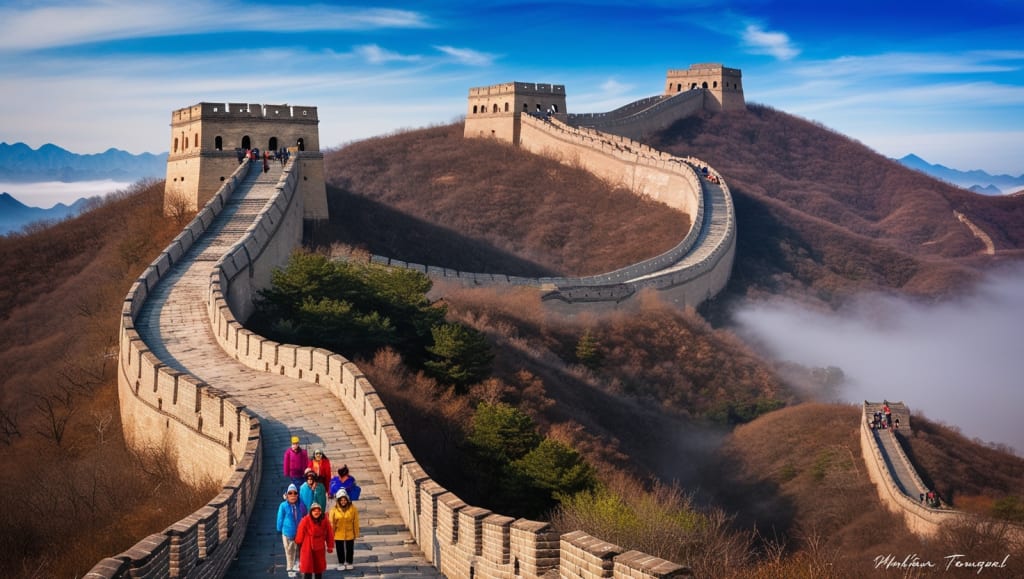
The Story of the Great Wall of China: A Symbol of Strength and Determination
Introduction
The Great Wall of China stands as one of humanity’s most extraordinary architectural feats. Stretching over 13,000 miles, it symbolizes strength, resilience, and cultural unity. Built over centuries, this monumental structure aimed to protect China from invasions, regulate trade, and solidify the empire’s boundaries. In this article, we will explore the history, purpose, and legacy of the Great Wall, highlighting how it became a timeless emblem of perseverance.
1. The Historical Context of the Great Wall
The Great Wall’s history dates back over 2,000 years. It was initially constructed during the Warring States Period (475–221 BCE) when various Chinese states built walls to defend against nomadic tribes.
The Qin Dynasty (221–206 BCE): Emperor Qin Shi Huang unified these walls to form the foundation of the Great Wall as a defense against the Xiongnu.
The Han Dynasty (206 BCE–220 CE): Further extensions were made to protect trade routes along the Silk Road.
2. Why Was the Great Wall Built?
The Wall served multiple purposes beyond defense:
Military Protection: Guarding against invasions from northern tribes like the Mongols and the Xiongnu.
Border Control: Regulating immigration and emigration while solidifying imperial boundaries.
Trade Regulation: Safeguarding and overseeing the bustling Silk Road trade routes.
Symbol of Power: Demonstrating the might and unity of the Chinese empire.
3. Construction Techniques and Challenges
Building the Great Wall was an immense undertaking that spanned centuries and involved millions of workers.
Materials Used: Depending on the region, builders used tamped earth, wood, bricks, and stone.
Human Effort: Laborers included soldiers, peasants, and prisoners, who endured grueling conditions.
Natural Challenges: Builders faced extreme weather, rugged terrain, and logistical difficulties in transporting materials.
4. Key Sections of the Great Wall
The Great Wall comprises various sections, each reflecting different eras and construction styles:
Badaling Section: The most well-preserved and visited part, built during the Ming Dynasty.
Jiayuguan Pass: The westernmost point, often referred to as the “First Pass Under Heaven.”
Mutianyu Section: Known for its scenic beauty and restored pathways.
5. The Role of the Ming Dynasty
The Ming Dynasty (1368–1644) undertook significant reconstruction of the Wall, creating much of the structure seen today.
Advanced Engineering: Incorporating bricks and stone for added durability.
Watchtowers and Fortresses: Strategically placed for communication and defense.
Economic Investment: The Ming rulers heavily funded the Wall’s maintenance to ensure its effectiveness.
6. Life Along the Great Wall
Communities thrived along the Wall, with soldiers and civilians contributing to its upkeep and defense.
Military Presence: Soldiers stationed at watchtowers guarded against invasions and relayed messages using smoke signals.
Trade and Culture: The Wall facilitated cultural exchange and commerce along the Silk Road.
Local Stories and Legends: Folk tales, such as the story of Meng Jiangnu’s sorrow, reflect the emotional connection people had with the Wall.
7. The Wall’s Decline and Preservation Efforts
Following the fall of the Ming Dynasty, the Wall’s strategic importance diminished.
Neglect: Sections fell into disrepair as China’s focus shifted to other military and political challenges.
Preservation: Modern efforts, particularly since the 20th century, have aimed to restore and protect this cultural treasure.
UNESCO World Heritage Site: Designated in 1987, the Wall is now recognized as a global icon.
8. Myths and Misconceptions
The Great Wall is often surrounded by myths that misrepresent its history:
Visibility from Space: Contrary to popular belief, the Wall is not visible to the naked eye from space.
Continuous Structure: The Wall is not a single unbroken line but a series of walls built in different periods.
9. The Great Wall’s Cultural Significance
Beyond its practical purposes, the Great Wall holds deep cultural and symbolic meaning:
Unity and Resilience: Representing China’s ability to unite against adversity.
Art and Literature: Inspiring countless poems, paintings, and films.
Tourism and Identity: A source of national pride and a major attraction for visitors worldwide.
10. Lessons from the Great Wall
The story of the Great Wall offers timeless lessons:
Human Determination: Demonstrating the power of collective effort and resilience.
Cultural Exchange: Highlighting the role of infrastructure in fostering interaction between civilizations.
Preserving History: Emphasizing the importance of protecting historical landmarks for future generations.
Conclusion
The Great Wall of China is more than just a physical structure; it is a testament to human ingenuity, perseverance, and cultural significance. Its history intertwines with the stories of emperors, laborers, and entire civilizations. As a symbol of strength and determination, the Great Wall continues to inspire awe and admiration, reminding us of the profound achievements of our shared human heritage.
About the Creator
💓 Pulse of Stories 💓
The world of short and inspiring stories! Here you will find stories that touch hearts, ignite the imagination, and take you on quick yet deep journeys.
Keep reading
More stories from 💓 Pulse of Stories 💓 and writers in History and other communities.
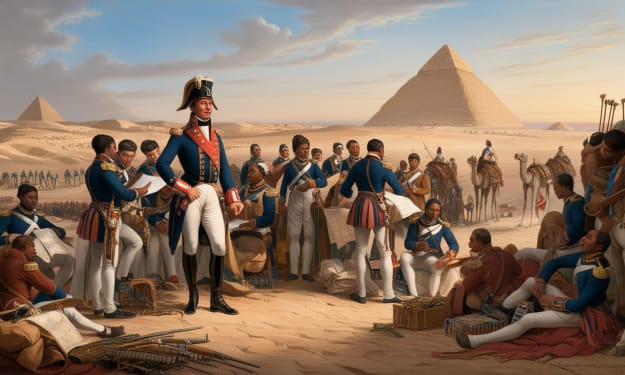
The French Campaign in Egypt: Ambitions and Challenges
The French Campaign in Egypt: Ambitions and Challenges Introduction The French Campaign in Egypt (1798–1801) remains a fascinating episode in history, blending military ambition, cultural exchange, and political turmoil. Initiated by Napoleon Bonaparte, the campaign aimed to undermine British interests, expand French influence in the East, and establish a new route to India. However, the journey was fraught with challenges, from local resistance to logistical setbacks. This article delves into the French expedition to Egypt, exploring its objectives, obstacles, and enduring legacy.
By 💓 Pulse of Stories 💓about a year ago in History


Comments
There are no comments for this story
Be the first to respond and start the conversation.