
🌹 “The Rose — Nature’s Fragrant Masterpiece”
1. Introduction: Why Roses Are So Loved 2. A History Rooted in Beauty 3. Fragrance: The Signature of a Rose 4. The Language of Rose Colors 5. Exploring the Many Types of Roses 6. The Rose in Culture and Symbolism 7. Rose Uses in Daily Life 8. Growing Roses: Nature Meets Art 9. Why Roses Remain Timeless 10. Conclusion: The Flower That Touches the Heart

1. Introduction: Why Roses Are So Loved
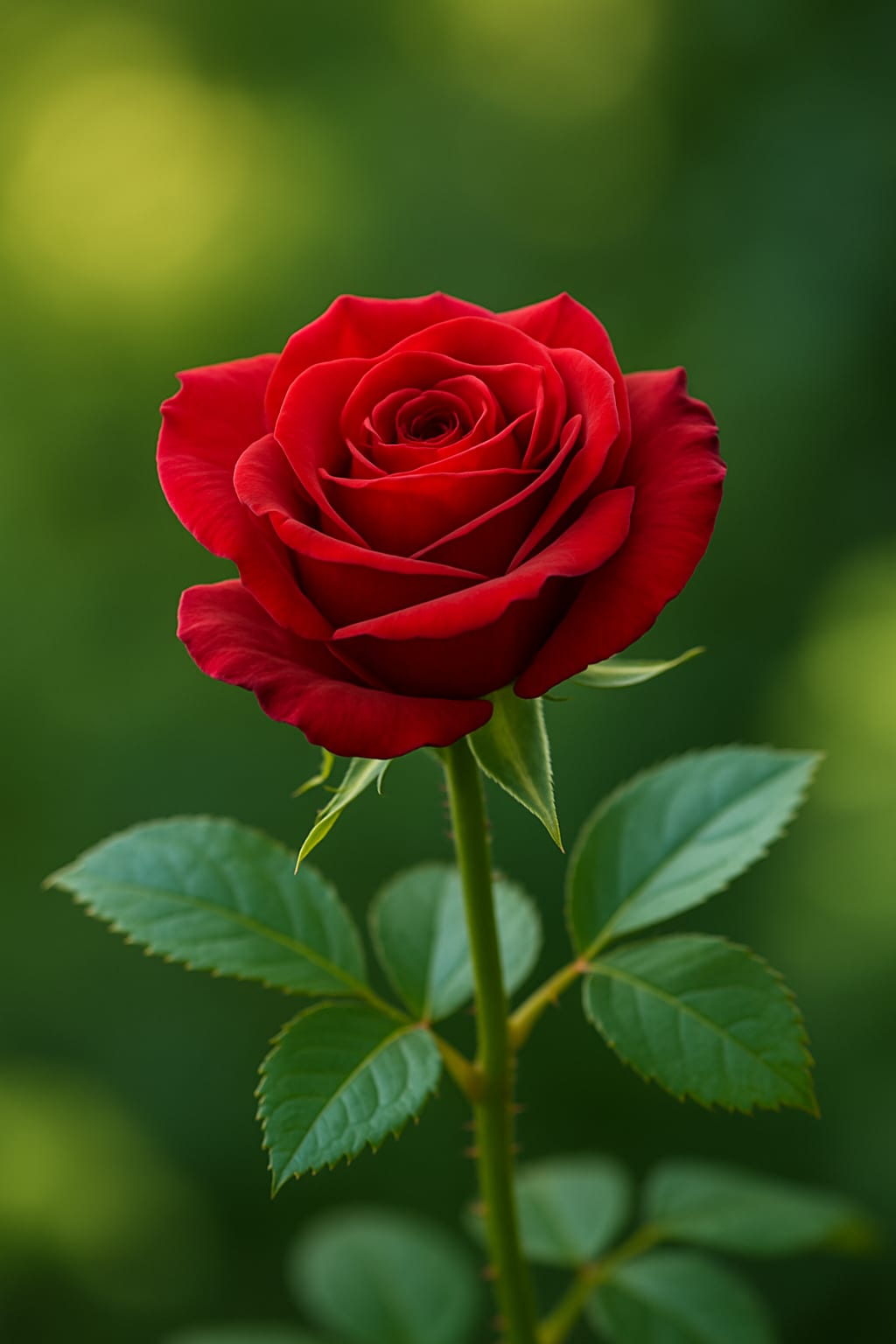
Across the world and throughout time, one flower has remained the most celebrated: the rose. Known for its breathtaking beauty, delicate petals, and sweet fragrance, the rose is more than just a plant — it’s a global symbol of love, elegance, peace, and emotion.
Whether blooming in a wild garden, presented in a bouquet, or pressed inside the pages of an old diary, roses are present in the most emotional and meaningful moments of life.
---
2. A History Rooted in Beauty
The history of roses goes back over 5,000 years. They were cultivated in ancient China, Persia (Iran), and later in Greek and Roman civilizations.
In ancient times, roses were used for:
Royal celebrations
Healing purposes
Religious ceremonies
Art and poetry
Even Cleopatra was said to have filled her palace with rose petals before meeting Mark Antony, believing in their power to enchant.
---
3. Fragrance: The Signature of a Rose
One of the most unique features of a rose is its natural fragrance. The scent is soft, yet powerful. Depending on the variety, the smell can be:
Sweet and floral
Citrusy
Spicy
Fruity or musky
This fragrance is not just pleasant — it’s used in perfumes, rose oil, and skincare products all around the world.
It takes thousands of petals to produce even a few drops of pure rose essential oil.
---
4. The Language of Rose Colors
Roses come in more than 100 natural shades, and each color has a deep meaning:
🔴 Red Rose – Love, passion, and romance
⚪ White Rose – Innocence, peace, and remembrance
🌸 Pink Rose – Gratitude, sweetness, and admiration
🟡 Yellow Rose – Joy, friendship, and new beginnings
🟣 Lavender Rose – Mystery, elegance, and enchantment
🖤 Black Rose (very rare or dyed) – Farewell, mystery
🌈 Rainbow Roses – Creativity and uniqueness (man-made)
Giving someone a rose is more than a gift — it's a message.
---
5. Exploring the Many Types of Roses
There are over 300 species and thousands of varieties of roses in the world. Each has unique characteristics:
Hybrid Tea Roses – Classic, tall, and single blooms; most common in floral shops
Floribunda Roses – Compact bushes with clusters of flowers
Climbing Roses – Perfect for decorating fences and walls
Miniature Roses – Small-sized but beautifully detailed, great for pots
Damask Roses – Rich in scent; used for rose water and perfumes
Wild Roses – Naturally growing species with simpler beauty
Different types of roses are chosen depending on the climate, use, and symbolism.
---
6. The Rose in Culture and Symbolism
The rose has deep roots in various cultures:
In Persian poetry, it represents divine beauty and longing.
In European traditions, red roses symbolize romance.
In Christianity, the rose is linked to Mary and purity.
In South Asia, rosewater is part of weddings, food, and religious rituals.
Artists, poets, and writers have used roses as inspiration for centuries. From Shakespeare’s line “A rose by any other name…” to modern-day greeting cards, the rose remains a symbol of emotion.
---
7. Rose Uses in Daily Life
Roses are not just for looking at — they’re part of everyday products and experiences:
🌹 Perfumes & Cosmetics – Rose oil hydrates and soothes skin
🍵 Food & Drinks – Rose water is used in sweets, teas, and syrups
🧴 Skincare – Rose extract is used in toners and creams
🕊️ Aromatherapy – Rose scent reduces anxiety and improves mood
In many cultures, rose petals are also used in religious ceremonies, weddings, and even as natural room fragrance.
---
8. Growing Roses: Nature Meets Art
Growing roses may seem difficult, but with care and patience, anyone can enjoy them at home.
Basic steps to grow roses:
1. Choose a sunny spot (6–8 hours of sunlight daily)
2. Water deeply but not too frequently
3. Use rich soil with good drainage
4. Prune regularly to promote healthy blooms
5. Protect from pests like aphids and fungus
Roses are a beautiful reward for those who treat them with love and care.
---
9. Why Roses Remain Timeless
Despite the thousands of flowers available today, the rose continues to hold a unique status. Why?
Because it is:
Visually stunning
Symbolically powerful
Emotionally meaningful
Culturally deep
Naturally healing
Whether gifted on Valentine's Day, used in prayers, or seen in gardens, the rose keeps evolving but never loses its charm.
---
10. Conclusion: The Flower That Touches the Heart
The rose — or "golab" — is not just a botanical creation.
It is nature’s poetry, written in petals and perfumed with emotion.
From a single bloom to a field full of colors, roses continue to touch our lives in silent, elegant, and fragrant ways.
They are timeless messengers of the heart, and perhaps that’s why the rose will forever remain “the queen of all flowers.”
About the Creator
The Ottoman Cannon: How a Single Weapon Turned an Empire into a Superpower
In the annals of military history, few empires owe their early prominence to a single technological innovation as much as the Ottoman Empire. Among these innovations, the development and deployment of massive artillery—especially the formidable cannons—played a pivotal role in transforming the Ottomans into a dominant power spanning three continents. From the siege of Constantinople to the eventual decline of Ottoman influence, the story of their artillery reflects both the empire’s ingenuity and its vulnerabilities.
By Irshad Abbasi about 9 hours ago in History
The Piggy Project
I’ve had so many names in this life I lose track of which ones were ever really mine and which ones I wore because someone needed me to. Some were handed to me before I had words to refuse them, before I knew what they meant, before I knew I could say no. Most weren’t meant to hurt. That doesn’t mean they didn’t leave marks. Marks that told me who I belong to, who I am by way of who claims me, recognizes me in the good and bad, who walks beside me.
By Fatal Serendipity2 days ago in Confessions




Comments
There are no comments for this story
Be the first to respond and start the conversation.