
The Rise and Fall of The Vikings
From Raids to Kingdoms
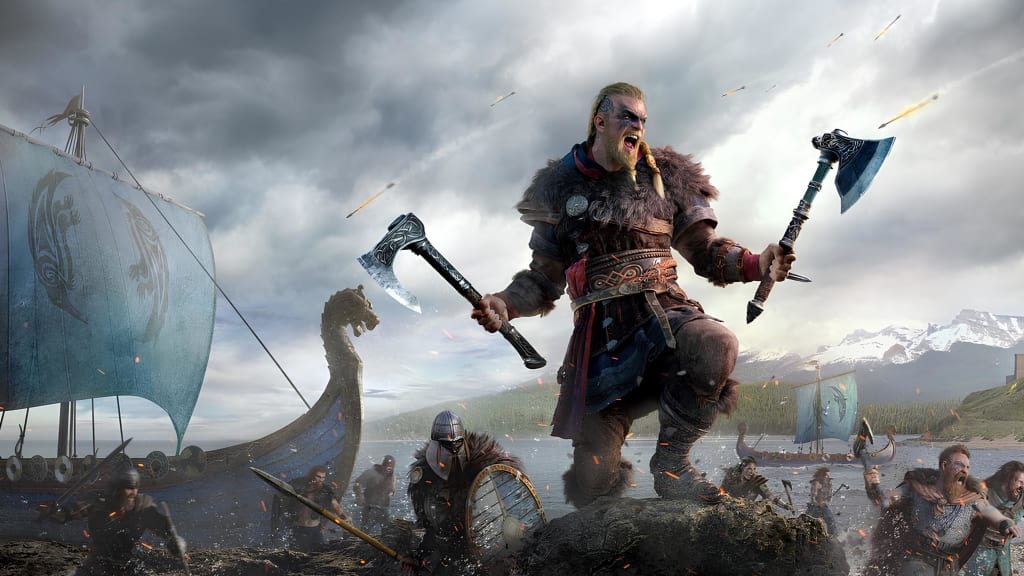
The tale of the Vikings, with their epic voyages and ferocious battles, is a captivating chapter in history. In this article, we'll take a journey back in time to explore the rise and fall of these intriguing seafarers. Get ready for an exciting dive into history, where we unravel the fascinating story of the Vikings.
A Glimpse into the Past
Let's kick off our journey by understanding who the Vikings were. The Vikings, also known as Norsemen, were seafaring people hailing from Scandinavia during the Viking Age, which spanned from the late 8th century to the early 11th century. These intrepid explorers hailed from present-day countries such as Norway, Sweden, and Denmark.
The Viking Spirit: Adventurers Extraordinaire
Fearless Voyages
Picture this: A group of Vikings embarking on their longships, setting sail to uncharted waters, and leaving no stone unturned. The Vikings were audacious adventurers who ventured far and wide, exploring territories that had never been seen before. They reached as far as North America, long before Columbus set foot on American soil.
Ferocious Warriors
The Vikings weren't just skilled sailors; they were also formidable warriors. They instilled fear in the hearts of many with their unparalleled battle skills. Their iconic horned helmets and mighty longswords made them the stuff of legends.
Trading Pioneers
Surprisingly, the Vikings weren't just interested in warfare. They were savvy traders who established trade routes throughout Europe and Asia, bringing exotic goods and cultures to their homelands.
The Viking Age: A Flourishing Era
The Viking Age was a time of remarkable progress and cultural exchange. Their expeditions not only impacted their homelands but also left an indelible mark on the world.
Viking Art and Craftsmanship
The Vikings were skilled artisans, creating intricate jewelry, impressive wooden carvings, and splendid metalwork. Their artistry is still admired today for its intricate detail and craftsmanship.
Exploration and Discovery
The Vikings' exploration expanded the world's geographical knowledge. Their journeys to places like Iceland and Greenland laid the foundation for future explorations and colonization.
The Beginning of the End
As with all great empires and civilizations, the Vikings' glory days eventually waned.
Conversion to Christianity
One significant shift in Viking society was the conversion to Christianity. As Christianity spread across Europe, the old Norse gods began to fade into obscurity.
Decline in Raiding
The Viking raids, which were once a source of wealth and power, began to dwindle. Changing political landscapes and increased resistance made raiding less profitable.
External Threats
The Vikings faced external threats from neighboring kingdoms and nations, which put pressure on their settlements and led to their decline.
The Viking Legacy
Despite their decline, the Vikings' legacy lives on.
Language and Literature
The Vikings left behind their language, Old Norse, which has had a lasting influence on modern languages, particularly English. Their sagas and tales have also made an impact on world literature.
Modern Norse Culture
Today, the legacy of the Vikings can be seen in the modern cultures of Scandinavia. Their heritage is celebrated through festivals, traditions, and even in the names of places and people.
Conclusion
The story of the Vikings is one of epic voyages, fierce battles, and cultural exchange. From their audacious exploration to their decline, the Vikings have left an indelible mark on history, and their legacy continues to intrigue us to this day.
FAQs about the Vikings
1. Who were the Vikings, and where did they come from?
The Vikings, also known as Norsemen, were seafaring people from Scandinavia, including present-day Norway, Sweden, and Denmark.
2. What were the Vikings known for?
The Vikings were known for their fearless voyages, ferocious warrior skills, and their role as pioneers in trade and exploration.
3. When did the Viking Age occur?
The Viking Age spanned from the late 8th century to the early 11th century.
4. Why did the Viking Age come to an end?
The Viking Age declined due to the conversion to Christianity, a decrease in raiding, and external threats from neighboring kingdoms.
5. What is the Viking legacy today?
The Viking legacy can be seen in language, literature, and modern Norse culture, influencing everything from place names to festivals.
So, there you have it—a glimpse into the rise and fall of the Vikings, a remarkable chapter in history that continues to be a source of fascination and inspiration.
About the Creator
Keep reading
More stories from Jan Hopper and writers in History and other communities.
The Capture of Osama Bin Laden
In the annals of history, certain events leave an indelible mark, forever etching their names in the collective memory of a nation. One such momentous event was the operation that led to the capture of the infamous Osama Bin Laden, the mastermind behind the 9/11 terrorist attacks that shook the United States and the world. In this article, we delve deep into the intricacies of how the USA executed this mission that would ultimately bring the world's most wanted man to justice.
By Jan Hopper2 years ago in History
3 Historical Events That Were Ruined by One Incredibly Small Detail
History is shaped by big ideas, brave leaders, and sweeping movements—but sometimes, the tiniest, most overlooked detail changes everything. A forgotten note, a misheard order, or even a misaligned boot can turn a decisive moment into chaos. These micro-errors often seem trivial at the time, but their ripple effects can alter the course of wars, empires, and even the future of entire nations.
By Enoch Sagini3 days ago in History
Pablo Escobar: The Man Who Declared War on Colombia
Pablo Emilio Escobar Gaviria was born on December 1, 1949, in Rionegro, Colombia, and raised in the nearby city of Medellín. He grew up in a modest household, the son of a farmer and a schoolteacher. From an early age, Escobar showed ambition and defiance. He dreamed of power, wealth, and influence—dreams far larger than his surroundings. In a country struggling with inequality and limited opportunity, Escobar believed the rules were written to keep people like him down. Instead of trying to change the system, he chose to dominate it.
By The best writer about 5 hours ago in History




Comments
There are no comments for this story
Be the first to respond and start the conversation.