
The Rise and Fall of Soul City: A Dream Deferred
Soul City: A Pioneering Vision, A Complicated Reality, and Lessons for Tomorrow
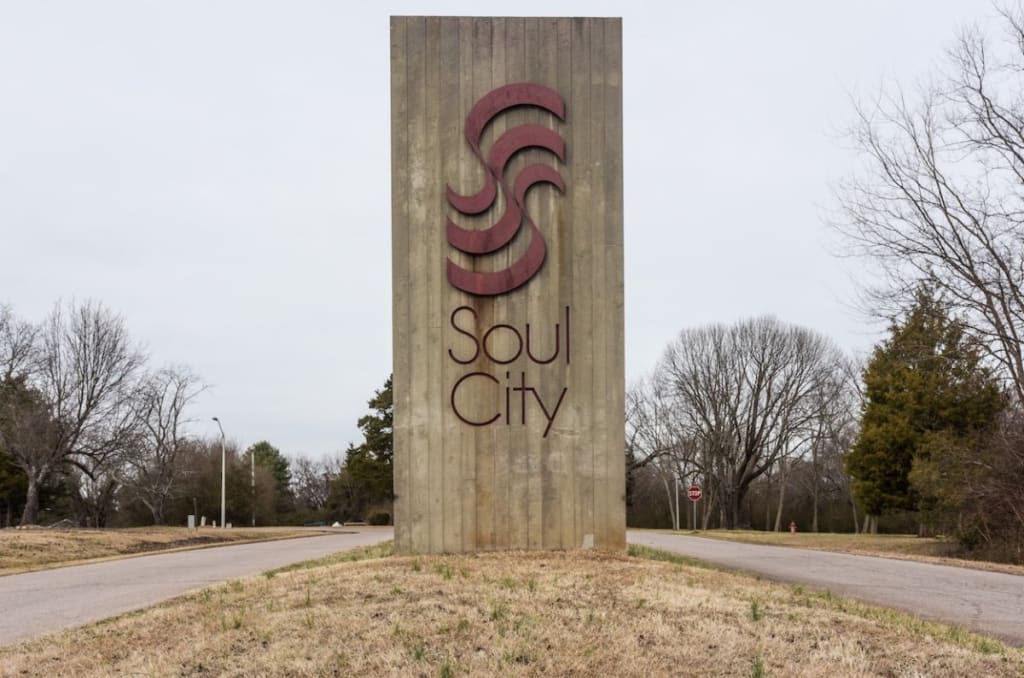
Planning a trip to a place that exists on Google Maps but is strangely absent from many others? Welcome to Soul City, a town nestled at the edge of North Carolina, with a unique history that unfolded in the ambitious and experimental spirit of the 1970s.
A Utopian Dream
Soul City was the brainchild of civil rights activist Floyd McKissick, a prominent figure who made history as the first Black law student at the University of North Carolina. His vision, born out of frustration with the slow progress of racial equality, was to create an integrated town—a planned community where Black Americans could thrive economically and socially.
The Visionary Behind Soul City
Floyd McKissick, a World War II veteran and a key figure in the civil rights movement, believed in the transformative power of rebuilding communities. His son, Floyd B. McKissick Jr., reflects on his father's optimism: "I felt this whole city represented new hope, new opportunity—something that could epitomize the American dream."
Black Capitalism and Soul City's Blueprint
In contrast to movements like the Black Panther Party with socialist values, McKissick embraced the concept of Black capitalism. The idea was to integrate African Americans into the economic mainstream, providing them with opportunities to build and own businesses. Soul City aimed to be a beacon of hope, offering not only economic empowerment but also a diverse and integrated community.
A Strategic Alliance with Nixon
To turn his dream into reality, McKissick needed political support and funding. In a surprising move, he sought an ally in Republican President Richard Nixon, known for his conservative policies but also for moments of liberal initiatives. Nixon's support stemmed from the idea of Black capitalism, aligning with McKissick's vision for Soul City.
The Rise of Soul City
In 1969, McKissick Enterprises announced plans for Soul City, submitting a proposal to the Department of Housing and Urban Development (HUD). The project secured $14 million in federal funding, making it the first development company led by Black Americans to create a new city with government support.
Challenges and Controversies
Soul City faced skepticism and criticism, with one notable adversary being North Carolina senator Jesse Helms, a staunch segregationist. The project, initially embraced by the US government, encountered obstacles as Helms attacked it, leading to a federal audit and a freeze on HUD funds.
Construction and Hurdles
Construction began in 1973, transforming thousands of acres of former plantation land into a vibrant community. However, by the late 1970s, Soul City had fewer than 200 residents, and big businesses were hesitant to invest. The energy crisis of the 1970s and industry reluctance to move to new areas posed significant challenges.
The Fall of Soul City
By 1979, the negative press, political attacks, and a lack of substantial commitments led HUD to withdraw its support. Soul City was left without federal funding, and in 1980, McKissick Enterprises foreclosed and sold off much of the land. The dream of Soul City, once a symbol of hope, faded away.
Legacy and Lessons
Though Soul City didn't become the bustling metropolis envisioned by Floyd McKissick, its legacy endures. The remnants of the town stand as a testament to the ambitious project undertaken with limited resources and time. Soul City remains a place that embodied possibility, even if the dream was ultimately deferred.
In the footsteps of history, Soul City invites reflection on the challenges faced by innovative projects and the broader implications for racial equality and economic empowerment. The rise and fall of Soul City, though not a conventional success story, sparks conversations about dreams, resilience, and the ongoing journey towards a more equitable future.
About the Creator
Keep reading
More stories from Kofi Quayson and writers in History and other communities.
Unraveling the Jerusalem Conundrum: A Deep Dive into its Complex History
In a historic move, the United States has officially recognized Jerusalem as the capital of Israel, relocating its embassy from Tel Aviv. President Trump's decision has ignited both celebration and condemnation, further heightening the tensions in a conflict that has spanned seven decades. Here, we delve deeper into the intricacies of Jerusalem, unraveling its complex history and shedding light on the multifaceted dimensions that make it one of the world's most contentious cities.
By Kofi Quayson2 years ago in History
A woman from a vanished female dynasty was discovered buried with 270,000 beads.
In a Copper Age tomb close to Seville, Spain, the Montelirio bead assemblage contains over 270,000 beads that identify the ladies buried there as elites. The discovery is the biggest collection of beads ever
By Francis Dami7 days ago in History
The Ottoman Empire
In the late thirteenth century, when the great empires of the medieval world were beginning to crack under their own weight, few would have noticed a small Turkic tribe living on the edge of the collapsing Byzantine Empire. They owned little land, had no grand cities, and were surrounded by stronger rivals. Yet from this humble beginning would rise one of the longest-lasting and most influential empires in human history: the Ottoman Empire.
By The best writer 6 days ago in History




Comments
There are no comments for this story
Be the first to respond and start the conversation.