
The Rajasuya Yajna and the Pandavas’ Conquests
The strory of dharmaraja's rajasuyayaga
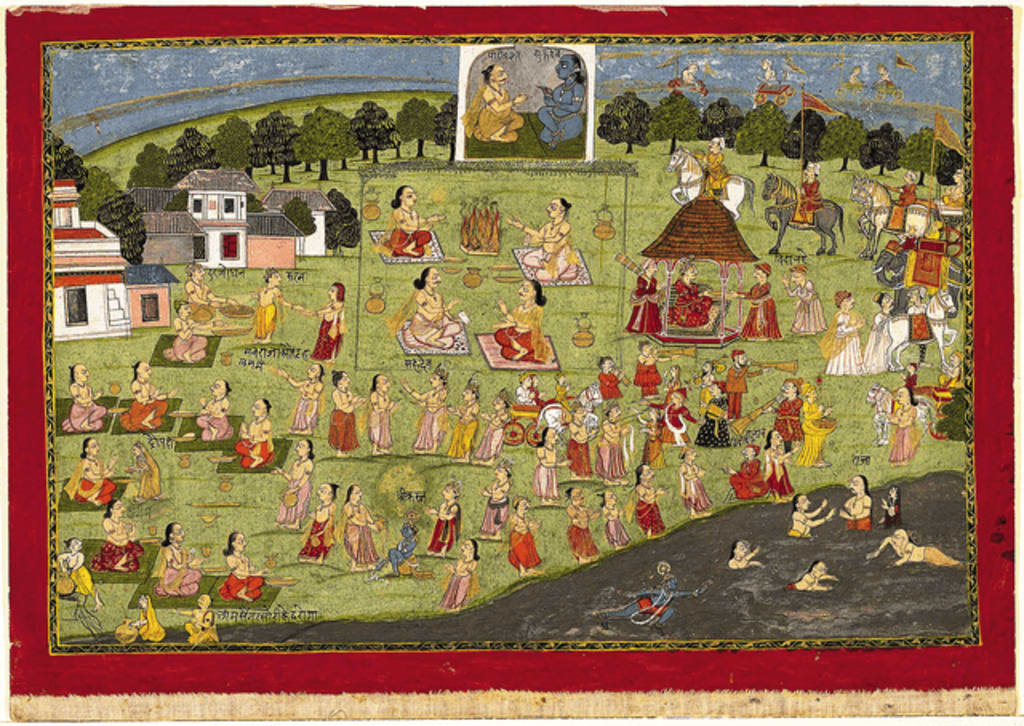
After the defeat of the powerful King Jarasandha, Yudhishthira, the eldest Pandava, was ready to perform the Rajasuya Yajna—a grand royal sacrifice that would proclaim him as Emperor of Bharatavarsha, ruler over all other kings. This prestigious ritual required all neighboring kingdoms to acknowledge Yudhishthira’s supremacy, either through alliance or submission. To secure their allegiance, Yudhishthira sent his four brothers—Bhima, Arjuna, Nakula, and Sahadeva—on campaigns to the four directions, each tasked with bringing neighboring kings under his banner.
Preparing for the Rajasuya Yajna
With the blessings of Krishna and the elders, Yudhishthira decided to undertake the Rajasuya Yajna, one of the most revered ceremonies in ancient India. The yajna required wealth, power, and the acknowledgment of one’s supremacy by other kings, which would allow Yudhishthira to unify the kingdoms under a just and righteous rule. As per the ritual, Yudhishthira needed to collect tribute or submission from kings across Bharatavarsha to be acknowledged as the undisputed ruler.
To achieve this, he assigned each of his brothers a specific direction, entrusting them with the responsibility to gain support or submission through either diplomacy or battle. The Pandavas accepted the challenge with honor and set out in different directions.
Bhima’s Conquest to the East
Bhima, the mighty warrior known for his physical strength and courage, was sent to the eastern regions. This area included powerful kingdoms and fierce warrior tribes. Bhima’s reputation as a formidable warrior often preceded him, and many rulers willingly submitted, recognizing Yudhishthira’s right to perform the Rajasuya Yajna.
However, some powerful kings and tribes resisted, unwilling to acknowledge the Pandavas’ supremacy. Bhima faced these opponents head-on in fierce battles, showcasing his unparalleled might and combat skills. Through both diplomacy and combat, he secured allegiance from the eastern kings, collecting tributes and honors. His strength, both on the battlefield and in negotiations, brought great wealth and respect to Yudhishthira’s cause.
Arjuna’s Journey to the North
Arjuna, renowned for his archery and prowess, was entrusted with the campaign to the northern territories. This region included mountainous lands and challenging terrain, populated by formidable warrior clans and even mystical beings. Arjuna’s journey to the north required both skill and adaptability as he encountered kings who were skilled warriors, as well as sages and mystical tribes that guarded sacred lands.
With his legendary Gandiva bow and divine weapons, Arjuna faced various challenges, defeating those who opposed him with grace and valor. His encounters with renowned warriors earned him admiration and respect, and many kings willingly acknowledged Yudhishthira’s supremacy. Through a combination of valor, diplomacy, and tactical brilliance, Arjuna secured alliances and tribute from the north, further strengthening Yudhishthira’s position.
Nakula’s Expedition to the West
Nakula, the handsome and skilled horseman among the Pandavas, was sent to the western regions. The lands of the west included vast deserts, powerful merchant kingdoms, and kingdoms that thrived on trade. Known for his charm and negotiating skills, Nakula’s approach was often diplomatic, winning over many western kings with respect and persuasion.
However, when resistance arose, Nakula displayed his prowess on the battlefield, proving himself to be as fierce a warrior as his brothers. He led a swift and efficient campaign, gaining allegiance from kingdoms that were known for their wealth and trade connections. Nakula’s conquests brought valuable resources and tribute to Yudhishthira’s treasury, bolstering the wealth required for the Rajasuya Yajna.
Sahadeva’s Campaign to the South
Sahadeva, known for his wisdom and loyalty, was entrusted with the southern regions, which included powerful kingdoms and ancient clans with strong cultural heritage. The southern kings were respected for their wealth and knowledge, and many had histories of fierce independence. Sahadeva approached these kings with humility, diplomacy, and respect for their traditions, which helped him gain the favor of many.
However, when diplomacy failed, Sahadeva displayed his warrior’s might, defeating the opposing kings in battle. His combination of wisdom and valor won him allies, while his respect for the southern cultures made him a beloved envoy of Yudhishthira. Sahadeva’s successful campaign brought the powerful southern kingdoms into allegiance, adding immense wealth and resources to the Rajasuya Yajna.
The Rajasuya Yajna and the Kings’ Assembly
With all four directions brought under Yudhishthira’s banner, the Pandavas returned victorious, bringing with them tributes, wealth, and allegiance from kings across Bharatavarsha. The collection of these tributes, combined with Yudhishthira’s righteousness and wisdom, established him as a worthy emperor.
The preparations for the Rajasuya Yajna began in Indraprastha with great enthusiasm. Krishna, the Pandavas’ beloved friend and guide, played a key role in overseeing the arrangements and ensuring that every ritual was followed with precision. Indraprastha was transformed into a grand ceremonial site, with elaborate decorations, lavish offerings, and the presence of revered sages, learned Brahmins, and royal guests.
At the yajna, all the assembled kings paid homage to Yudhishthira, acknowledging his position as Emperor of Bharatavarsha. As per tradition, a special guest of honor was chosen to receive the first offering. Yudhishthira chose Krishna for this honor, recognizing his divine support and guidance as essential to their success.
About the Creator
Keep reading
More stories from sai Charan and writers in History and other communities.
Bhima’s Epic Duel with Jarasandha and the Tyrant’s Downfall
Following Krishna’s advice to defeat Jarasandha before the Rajasuya Yajna, Bhima, along with Krishna and Arjuna, journeyed to the kingdom of Magadha. Their mission was to end Jarasandha’s reign, liberate the imprisoned kings, and secure peace for Yudhishthira’s rule. Jarasandha, the formidable king of Magadha, was known for his immense strength and had captured nearly a hundred kings, intending to sacrifice them in a ritual for Lord Shiva. Krishna, aware of Jarasandha’s unusual birth and his unique vulnerability, devised a plan for Bhima to challenge and ultimately defeat him.
By sai Charanabout a year ago in History
3 Times the Wrong Person Was in Charge at the Worst Possible Moment
Leadership matters most when things go wrong. In calm times, almost anyone can appear competent. Meetings happen. Papers get signed. Coffee is consumed with confidence. But crises are different. Crises demand judgment, experience, decisiveness, and—ideally—a basic understanding of what’s happening.
By Enoch Sagini4 days ago in History



Comments
There are no comments for this story
Be the first to respond and start the conversation.