
The Phantom Time Hypothesis: Did the Middle Ages Never Happen?
History

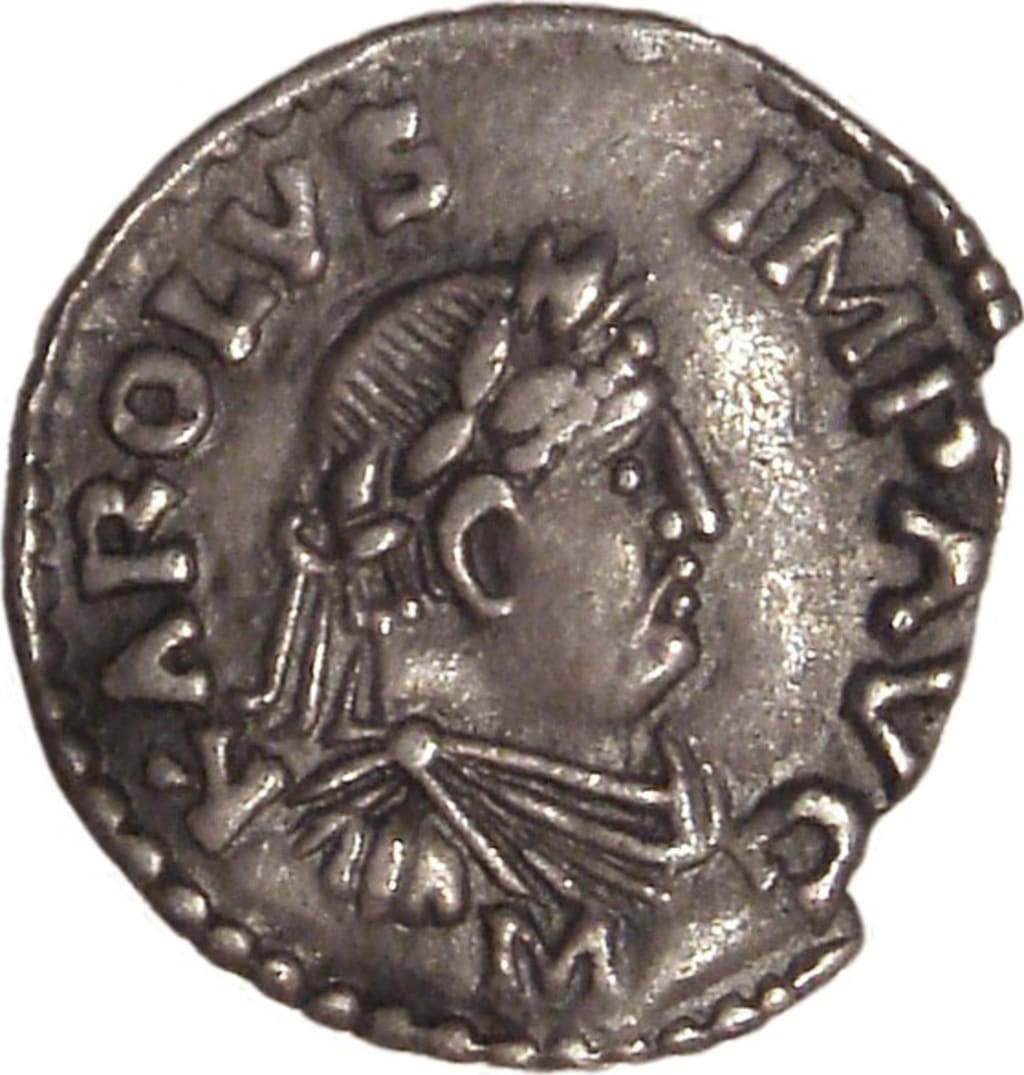
The Phantom Time Hypothesis: Did the Middle Ages Never Happen?
Introduction: What Is the Phantom Time Hypothesis?
Imagine if 300 years of history, as we know it, simply never occurred. That’s the claim at the heart of the Phantom Time Hypothesis, a bold and controversial theory suggesting that parts of the Middle Ages—from approximately 614 to 911 AD—were invented by those in power. Originally proposed by German historian Heribert Illig in the 1990s, this theory has fascinated conspiracy theorists and history buffs alike, sparking endless debates and speculation. Could it be true that our historical timeline is off by centuries? In this article, we’ll dive into the theory’s background, evidence, and counterarguments, examining whether the “phantom time” really exists.
The Origins of the Phantom Time Hypothesis
Heribert Illig: The Man Behind the Theory
Heribert Illig, a German historian and writer, first introduced the Phantom Time Hypothesis in 1991. Illig believed that roughly 297 years of medieval history were fabricated, and that the calendar was deliberately altered to create these “phantom” years. According to Illig, this conspiracy was orchestrated to align the Christian calendar with significant events and to reinforce certain political and religious narratives of the time.
The Timeline in Question: 614 to 911 AD
Illig’s theory focuses on the years between 614 and 911 AD, a period that encompasses part of the Early Middle Ages. He argues that historical records from these centuries are either sparse, inconsistent, or fabricated. The reasons for this “phantom time,” according to Illig, relate to a few key figures, particularly Holy Roman Emperor Otto III and Pope Sylvester II, who supposedly wanted to create a historical timeline that placed them at the dawn of the first millennium.
The Motivation Behind the Phantom Time Hypothesis
The Role of Otto III and Pope Sylvester II
One of the most intriguing aspects of the Phantom Time Hypothesis is the role of Otto III, who ruled the Holy Roman Empire from 996 to 1002 AD. Illig suggests that Otto III and Pope Sylvester II conspired to change the calendar, adding nearly 300 years to make the year 1000 seem more significant. By fabricating historical events and aligning the timeline to create a “new” year 1000, they sought to legitimize their rule and highlight the Christian faith’s supremacy during a symbolic period.
Calendar Changes and Power Dynamics
Illig’s theory posits that altering the calendar was a way to strengthen political and religious power. If Otto III could “jump” the timeline forward, he could center his rule in the year 1000, a date with substantial religious and cultural importance, aligning with apocalyptic prophecies and millennial beliefs that were prominent at the time. In this way, time itself was molded as a tool to solidify power, influence perceptions, and enhance the legitimacy of the empire.
Evidence Supporting the Phantom Time Hypothesis
The Julian and Gregorian Calendar Discrepancies
A central element of Illig’s theory lies in the discrepancies between the Julian and Gregorian calendars. When Pope Gregory XIII introduced the Gregorian calendar reform in 1582, it adjusted the calendar by 10 days to realign it with the solar year. According to Illig, if nearly 300 years of history were indeed fabricated, then only a correction of 7–8 days would have been necessary, not 10 days. This “excessive” adjustment, in Illig's view, hints at the possibility of phantom time being added to history.
Lack of Physical Evidence from the Early Middle Ages
Illig also points to a supposed lack of physical and archaeological evidence from the 7th to the 10th centuries. Structures, artifacts, and cultural relics that would typically support historical accounts from this period appear sparse. For instance, some of Europe’s oldest architectural structures and artifacts can be dated before or after the supposed “phantom time” but are curiously absent during these particular centuries. According to Illig, this absence suggests that these years might have been fabricated.
Inconsistent Historical Records
Another argument Illig raises is the inconsistency in historical records. He suggests that historical documentation from the “phantom” period lacks coherence and consistency, with major events seemingly poorly recorded or lacking detail. For example, he argues that the Carolingian Empire, which supposedly existed during this period, has significant gaps in its historical record. Additionally, some documents and texts from this era were not well preserved, which Illig believes adds to the theory that these centuries were manufactured.
Counterarguments: Why Most Historians Reject the Phantom Time Hypothesis
The Abundance of Corroborating Evidence
Most historians quickly dismiss the Phantom Time Hypothesis due to the abundance of corroborating evidence from outside Europe that supports a continuous timeline. Events and artifacts from cultures across Asia, the Middle East, and the Americas align chronologically with the Early Middle Ages in Europe. Records of astronomical events, such as eclipses and comets, which can be reliably dated, also align with the accepted timeline, making it unlikely that hundreds of years were simply added.
Archaeological Finds and Dated Artifacts
Archaeological discoveries from the period in question provide further evidence against the theory. Artifacts and structures from the 7th to the 10th centuries exist across Europe, showing clear developmental progress over time. From remnants of early medieval towns to religious artifacts, these items are well-documented and have been carbon-dated to the period Illig claims never happened. Historians argue that if nearly three centuries were missing, these objects would not exist in such abundance.
The Complexities of Calendar Reform
The Julian calendar reform in 46 BC and the later Gregorian reform in 1582 were both responses to inaccuracies in timekeeping but do not inherently indicate that years were added. Calendar adjustments account for the difference in solar year calculations, and the 10-day correction was necessary to compensate for centuries of gradual drift. According to historians, Illig’s argument ignores the natural need for calendar adjustments over long periods due to astronomical differences, rather than supporting phantom years.
The Legacy of the Phantom Time Hypothesis
A Fascinating Thought Experiment
Despite its rejection by mainstream historians, the Phantom Time Hypothesis remains an intriguing thought experiment. It challenges us to think critically about the nature of history, timekeeping, and how historical records are compiled and maintained. The hypothesis has inspired many to question accepted historical narratives and to examine how power dynamics and human motives can shape our understanding of the past.
Conspiracy Theories and Public Fascination
The Phantom Time Hypothesis has gained a significant following among conspiracy theorists and has permeated popular culture. It exemplifies how a single theory can spark public interest and challenge our assumptions about history, even if it lacks solid evidence. The idea that parts of history could be manufactured taps into a broader fascination with conspiracy theories, appealing to those who question official narratives and remain skeptical of historical records.
Conclusion: Did the Middle Ages Really Happen?
While the Phantom Time Hypothesis is a captivating theory, the vast majority of historians and archaeologists agree that it lacks substantial evidence. Physical artifacts, dated records from multiple civilizations, and the natural progression of timekeeping practices refute the idea that 297 years of history were fabricated. Although it’s tempting to entertain the notion that time itself could be manipulated, the weight of historical and archaeological evidence strongly supports the authenticity of the Middle Ages.
The Phantom Time Hypothesis serves as a reminder of how our understanding of history can be challenged and shaped by unconventional theories. It prompts us to consider how history is recorded and the trust we place in historical timelines. While the theory may not hold up to scientific scrutiny, it will likely continue to captivate imaginations and provoke questions about the mysteries of our past.
FAQs
1. What exactly is the Phantom Time Hypothesis?
The Phantom Time Hypothesis is a theory that proposes nearly 300 years of the Early Middle Ages, specifically from 614 to 911 AD, were fabricated, and that these years never actually occurred.
2. Why do some believe the Middle Ages were fabricated?
Proponents of the hypothesis argue that powerful figures, like Holy Roman Emperor Otto III and Pope Sylvester II, added phantom years to the timeline to align with significant events and give legitimacy to their rule in the symbolic year 1000.
3. How do historians disprove the Phantom Time Hypothesis?
Historians point to consistent records from other civilizations, such as in the Middle East and Asia, as well as astronomical data and archaeological finds that align with the timeline, disproving the idea of missing centuries.
4. What role does the Gregorian calendar play in this theory?
Illig claims that the 10-day correction in the Gregorian calendar reform suggests extra time was added, but historians clarify that this adjustment was necessary due to natural calendar drift over centuries, not because years were fabricated.
5. Is there any evidence supporting the Phantom Time Hypothesis?
While Illig and supporters point to sparse records and inconsistencies in European history from this period, the lack of substantial evidence, combined with corroborating data from various sources, makes the hypothesis widely unaccepted among experts.
About the Creator
William Shakespeare
William Shakespeare is widely regarded as the greatest writer in the English language and one of the most influential figures in world literature. His plays and poems have crossed centuries, cultures, and languages, shaping storytelling, drama, and even everyday speech. Yet, despite his immense fame, much of Shakespeare’s personal life remains a mystery. What we do know paints the picture of a remarkable man who rose from a small market town to become the most celebrated playwright of his age. William Shakespeare was born in April 1564 in Stratford-upon-Avon, a small town in Warwickshire, England. The exact date of his birth is unknown, but church records show that he was baptized on April 26, 1564, and it is traditionally believed that he was born on April 23. His father, John Shakespeare, was a glove maker and a local businessman who also held public offices, including that of alderman and bailiff (similar to a mayor). His mother, Mary Arden, came from a respected and relatively wealthy farming family. This background gave young William a stable upbringing and access to education. Shakespeare likely attended the local grammar school in Stratford, where boys were taught reading, writing, Latin grammar, and classical literature. At school, he would have studied works by Roman writers such as Ovid, Virgil, and Seneca—authors who later influenced his plays and poetry. Although there is no record of Shakespeare attending university, his deep knowledge of history, law, politics, and human nature suggests a strong education and an inquisitive mind. At the age of eighteen, Shakespeare married Anne Hathaway in 1582. Anne was eight years older than him, which was unusual for the time. The couple had three children: Susanna, born in 1583, and twins Hamnet and Judith, born in 1585. Tragically, Hamnet died at the age of eleven, a loss that many scholars believe deeply affected Shakespeare and may have influenced the themes of grief and loss in his later works. After the birth of his twins, Shakespeare’s life enters a period often referred to as the “lost years.” From around 1585 to 1592, there are no clear records of his activities. Many theories exist: some believe he worked as a schoolteacher, others think he traveled with acting companies, and some suggest he may have worked in London in various jobs related to the theater. Whatever he did during these years, by the early 1590s Shakespeare had clearly found his calling. By 1592, Shakespeare was established in London as an actor and playwright. London at the time was a bustling city, full of opportunity but also danger, with frequent outbreaks of plague and political tension. The theater was a popular form of entertainment, attracting people from all levels of society—from nobles to common laborers. Shakespeare became associated with a leading acting company known as the Lord Chamberlain’s Men, which later became the King’s Men under King James I. This royal patronage gave the company prestige and financial stability. Shakespeare wrote plays at an astonishing pace. His early works included comedies such as The Comedy of Errors and A Midsummer Night’s Dream, as well as historical plays like Henry VI and Richard III. These plays established his reputation for rich language, memorable characters, and engaging plots. As his career progressed, his writing grew more complex and mature. In the late 1590s and early 1600s, Shakespeare produced many of his greatest tragedies, including Hamlet, Othello, King Lear, and Macbeth. These plays explore deep themes such as ambition, power, jealousy, love, betrayal, and the nature of humanity itself. Shakespeare’s characters are not simple heroes or villains; they are deeply human, full of contradictions and inner struggles. This psychological depth is one of the reasons his works remain relevant today. Shakespeare was not only a playwright but also a poet. In 1609, his collection of 154 sonnets was published. These poems deal with themes of love, beauty, time, mortality, and art. Written in a strict poetic form, the sonnets demonstrate Shakespeare’s mastery of language and emotion. Many of them are still studied and memorized by students around the world. Financially, Shakespeare was very successful. He invested wisely, purchasing property in Stratford-upon-Avon, including a large house known as New Place. Despite his success in London, he maintained strong ties to his hometown. By around 1613, Shakespeare began to retire from active writing and returned to Stratford, where he lived as a respected and wealthy gentleman. William Shakespeare died on April 23, 1616, at the age of 52. The cause of his death is unknown. He was buried in the Holy Trinity Church in Stratford-upon-Avon. His grave bears a famous epitaph warning against moving his bones, a request that has been honored to this day. Seven years after his death, in 1623, Shakespeare’s friends and fellow actors published the First Folio, a collection of 36 of his plays. Without this effort, many of his works might have been lost forever. The First Folio secured Shakespeare’s place in literary history and allowed future generations to discover and study his genius. William Shakespeare’s legacy is immense. He contributed hundreds of words and phrases to the English language, many of which are still in use today. His plays are performed more often than those of any other playwright, and his influence can be seen in literature, film, theater, and popular culture worldwide. More than four hundred years after his death, Shakespeare continues to speak to the human experience, proving that great storytelling truly has no boundaries of time or place. In the end, Shakespeare’s life is a powerful story of talent, determination, and imagination. From a small-town boy in Stratford to the world’s most celebrated writer, his journey reminds us of the enduring power of words and the timeless nature of human emotion.
By The best writer 2 days ago in History
The Rise and Fall of Nicolae Ceaușescu
Nicolae Ceaușescu’s rise to power was initially marked by promise, even optimism. Born in 1918 into a poor peasant family, he entered politics early, shaped by the ideological rigidity of interwar and wartime communism. When he became General Secretary of the Romanian Communist Party in 1965, following the death of Gheorghe Gheorghiu-Dej, many Romanians saw in him a younger leader, one who might soften the harsh Stalinist legacy that had defined the previous decades. For a society weary of repression and deprivation, Ceaușescu appeared to embody the possibility of cautious change.
By Pure child6 days ago in History
Affection and Healing for Yourself
During the night of the last quarter moon, I gathered my ritual supplies. I carefully handled the chunk of black tourmaline that would protect me from your overall negative and narcissistic energy. I carefully walked the house with my stick of selenite in hand, asking the universe to cleanse our working space.
By Alisha Wilkins ✒️🦋🖋️3 days ago in Fiction



Comments
There are no comments for this story
Be the first to respond and start the conversation.