
The Paris Catacombs: A Journey into the Empire of the Dead
The Paris Catacombs: A Journey into the Empire of the Dead

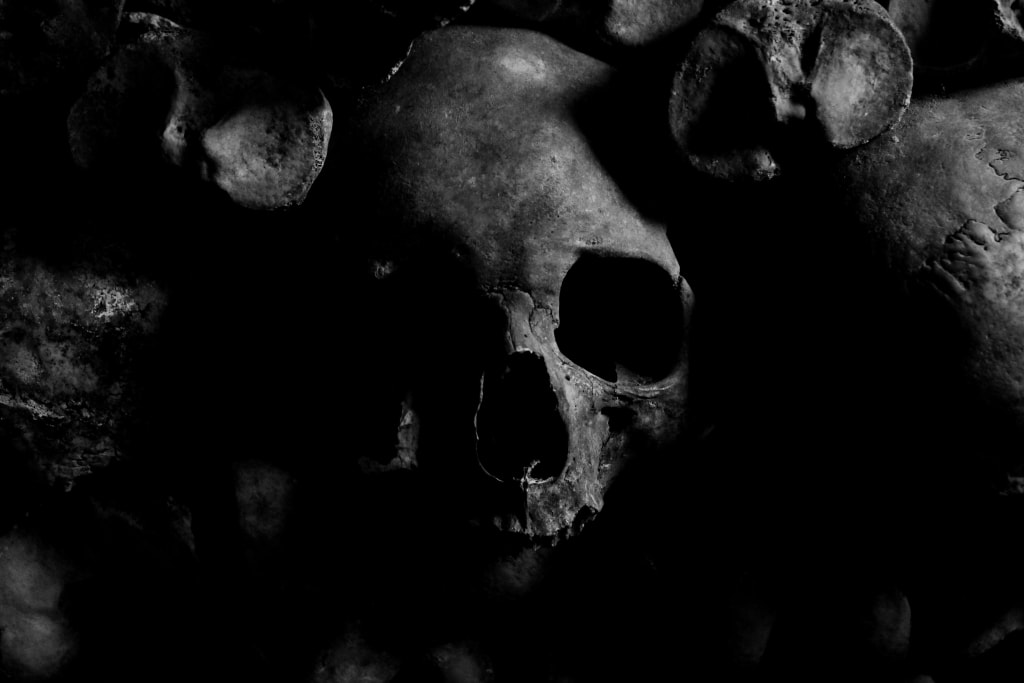
The Paris Catacombs, an underground ossuary holding the remains of over six million Parisians, is one of the most enigmatic and macabre attractions in the world. Located beneath the bustling streets of Paris, this subterranean network intertwines history, art, and mortality, offering visitors a haunting yet profound glimpse into the city's past.
Historical Origins
The Catacombs originated in the late 18th century as a solution to a growing public health crisis. By the 1780s, Paris’ cemeteries were overcrowded, leading to unsanitary conditions that sparked fears of disease. A notable disaster occurred in 1780 when a wall of the Cemetery of the Innocents collapsed, spilling decomposing bodies into nearby areas. In response, city officials decided to relocate the remains to the abandoned limestone quarries beneath Paris. The transfer began in 1785 and lasted over 12 years, with nightly processions moving bones to their new resting place in the Catacombs.
The Ossuary and Its Design
The Catacombs are not merely a haphazard storage of bones but a carefully curated space. Under the guidance of architect Héricart de Thury in the early 19th century, the ossuary was transformed into a solemn and reflective environment. Long bones and skulls were arranged in decorative patterns, forming walls and arches, while plaques indicate the origins and dates of the transferred remains. These arrangements reflect both respect for the dead and a unique artistic expression.
Visitors are greeted by the inscription “Arrête! C’est ici l’empire de la mort” (“Stop! This is the empire of the dead”) at the entrance to the ossuary, setting the tone for the experience. The pathways lead through narrow tunnels and open galleries, with bones stacked neatly along the walls and interspersed with poetic and philosophical musings about mortality.
Notable Features and Stories
The Catacombs are home to several intriguing features:
- Decure Sculptures: François Décure, a quarry worker and soldier, carved intricate sculptures depicting scenes from Minorca. These artistic pieces, including the "Port Mahon sculpture," showcase the creative endeavors undertaken even in such somber surroundings.
- Samaritan Fountain: This well, located within the Catacombs, bears a biblical reference, symbolizing both life and thirst in a hauntingly ironic twist.
- World War II Usage: During the German occupation of Paris, the Catacombs served as a refuge and meeting point for the French Resistance. Simultaneously, Nazi forces utilized some sections for their operations, adding another layer of historical intrigue.
- Artistic Installations: Over time, artists and adventurers have left their mark in restricted areas, turning some parts of the Catacombs into an underground gallery of graffiti and sculptures.
Practical Information for Visitors
Located near Denfert-Rochereau station in Paris, the Catacombs are open to the public year-round. Visitors descend a narrow spiral staircase into a dimly lit world that feels otherworldly. The tour covers about 1.5 kilometers and lasts approximately 45 minutes. Guides are available, but self-guided tours with audio guides are common and allow for a more introspective experience.
Due to the narrow and sometimes claustrophobic pathways, the Catacombs are not suitable for everyone. Visitors should wear comfortable shoes and be prepared for a steady 14°C (57°F) temperature throughout the year. Tickets are often in high demand, so booking in advance is advisable.
Reflections on Mortality and Legacy
Walking through the Catacombs is a sobering experience. The sight of millions of bones arranged in patterns is both overwhelming and humbling, evoking thoughts about the fragility of life and the erasure of individual identities over time. While the Catacombs were created out of necessity, they have become a space for reflection, reminding us of the impermanence of human existence.
Conclusion
The Paris Catacombs offer a unique and poignant exploration of history, mortality, and art. They stand as a testament to the ingenuity and resilience of Parisians during challenging times. Whether you are drawn by their historical significance or their eerie allure, the Catacombs promise an unforgettable journey into the depths of Paris, both literally and metaphorically. For those willing to confront the mysteries of life and death, they remain an essential stop in the City of Light.
About the Creator
Keep reading
More stories from mariam elghazaly and writers in History and other communities.
The Baron’s Palace in Egypt: A Tale of Mystery, Terror, and Timeless Intrigue
Nestled in the heart of Heliopolis, Cairo’s upscale district, the Baron Empain Palace, or simply "The Baron's Palace," stands as an architectural masterpiece shrouded in myth and mystery. Built in the early 20th century, this iconic mansion is as famous for its grandeur as it is for the spine-chilling tales that surround it. What began as the dream home of a Belgian aristocrat has transformed over the decades into a hotspot for ghost stories, urban legends, and paranormal enthusiasts.
By mariam elghazalyabout a year ago in History
Where the Pulse Ends
© 2026 Sai Marie Johnson The humidity in the city didn’t just hang; it leaned. It was a thick, stagnant soup of diesel exhaust, ozone, and the metallic tang of blood that drifted from the "Compliance Zones." Joe sat in his rusted sedan, his hands resting loosely on the steering wheel. He wasn't gripping it. He wasn't angry. Anger was a chemical spike, a biological inefficiency. Joe was simply... focused.
By Sai Marie Johnson2 days ago in History



Comments (1)
beautiful written thanks