
The Origins of Lingerie: A Journey Through History
Lingerie

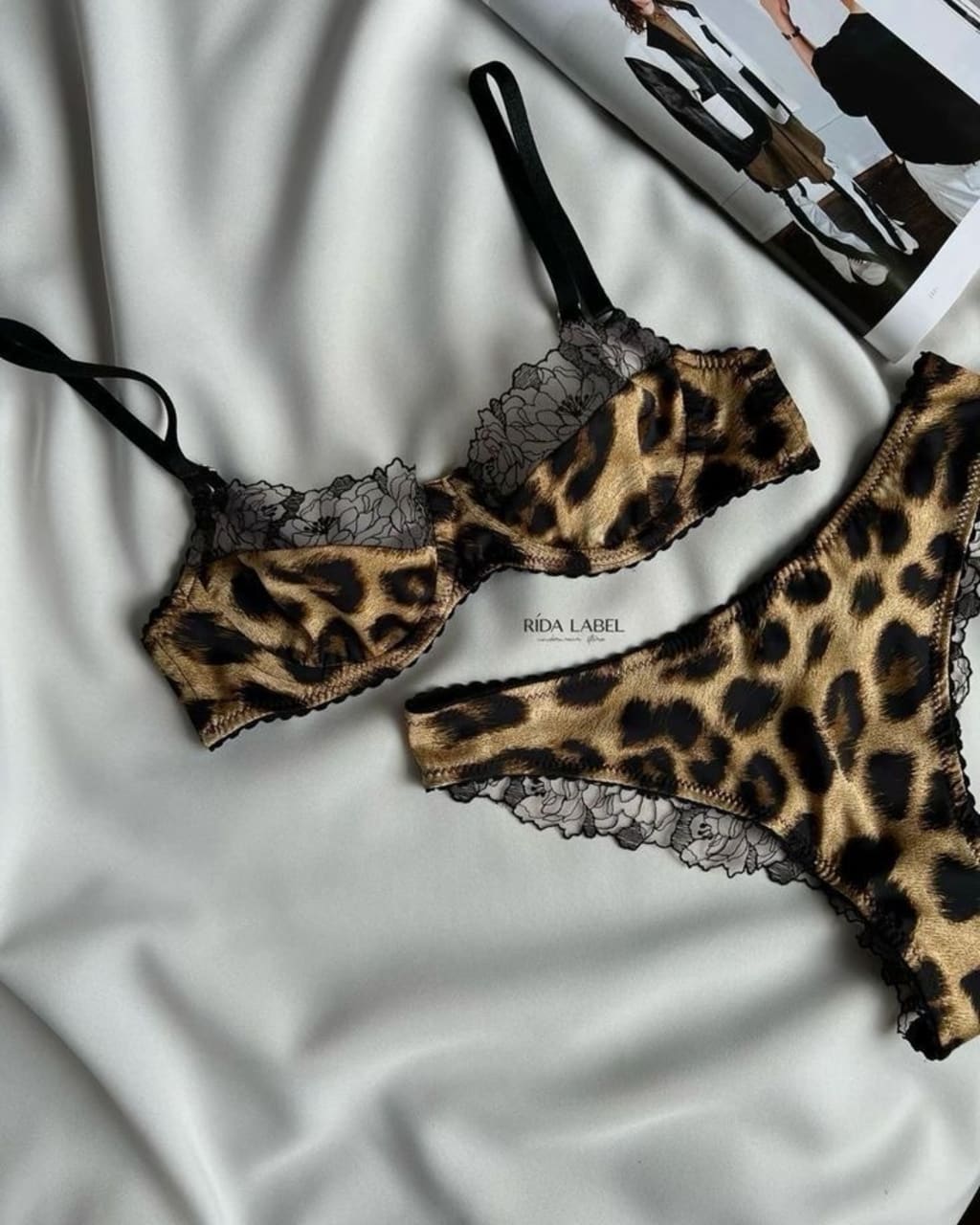
Lingerie, as we know it today, is a complex blend of fashion, comfort, and sensuality. However, the history of lingerie spans centuries, evolving from practical undergarments to intricate pieces of art and self-expression. The development of lingerie is tied closely to societal shifts in gender, fashion, and even technological advancements. From ancient civilizations to the modern-day, the evolution of lingerie reflects changes in both social norms and personal identity.
Ancient and Medieval Foundations: Function Over Form
The history of lingerie begins in antiquity, where the earliest forms of undergarments were designed for modesty, protection, and practicality rather than sensual appeal. In Ancient Egypt, both men and women wore simple linen garments that covered the body from the waist down. These garments, while functional, were the predecessors to modern underwear, serving as the foundation for later innovations in clothing.
In ancient Greece and Rome, women wore a garment known as the strophium or mamillare, a simple band of cloth wrapped around the chest, likely used to support the breasts. Similarly, men wore loincloths for comfort and modesty. These early garments were the beginnings of what would eventually evolve into modern-day lingerie.
During the medieval period in Europe (5th–15th centuries), the idea of undergarments became more closely tied to modesty. Women wore chemises—loose, long shirts made of linen—that served as both a protective layer between the body and the outer garments and as a symbol of modesty. These early chemises were functional, designed to keep outer clothes clean and serve as an underlayer, but they were not yet considered to be “intimate” garments.
The Renaissance and Early Modern Periods: Shaping the Body
By the 16th and 17th centuries, the idea of undergarments began to shift from purely functional to shaping and sculpting the body, particularly to achieve the desired hourglass silhouette. The corset, which would dominate Western fashion for centuries, emerged during this period. Made from whalebone, steel, or leather, corsets were designed to cinch the waist and push the bust upward, creating a figure that adhered to the beauty ideals of the time. While corsets were initially worn by both men and women, they eventually became a hallmark of female fashion.
The invention of the corset represented the start of lingerie as we understand it today: garments designed not just for modesty or protection but to shape and define the female body. The development of corsetry also marked the beginning of the idea of lingerie as an item of personal adornment, connected not just to fashion but to femininity itself.
The 18th and 19th Centuries: Fashion and Restriction
As the centuries progressed, the corset became more refined. By the 18th century, it was an essential part of women’s attire, worn under gowns to create the “wasp waist” and dramatic, exaggerated silhouette that were in vogue. However, this period also saw growing debate about the health risks associated with corsetry. The tight lacing often caused discomfort, and by the late 19th century, medical professionals began to voice concerns about the damaging effects of the corset on women’s internal organs.
In the late 19th and early 20th centuries, societal changes, including the rise of women’s rights movements and increased awareness of health and comfort, began to reshape attitudes toward undergarments. During the Victorian era, women started to wear lighter, more comfortable garments like bust bodices or petticoats, which provided support without the intense restriction of earlier corsets. This period marked a turning point toward comfort and functionality, though the corset was far from gone, continuing to influence the development of lingerie for decades.
The Early 20th Century: The Birth of Modern Lingerie
The early 20th century saw rapid changes in both fashion and technology that transformed the lingerie industry. In 1914, American designer Mary Phelps Jacob patented the first modern brassiere, a more comfortable alternative to the corset. The invention of the bra, which provided support without restricting the body, revolutionized women’s undergarments. This innovation was a direct response to changing fashion trends, particularly the desire for a more natural, less restrictive figure that could accommodate the slim, flowing styles of the 1920s.
During this time, women’s lingerie became more diversified. The invention of the slip and the girdle further enhanced the wardrobe options for women, while also allowing for greater freedom of movement and comfort. These garments were often made of lightweight fabrics like silk, satin, and lace, reflecting the growing trend of lingerie as not just functional but also fashionable and sensual.
The Mid-20th Century: The Rise of Luxury and Sex Appeal
Post-World War II, the 1940s and 1950s marked a significant shift in lingerie, as new materials like nylon and elastane were developed, and mass production allowed for greater accessibility. With the rise of Hollywood glamour and an increasing focus on feminine beauty and sexuality, lingerie became a tool for self-expression, sensuality, and allure. Brands like Playtex, Maidenform, and Victoria’s Secret gained prominence during this time, making lingerie not just a private undergarment but a cultural symbol of femininity.
The 1950s also saw the introduction of the bullet bra, which was designed to create a conical, pointy shape. The “Mad Men” era’s idealized feminine form—waist cinched in, bust enhanced, and hips rounded—was epitomized in lingerie trends. Advertisements during this period presented bras and panties as essential tools for shaping the body to fit society’s narrow ideals of beauty.
The Late 20th Century to the Present: Lingerie as Empowerment and Expression
By the late 20th century and into the 21st, lingerie experienced a surge in both variety and cultural significance. The feminist movement and changing attitudes toward body image and sexuality helped to redefine lingerie as something not only for the male gaze but as a form of personal empowerment. The rise of lingerie as fashion also began to influence the industry, as lingerie became more visible in daily outfits. Designers like Jean-Paul Gaultier and Thierry Mugler used lingerie-inspired pieces in their high-fashion collections, and women began to embrace lingerie as a form of self-expression, comfort, and even political statement.
The 1990s and early 2000s brought the trend of “grunge” lingerie, with sheer fabrics, unstructured bras, and boy shorts becoming more mainstream. At the same time, the popularization of brands like Victoria’s Secret and the global reach of the “Angels” campaign reflected the commercialization of lingerie as a symbol of both luxury and sensuality.
Today, lingerie is more inclusive than ever, with brands focusing on body positivity, diverse sizing, and gender-neutral options. The rise of online shopping and social media has allowed for more personalized and independent choices, with consumers able to select lingerie that aligns with their own preferences, rather than following prescribed standards of beauty. Moreover, the demand for sustainable and eco-friendly lingerie continues to grow, with brands increasingly prioritizing ethical production and materials.
Conclusion
From the ancient linen garments of Egypt to the modern, luxurious lace bras, lingerie has undergone a remarkable transformation over thousands of years. Its evolution mirrors broader shifts in society, including changes in fashion, gender roles, and attitudes toward the female body. Today, lingerie is a complex fusion of fashion, comfort, and self-expression, a far cry from the simple, functional garments of its ancient ancestors. As lingerie continues to evolve in the 21st century, it will undoubtedly remain a powerful symbol of femininity, individuality, and empowerment.
About the Creator
Keep reading
More stories from Matilda Otu and writers in History and other communities.
The Transition to the Renaissance and Renaissance Philosophy: A Rebirth of Human Thought
The Renaissance, a cultural and intellectual movement that spanned roughly from the 14th to the 17th century, marked the dawn of a new era in European history. It represented a profound shift away from the medieval worldview, which was heavily shaped by religious orthodoxy and feudal structures, toward a renewed interest in humanism, individualism, and the classical ideals of ancient Greece and Rome. This transition, driven by a series of historical, cultural, and intellectual developments, had far-reaching effects on art, science, politics, and philosophy. At the heart of this transformation was the flourishing of Renaissance philosophy, which sought to reconcile reason with faith, revitalize classical learning, and explore the potential of human beings as individuals and creators.
By Matilda Otuabout a year ago in History
World War I
The morning fog lay thick over the trenches of northern France, clinging to the earth as if it too feared what was about to happen. Private Thomas Hale pulled his coat tighter around himself, though it did little to stop the cold from seeping into his bones. He had been in the trenches for six months, yet the damp smell of mud, smoke, and fear still felt unfamiliar, like a nightmare he could not wake from.
By Maavia tahir5 days ago in History
Chicago Hospital Held Newborn Baby for 8 Months Over an Unpaid Medical Bill
Debts were handled much differently in the 19th and early 20th century. Back then, people who accrued debt had more to fear than letters and calls from collection agencies the same way we do today, especially if they owed a hospital or doctor money.
By Criminal Matters5 days ago in History
How to Succeed at the Benson Directory®
Congratulations and welcome to the Benson Directory® employee #22391! As our newest call handler, you will have the privilege of speaking with dozens of unique and interesting people on a daily basis as well as the opportunity to earn bonuses for high performance. Contained within this handbook you will find a set of ease to follow instructions designed to help you settle in to your new role and begin paving the way to success.
By S. A. Crawforda day ago in Fiction



Comments
There are no comments for this story
Be the first to respond and start the conversation.