
The Transition to the Renaissance and Renaissance Philosophy: A Rebirth of Human Thought
Renaissance

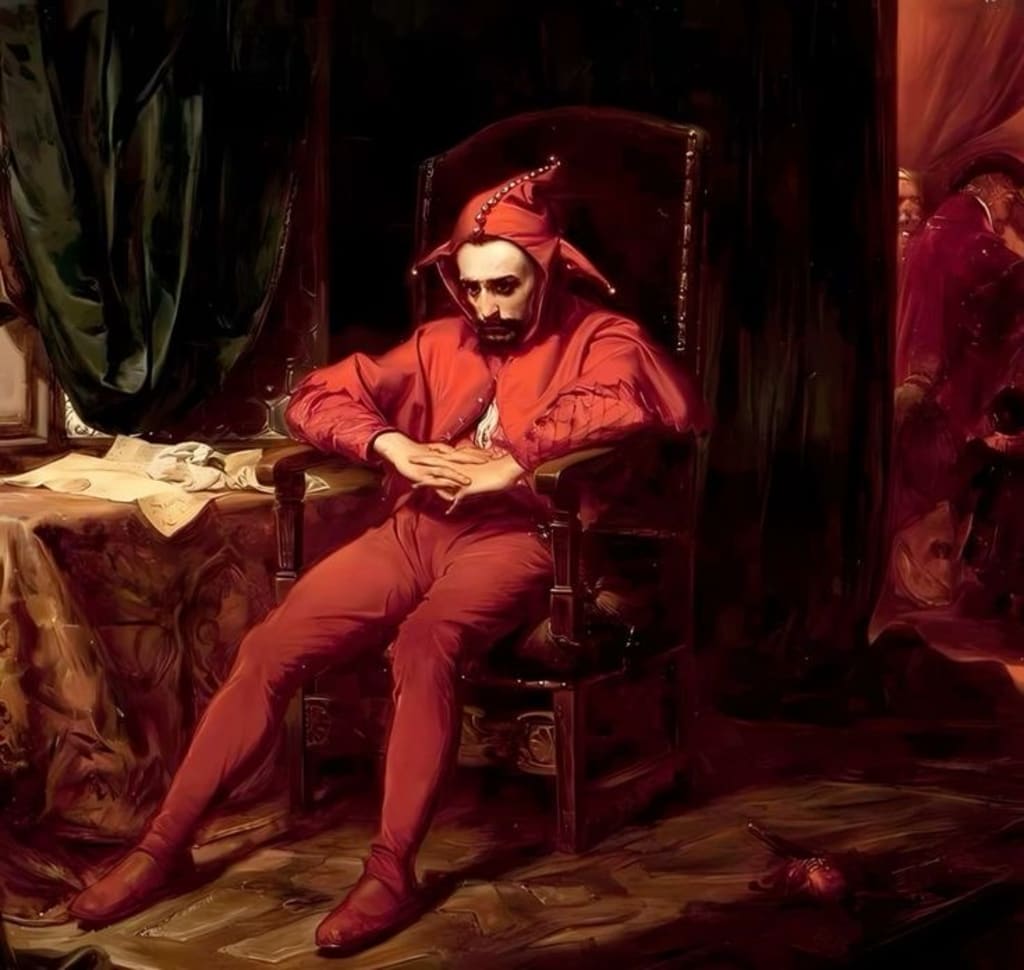
The Renaissance, a cultural and intellectual movement that spanned roughly from the 14th to the 17th century, marked the dawn of a new era in European history. It represented a profound shift away from the medieval worldview, which was heavily shaped by religious orthodoxy and feudal structures, toward a renewed interest in humanism, individualism, and the classical ideals of ancient Greece and Rome. This transition, driven by a series of historical, cultural, and intellectual developments, had far-reaching effects on art, science, politics, and philosophy. At the heart of this transformation was the flourishing of Renaissance philosophy, which sought to reconcile reason with faith, revitalize classical learning, and explore the potential of human beings as individuals and creators.
The Preceding Historical Context: The Middle Ages and the Decline of Feudalism
Before the Renaissance could take shape, Europe had been steeped in the worldview of the Middle Ages, a period characterized by feudalism, religious domination, and a rigid hierarchical structure. The Catholic Church was the central authority, not only in matters of religion but also in intellectual life. Education, such as it was, was primarily conducted in monasteries and universities, and knowledge was filtered through the lens of religious doctrine. Philosophy during the medieval period was largely scholastic, focusing on reconciling faith with reason and interpreting the works of ancient philosophers like Aristotle through a Christian framework.
However, by the 14th century, a series of factors began to break down the foundations of medieval society and culture, paving the way for the Renaissance.
1. The Fall of Constantinople (1453): The conquest of Constantinople by the Ottoman Turks in 1453 led to the migration of Greek scholars to Italy, bringing with them manuscripts of ancient Greek and Roman texts that had been lost or forgotten in Western Europe. This rediscovery of classical works was a crucial turning point in the intellectual revival that characterized the Renaissance.
2. The Black Death (1347-1351): The devastating plague that swept through Europe decimated the population, causing widespread social, economic, and psychological upheaval. The death toll shook traditional religious beliefs, leading many to question established authorities and norms. This, in turn, fostered a climate in which new ideas and the rediscovery of classical antiquity were more readily embraced.
3. The Decline of Feudalism and the Rise of Urbanization: As trade and commerce flourished in the growing cities of Italy, the feudal system that had dominated medieval Europe began to erode. This shift in economic and social structures helped to cultivate a rising merchant and professional class, many of whom became patrons of the arts and learning. These patrons, along with the growth of universities and the spread of printing, helped disseminate new ideas and foster a more secular, human-centered culture.
The Core of Renaissance Philosophy: Humanism
At the heart of the Renaissance intellectual movement was humanism, an intellectual stance that emphasized the value of human experience, reason, and creativity. Humanism was a rebirth of the classical ideals of ancient Greece and Rome, focusing on the study of classical languages, literature, and philosophy. Humanists sought to revive the intellectual traditions of antiquity, while adapting them to the needs of their own time.
Humanism was not simply a revival of ancient learning but a transformative philosophy that encouraged a new way of thinking about humanity’s role in the world. This shift in thought represented a break from the medieval mindset, which had emphasized humanity’s fallenness and dependence on divine grace. Renaissance humanists, by contrast, celebrated the potential of human beings to reason, create, and improve the world around them.
1. Focus on the Individual: Renaissance humanism placed the individual at the center of intellectual and artistic life. Thinkers like Petrarch and Giovanni Pico della Mirandola argued for the importance of personal achievement, self-expression, and intellectual curiosity. The human body and the human experience became the focus of artistic and philosophical exploration, evident in the works of artists like Leonardo da Vinci and Michelangelo.
2. The Rediscovery of Classical Antiquity: Humanists turned to ancient Greek and Roman texts, reviving the works of philosophers such as Plato, Aristotle, and Cicero, as well as ancient poets and historians. By studying these classical texts, humanists sought to understand the nature of virtue, ethics, and the human condition. This emphasis on classical learning and philosophy was seen as a way to guide society back to a more enlightened and rational state.
3. Secularism and the Embrace of Reason: While Renaissance thinkers did not reject religion, there was a noticeable shift toward a more secular approach to life. Humanism emphasized the potential for human reason and action to shape the world. This secular focus allowed for the flourishing of art, science, and politics without being solely governed by religious dogma. The Renaissance saw the rise of prominent thinkers like Niccolò Machiavelli, whose works such as The Prince (1513) offered a secular analysis of political power and governance.
Renaissance Philosophy: Key Thinkers and Ideas
1. Petrarch (1304–1374): Often called the “father of humanism,” Petrarch was instrumental in reviving interest in classical literature and philosophy. He is known for rediscovering and preserving the writings of ancient Roman authors, such as Cicero. Petrarch believed that the study of classical texts could help people live virtuous and fulfilling lives. His work emphasized the importance of intellectual self-improvement and the pursuit of wisdom.
2. Giovanni Pico della Mirandola (1463–1494): In his work Oration on the Dignity of Man (1486), Pico famously argued that humans were endowed with the unique ability to shape their own destiny. He proposed that human beings, created in God’s image, could transcend their earthly limitations through intellectual and spiritual growth. His ideas encapsulated the Renaissance ideal of human potential and the belief in the capacity for personal transformation.
3. Niccolò Machiavelli (1469–1527): A key figure in Renaissance political thought, Machiavelli’s work The Prince revolutionized the way politics and power were understood. His pragmatic, sometimes ruthless advice to rulers rejected the medieval Christian notion of politics and instead emphasized realpolitik—a politics of power, strategy, and manipulation, independent of moral or religious considerations. While controversial, Machiavelli’s work laid the groundwork for modern political philosophy.
4. Desiderius Erasmus (1466–1536): A leading figure in the Northern Renaissance, Erasmus blended Christian faith with humanist philosophy. In works like In Praise of Folly (1509), he critiqued the corruptions of the Catholic Church and advocated for a return to the teachings of Jesus and a more personal, rational form of religious practice. Erasmus’s blend of religious and humanist ideas would profoundly influence the Protestant Reformation and the development of modern Western thought.
5. Michel de Montaigne (1533–1592): A French philosopher best known for his Essays, Montaigne introduced a new form of reflective, self-exploring writing that examined human nature, morality, and personal experience. His emphasis on skepticism and the subjective nature of knowledge laid the groundwork for the development of modern psychology and philosophy.
The Renaissance Legacy: The Birth of Modern Thought
The Renaissance was a time of intellectual rebirth, and its influence on Western philosophy can still be felt today. Renaissance philosophers emphasized the potential for human beings to reason, create, and change the world around them. Their focus on classical learning, individualism, and secularism helped lay the foundations for the Enlightenment, which would further develop ideas about human rights, democracy, and scientific inquiry.
In art, literature, and science, the Renaissance sparked a wave of innovation that would continue to shape Western culture. Thinkers like Galileo and Copernicus challenged medieval conceptions of the universe, while artists like Leonardo da Vinci and Raphael explored the human body and its relationship to the natural world. The Renaissance was not just a cultural movement; it was a revolution in the way people thought about themselves, their potential, and the world around them.
Conclusion: A New Dawn of Intellectual Exploration
The transition to the Renaissance was marked by a reawakening of interest in the classical world and a profound shift in human thought. Renaissance philosophy, with its emphasis on humanism, secularism, and individual potential, marked the beginning of modern philosophy and laid the groundwork for the intellectual and cultural transformations that would follow. By rediscovering ancient knowledge and placing humanity at the center of intellectual life, Renaissance thinkers helped usher in a new era that celebrated reason, creativity, and the endless possibilities of human achievement. This period of intellectual flourishing continues to shape the way we approach art, science, politics, and philosophy today.
About the Creator
Keep reading
More stories from Matilda Otu and writers in History and other communities.
Religious Cults in Ancient Societies: Beliefs, Practices, and Influence
Religious cults have been a fundamental aspect of human civilization since antiquity. In ancient societies, cults were not necessarily viewed in the negative light that the term might evoke today. Instead, cults represented structured, ritualistic practices dedicated to specific deities, forces, or supernatural entities. These cults were pivotal to the social and political landscapes of their time, shaping everything from public rituals to personal identities. This article explores the role of religious cults in ancient societies, delving into their beliefs, practices, and broader societal influence.
By Matilda Otuabout a year ago in History
Corruption's Impact On Society
Corruption, a term with a broad spectrum of definitions, is often a result of government officials overpowering legal policies. Corruption can weaken the ideal democracy within a nation, erode trust in the relationship between the government and society, and exacerbate inequality and poverty. Forms of this act can include bribery, lobbying, extortion, cronyism, nepotism, parochialism, and embezzlement. Furthermore, corruption is the deterioration of moral and ethical standards that are characterized by the prioritization of personal gain over public good, abuse of power, and a lack of transparency.
By Katherine Roteman7 days ago in History
Understanding the Insurrection Act
The Insurrection Act is one of the most powerful and least understood laws in American history. Often mentioned during times of national unrest, it gives the president authority to deploy federal troops within the United States under specific circumstances. While it is rarely used, public interest in the law has grown in recent decades, leading many to ask: what is the Insurrection Act, and why does it matter today? What Is the Insurrection Act? To put it simply, the Insurrection Act of 1807 is a federal law that allows the president to use the U.S. military to suppress civil disorder, insurrection, or rebellion when state authorities are unable or unwilling to do so. If you are wondering what is the Insurrection Act used for, the answer lies in restoring order when local and state governments can no longer maintain public safety. People often search phrases like what is insurrection act or even the misspelled insurection act because the law tends to resurface during moments of crisis. Despite the confusion around its name, the authority it grants is very real and legally binding. What Is the Insurrection Act of the U.S.? So, what is the Insurrection Act of the US in legal terms? It is a collection of statutes now codified under Title 10 of the U.S. Code. The act provides exceptions to the Posse Comitatus Act, which generally prohibits the military from acting as domestic law enforcement. Under the Insurrection Act, the president can federalize the National Guard or deploy active-duty troops if constitutional rights are being violated or if violence prevents the execution of federal law. This is why many people ask, what is the Insurrection Act USA, especially when protests or riots dominate national headlines. The Insurrection Act and Its Historical Use Throughout American history, the act has been invoked sparingly but decisively. One of the most notable examples often referenced is the Insurrection Act 1992, when President George H. W. Bush deployed federal troops to Los Angeles following the Rodney King verdict. Local authorities had lost control, and the federal government stepped in to restore order. Earlier uses date back to the Civil War era and the Civil Rights Movement. Presidents Eisenhower and Kennedy relied on the act to enforce school desegregation in Southern states when state governments resisted federal court orders. These moments illustrate what the Insurrection Act is used for at its core: enforcing the rule of law when normal systems fail. Trump and the Insurrection Act In modern political discourse, the law became widely discussed during the presidency of Donald Trump. Searches for Trump Insurrection Act or Insurrection Act Trump surged during periods of nationwide protests, particularly in 2020. Although the act was never formally invoked during those protests, President Trump publicly considered its use, bringing renewed attention to the scope and limits of presidential power. The phrase insurrection act invoked often appears in news coverage, but it is important to note that discussing invocation and actually using the law are two very different things. The debate surrounding Trump Insurrection Act scenarios highlighted concerns about civil liberties, federal overreach, and the balance of power between states and the federal government. What Is the Insurrection Act in Minnesota? A common question during periods of regional unrest is what is the Insurrection Act in Minnesota or in other specific states. Legally, the act does not change from state to state. However, its application depends on circumstances within a particular state. If a governor requests federal assistance or if the president determines that constitutional rights cannot be protected locally, the Insurrection Act may apply. Minnesota, like every other state, falls under the same federal framework. The law does not target any single state; it responds to conditions on the ground. What Is the Insurrection Act Used For Today? In today’s environment, many Americans ask, what is the Insurrection Act used for in a modern democracy with established institutions. Supporters argue it is a necessary safeguard for extreme emergencies. Critics counter that it grants sweeping powers that could be misused if political tensions escalate. Understanding what is the Insurrection Act? requires recognizing that it is both a legal tool and a symbol. Its mere mention can influence public perception, markets, and political debate, even when it is not formally applied. Ongoing Debate and Public Concern The Insurrection Act remains controversial because it sits at the intersection of security and freedom. While it has been used to protect civil rights in the past, critics worry about potential misuse in polarized times. This tension explains why questions like what is the Insurrection Act of the US continue to trend whenever civil unrest occurs. Ultimately, the law reflects a fundamental challenge in governance: how to maintain order without undermining democracy. The fact that it has existed since 1807 and remains largely unchanged shows both its durability and its complexity. Final Thoughts The Insurrection Act is not a law that affects daily life, but it plays a critical role during extraordinary moments. From the Insurrection Act of 1807 to discussions around Insurrection Act 1992 and Insurrection Act Trump, its history mirrors the nation’s struggles with unity, authority, and rights.
By Saboor Brohi 4 days ago in History




Comments
There are no comments for this story
Be the first to respond and start the conversation.