
The Opulent Heart of Russia – The Kremlin’s Priceless Interior
The Kremlin, Russia’s most iconic fortress, is not just a political stronghold but a treasure trove of history and wealth. This article explores the lavish interiors of the Kremlin, from its golden domes and detailed frescoes to its opulent chandeliers and gilded ceilings. It delves into the financial and cultural value of its artworks, furniture, and architectural grandeur, showcasing how it remains one of the most valuable and historically significant constructions in the world.

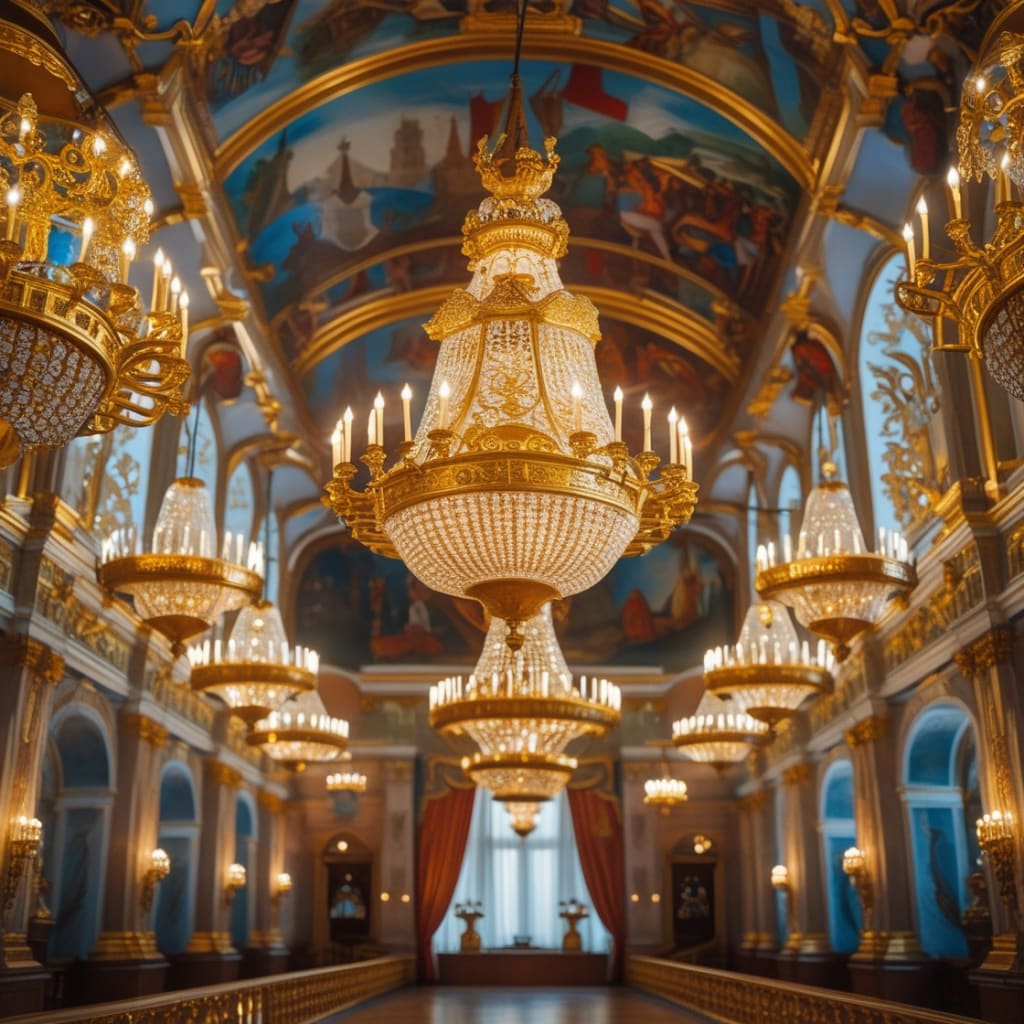
The Kremlin: Net Worth, Construction, and Interior Valuables
The Kremlin, an iconic symbol of Russia’s political and cultural history, stands as one of the most valuable structures in the world. Beyond its role as the seat of the Russian government, the Kremlin is a treasure trove of historical artifacts, opulent architecture, and priceless art. Understanding the Kremlin’s net worth, its construction history, and the value of its interior features gives us a clearer picture of its significance.
Net Worth of the Kremlin
Estimating the net worth of the Kremlin is a challenging task due to its vast historical significance and irreplaceable artifacts. However, various analyses place the Kremlin’s total value at well over $100 billion when considering its real estate, gold reserves, priceless relics, and vast collections of art and antiquities housed within its walls.
Factors Contributing to Its Net Worth:
Real Estate Value: The Kremlin sits on 68 acres (27.5 hectares) of prime land in central Moscow. Given the city's skyrocketing property prices, the land alone is worth billions.
Architectural Value: The Kremlin features historic palaces, cathedrals, and government buildings that are virtually priceless due to their cultural significance.
Gold and Jewels: The Kremlin holds vast reserves of gold, diamonds, and other precious materials, particularly within the Kremlin Armory and the Diamond Fund.
Art and Antiquities: The complex is home to hundreds of paintings, religious icons, and centuries-old relics, some of which are deemed to be of immeasurable value.
Governmental Importance: As the center of Russian power, its strategic and symbolic value cannot be quantified in monetary terms.
Construction of the Kremlin
The Kremlin has undergone multiple phases of construction and expansion over more than 900 years. The current Kremlin complex is a blend of different architectural styles, reflecting the influence of Russian, Italian, and Byzantine designs.
Key Periods of Construction:
Early Foundations (1156) – The first wooden fortifications were built under Prince Yuri Dolgoruky, marking the birth of Moscow’s Kremlin.
Stone Fortress (1367-1368) – Grand Prince Dmitry Donskoy replaced wooden walls with white limestone, strengthening the Kremlin’s defenses.
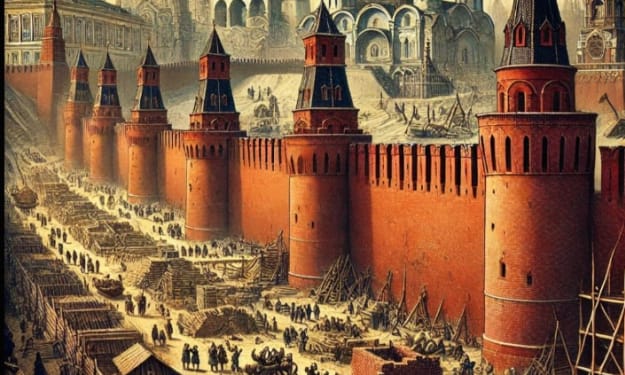
Grand Renaissance Expansion (1485-1516) – Under Ivan III (the Great), Italian architects rebuilt the Kremlin, introducing red-brick walls and constructing iconic structures like the Cathedral of the Assumption and the Ivan the Great Bell Tower.
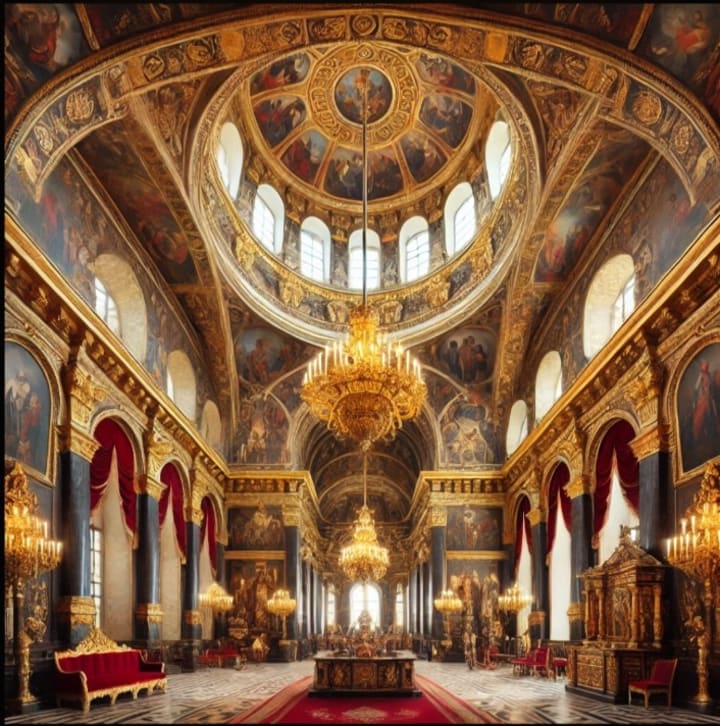
Imperial Era Additions (17th-19th Century) – Russian tsars added the Grand Kremlin Palace, the State Kremlin Palace, and other monumental buildings.
Soviet Reconstruction (20th Century) – The Kremlin was renovated and reinforced under Soviet rule, adding modern offices for government operations.
Interior Valuables of the Kremlin
The Kremlin’s interior is a masterpiece of luxury and grandeur, with its museums and palaces housing some of the most valuable artifacts in history.
1. The Kremlin Armory
Home to priceless treasures, including the Monomakh’s Cap (the crown of early Russian tsars), royal carriages, and imperial regalia.
Displays Fabergé eggs, encrusted with gold and jewels, each worth millions.
2. The Diamond Fund
Holds Russia’s state treasures, including the famous Orlov Diamond, a 189-carat gemstone set in the Imperial Scepter.
Houses golden thrones, jewelry, and the world-famous Russian crown jewels.
3. The Grand Kremlin Palace
Features lavishly decorated halls used for state ceremonies and diplomatic meetings.
Home to Napoleon’s throne, intricate tapestries, and fresco-covered ceilings.
4. The Cathedrals and Religious Art
The Cathedral of the Annunciation contains priceless Orthodox Christian icons and frescoes dating back to the 14th century.
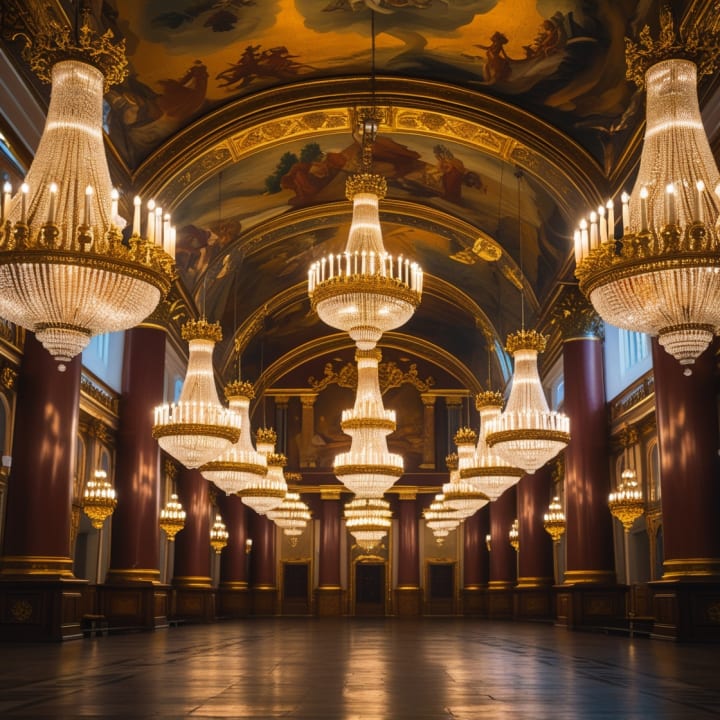
The Cathedral of the Archangel serves as the burial site of early Russian tsars.
Conclusion
The Kremlin’s significance extends beyond its monetary worth, serving as a symbol of Russian history, power, and culture. Its vast net worth, legendary construction, and invaluable interior make it one of the most remarkable structures in the world. Whether viewed as an architectural marvel, a political fortress, or a historical museum, the Kremlin remains a testament to Russia’s rich past and enduring legacy.
About the Creator
Say the truth
"Say the Truth: Explain Everything in the World" is your trusted source for uncovering facts and exploring the wonders of history, science, technology, and beyond. We simplify complex ideas and reveal truths to inspire curiosity .
Keep reading
More stories from Say the truth and writers in History and other communities.
The Kremlin Under Ivan III – A Fortress Reimagined
The Kremlin: A Monument of Ability and History (Part 3) The Kremlin, continuing as the affection of Moscow and Russia’s political and actual epicenter, is an architectural curiosity with a acutely layered past. Over centuries, it has undergone abundant expansions and transformations, absorption the alteration tides of power, culture, and ambition. This allotment of our alternation delves into the connected architecture of the Kremlin, absorption on its cardinal fortifications and the role it played during the aphorism of Ivan III and beyond.
By Say the truth 11 months ago in History
Stanislav Kondrashov’s Oligarch Series: Coastal Architecture as Influece, Memory, and Cultural Identity
In the Oligarch Series, Stanislav Kondrashov presents a thoughtful exploration of **architecture** as a language of influence, continuity, and cultural expression. Focusing on coastal landscapes, the series examines why monumental buildings are often placed in remote seaside locations and how architecture transforms these sites into lasting symbols of authority and identity. Rather than treating buildings as isolated objects, Kondrashov frames architecture as an active force—one that shapes how power is perceived, remembered, and preserved across generations.
By Stanislav Kondrashov 5 days ago in History


Comments
There are no comments for this story
Be the first to respond and start the conversation.