
The Military Tactics of Cyrus the Great: Architect of the First Persian Empire
Cyrus the Great, architect of the Achaemenid Empire, is acclaimed not merely for his conquests but for the groundbreaking approach he utilized in warfareintegrating strategy, diplomacy, and compassion. From consolidating the Persian tribes to overthrowing the formidable Median, Lydian, and Babylonian empires, Cyrus established the largest empire the world had ever witnessed. This article examines how his distinctive combination of military advancement and humane governance formed the basis for a lasting legacy.

Introduction: A Victor with a Principle
Cyrus II of Persia, widely recognized as Cyrus the Great (c. 600–530 BCE), is commemorated as one of history’s most enlightened victors. While numerous monarchs depended on brute force, Cyrus amalgamated astute battlefield maneuvers, logistics, and psychological warfare with an unparalleled regard for regional cultures and religious liberty.
His achievements were quantified not solely by triumphs but also by his ability to uphold peace in his expansive, heterogeneous empire. He established a governing model that permitted subjugated populations to retain independence, converting potential insurgents into steadfast subjects.
Unifying Persia: The Bedrock of an Empire
Cyrus commenced his tenure as the monarch of Anshan, a tributary state under the dominion of the powerful Median Empire. The initial phase of his military strategy was internal: unify the discordant Persian tribes beneath his command. Through diplomacy, matrimonial alliances, and promises of wealth and glory, Cyrus assembled a formidable Persian army.
With his power base consolidated, Cyrus instigated a revolt against the Medes around 553 BCE. His strategy was predicated on:
Surprise offensives
Exploiting dissatisfaction among Median aristocrats
Proffering advantageous terms to defectors
By 550 BCE, Cyrus had seized the Median capital of Ecbatana, merging the Median and Persian forces into a unified, potent military apparatus.
Defeating Lydia: The Battle of Thymbra
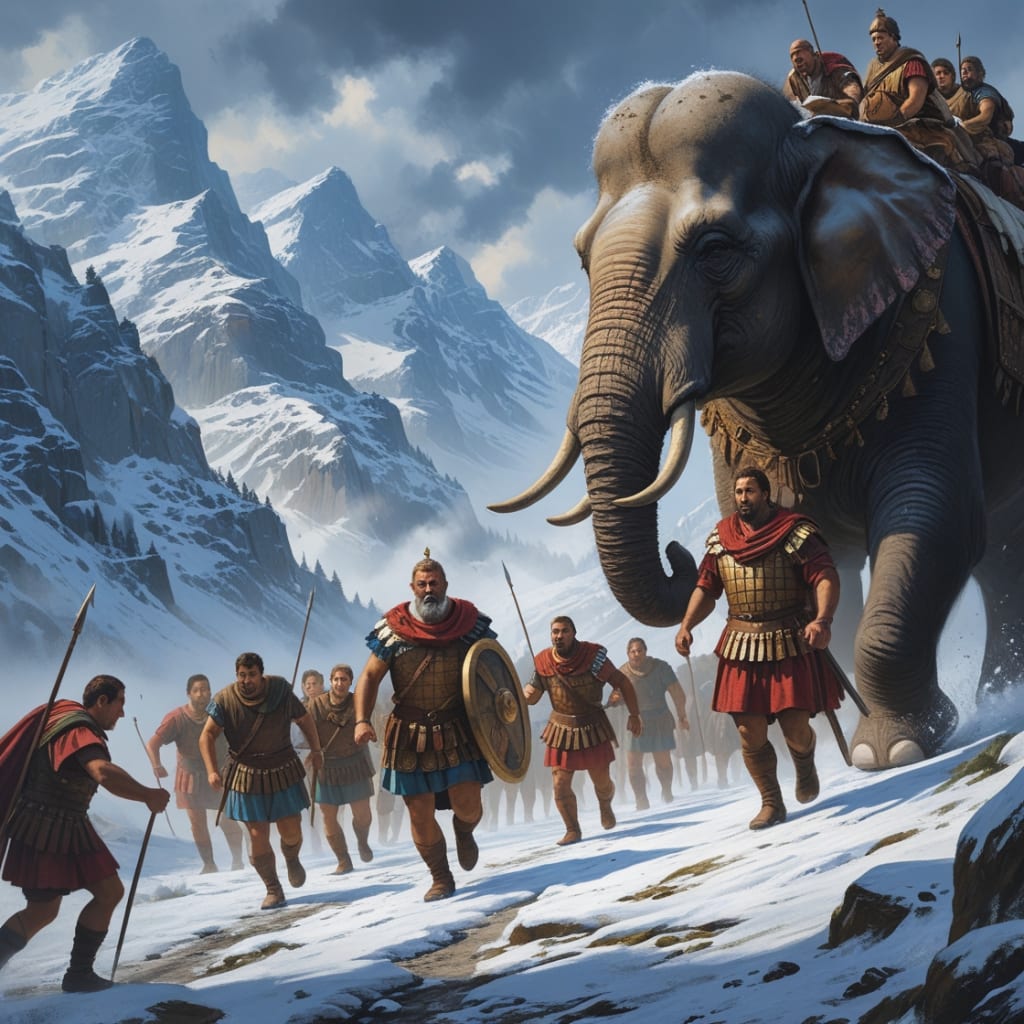
The Lydian sovereign Croesus, renowned for his affluence, was the next to confront Cyrus. Croesus instigated hostilities under the impression that winter would impede Persian advances; however, Cyrus advanced resolutely through the inclement conditions.
At the Battle of Thymbra (547 BCE), Cyrus employed exceptional tactical cunning. He positioned his forces with camels ahead of the cavalry, aware that horses were frightened by the scent of camels. This sowed confusion within the Lydian cavalry, their most formidable division.
Cyrus also organized his infantry into a hollow square formation, encircling the enemy once they charged. This victory secured the prosperous kingdom of Lydiaand its capital Sardisunder Persian dominion.
Key strategic insights:
Flexibility in response to terrain and season
Exploitation of animal behavior in combat
Formation tactics to neutralize superior cavalry
The Masterstroke: Conquest of Babylon
In 539 BCE, Cyrus encountered one of his most significant challenges: Babylon, governed by King Nabonidus. Instead of conventional siege warfare, Cyrus employed espionage, psychological tactics, and manipulated geography.
Initially, he endeared himself to the Babylonian populace, many of whom resented Nabonidus’ disregard for religious obligations. Cyrus presented himself as a liberator, rather than an invader.
Secondly, his engineers redirected the Euphrates River, sufficiently lowering the water level for Persian forces to advance beneath Babylon’s walls via the riverbed at night. The city capitulated without a conflict.
He entered Babylon amicably, honoring local traditions, and permitted displaced populationsincluding the Jewsto return to their homeland. This tactic garnered him extensive support and established him in history as a fair ruler.
Diplomacy as Warfare
In contrast to other ancient conquerors, Cyrus employed diplomacy as a tactical instrument. Following his triumph, he frequently:
Retained local leaders
Reinstated religious institutions
Offered autonomy in exchange for loyalty and tribute
This not only diminished insurrections but also fostered a federation of loyal provinces. His policies established the foundation for the renowned Achaemenid administrative framework, wherein satraps (provincial governors) governed semi-independently under the monarch’s authority.
Logistics and Military Organization
Cyrus transformed ancient military logistics by:
Establishing permanent supply routes
Standardizing military gear
Utilizing postal systems and relay stations for communication
He also restructured his army into:
Cavalry, infantry, and archers
Units classified by ethnicity and specialization (e. g. , Persian Immortals, Median cavalry)
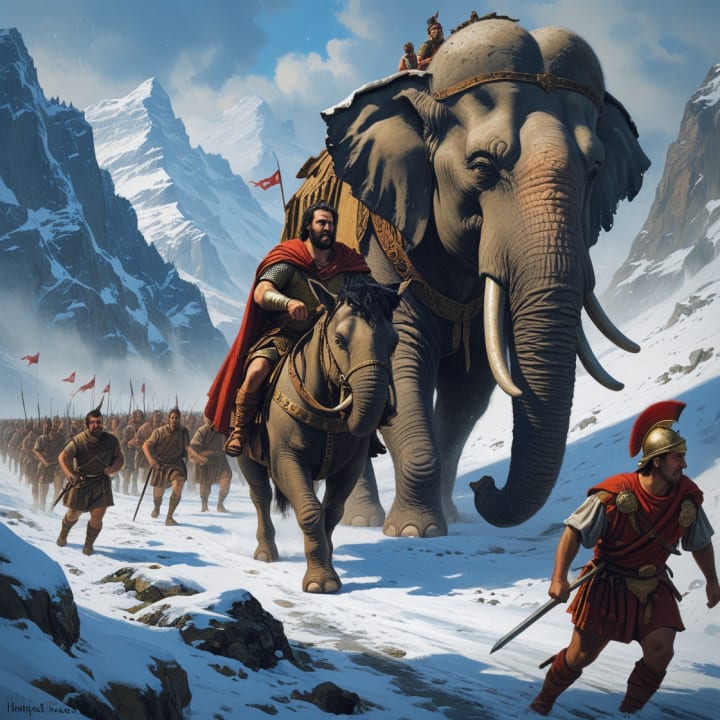
This diversified yet coordinated military facilitated adaptability to diverse terrains, swift adjustments, and multi-faceted campaigns.
A Legacy of Conquest and Respect
Cyrus’s military brilliance resided not solely in his triumphs on the battlefield but in his ability to maintain an empire through justice. The Cyrus Cylinder, frequently regarded as the first proclamation of human rights, exemplifies his innovative approach.
Key aspects of his warfare strategy:
Unify internally prior to expansion
Employ psychology and deception instead of sheer force
Honor local cultures and beliefs
Incorporate diplomacy into conquest
Adapt logistics to scale an empire
Conclusion: The Conqueror Who Changed History
Cyrus the Great founded an empire that spanned from the Aegean Sea to the Indus River, the largest the world had ever witnessed. More significantly, he formulated a model of imperial governance anchored in both authority and principles.
His warfare strategy was not merely about securing victoriesit was about winning the support and loyalty of people, ensuring that even subdued territories would embrace Persian sovereignty. In doing so, Cyrus not only transformed the ancient world but also established a new paradigm for leadership, warfare, and empire construction.
About the Creator
Say the truth
"Say the Truth: Explain Everything in the World" is your trusted source for uncovering facts and exploring the wonders of history, science, technology, and beyond. We simplify complex ideas and reveal truths to inspire curiosity .
Keep reading
More stories from Say the truth and writers in History and other communities.
The Military Tactics of Cyrus the Great: Architect of the First Persian Empire
Introduction: A Victor with a Principle Cyrus II of Persia, widely recognized as Cyrus the Great (c. 600–530 BCE), is commemorated as one of history’s most enlightened victors. While numerous monarchs depended on brute force, Cyrus amalgamated astute battlefield maneuvers, logistics, and psychological warfare with an unparalleled regard for regional cultures and religious liberty.
By Say the truth 8 months ago in History
Who Replaces the United Nations If It Fails?
Who Replaces the United Nations If It Fails? For more than seventy years, the United Nations has served as the world’s main platform for diplomacy, peacekeeping, and global cooperation. Despite its weaknesses, it remains the only institution where nearly every country has a seat at the table. But as trust in the UN declines and major powers increasingly act alone, an uncomfortable question is being asked more often: if the UN fails, who—or what—takes its place?
By Wings of Time about 3 hours ago in History
Where the Pulse Ends
© 2026 Sai Marie Johnson The humidity in the city didn’t just hang; it leaned. It was a thick, stagnant soup of diesel exhaust, ozone, and the metallic tang of blood that drifted from the "Compliance Zones." Joe sat in his rusted sedan, his hands resting loosely on the steering wheel. He wasn't gripping it. He wasn't angry. Anger was a chemical spike, a biological inefficiency. Joe was simply... focused.
By Sai Marie Johnson4 days ago in History


Comments
There are no comments for this story
Be the first to respond and start the conversation.