
The Man Who Inspired James Bond
Ian Fleming was friends with the man who in part inspired the iconic spy

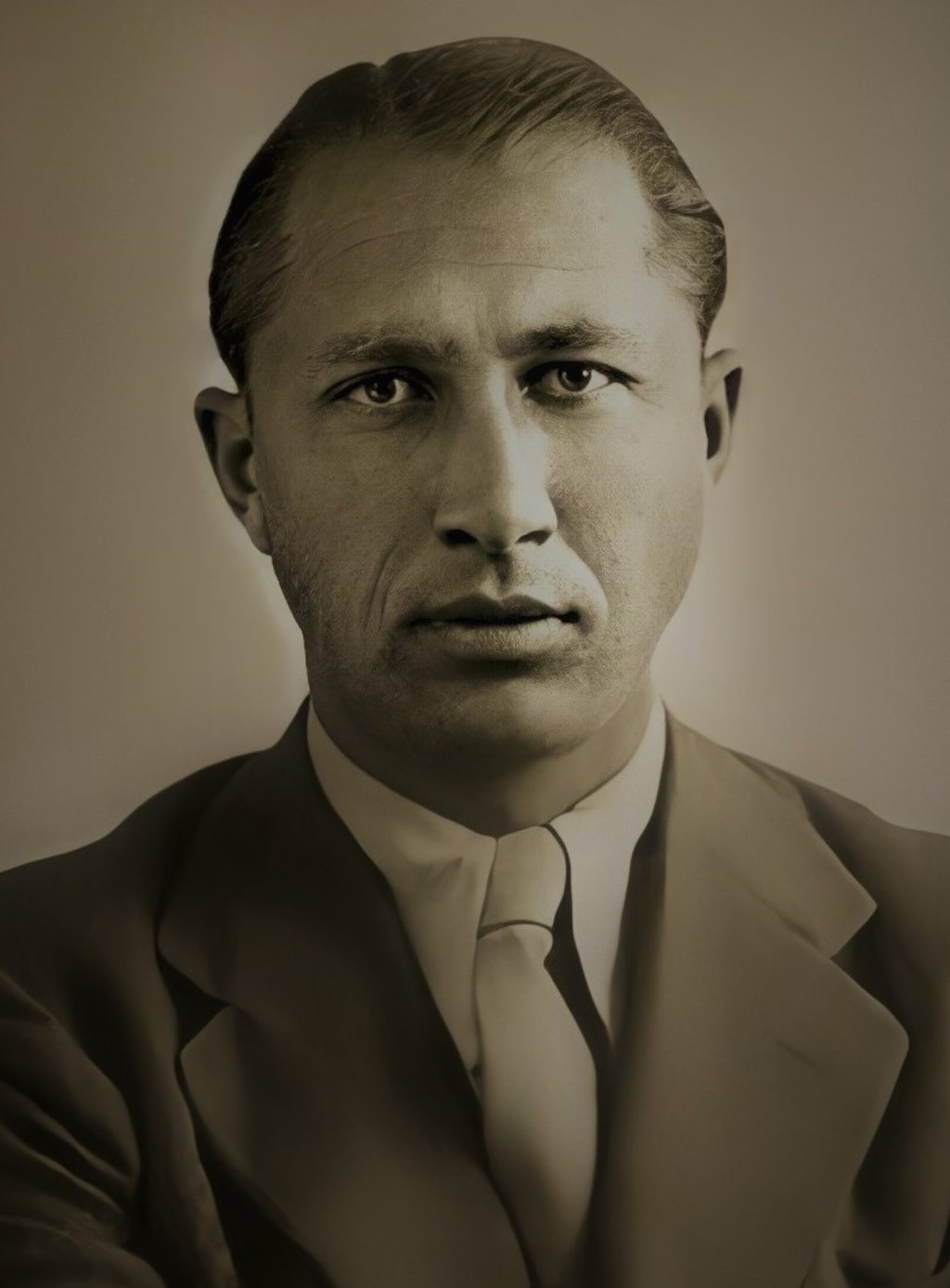
It was Popov, Dusko Popov, who inspired Ian Fleming to create James Bond. He was a spy in World War II. The man worked hard and played even harder.
At first, he loved the ladies, and they loved him back. His playboy ways suited his career well, but they didn't serve him well at home.
The playboy lifestyle he lived throughout his life caused friends to call him "Tricycle", since he enjoyed sharing his bed with two partners. His crude nickname followed him all the way to his future career as a spy.
Because of their shared passions of chasing women, his rebellious attitude, and his love for sports cars led him to meet his best friend, Johann Jebsen. The boys bonded over their experiences as scions of wealthy families, and the hobbies they shared.
Another commonality between Dusko and his friend was their hatred of Nazis. This was unpopular at the time in Germany, but Dusko was not shy about expressing his views.
A few days before Dusko was set to leave for Paris to celebrate his graduation in 1937, the Gestapo arrested him. He was held in jail under dubious charges. And the guards tortured him.
Several days after Dusko's arrest, Jebsen called his friend's father, who was connected to the Yugoslav president. After a few phone calls, the prisoner was released.
It took Dusko three years to repay Jebsen's favor. In 1940, his friend called in the debt by asking Dusko to join Germany's military intelligence service.
Given his hesitance, he talked to officials in the United Kingdom. The British government that encouraged Dusko to join the Nazi's intelligence service, and he was to report to them. He agreed to the terms.

The Same On Both Sides
The German military liked Dusko's work. He provided them with information that they believed would help them win the war. They paid him plenty for his lifestyle.
His information was coming from the British government, but they didn't realize it.
When Dusko put into motion an audacious plan in 1941, code-named Operation Midas, he wanted to use German assets to establish a spy ring in London. When the Germans heard about it, they jumped at the opportunity.
Dusko's information was trusted, but the Germans worried about how he spent the money. They feared he might gamble the money away, so they sent Ian Fleming with him to keep watch.
In a casino in Portugal, a Lithuanian businessman boasted that he would match any bet placed at the baccarat table he was sitting at. This irked Dusko.
Calling the bluff of the businessman, Dusko put up $50,000 that was designated for the spy ring. People around the table were shocked, but none more so than the other gambler.
The businessman balked. He asked the casino for assurance it would cover his debt if he lost. After being told that would not happen, the other man walked away.
So impressed was Ian that he included the scene in his first James Bond novel, Casino Royale.
Operation Midas was a success.

Operation in the U.S.
As a result of the Germans' satisfaction with the London spy ring, Dusko was given the task of replicating it in the United States.
The Nazis specifically wanted information on the Pearl Harbor Naval Base. This raised the question of whether the Nazis were aware of Japan's attack plan. The majority say no, but there seems to be some evidence that someone within the German intelligence community knew.
Despite Dusko's warnings, the FBI Director, J. Edgar Hoover, refused to meet with the double agent because he disliked him.
In addition to his reputation, J. Edgar disliked Dusko for having an affair with a married movie star, during which the spy revealed his identity.
On December 7, 1941, the United States entered World War II after Pearl Harbor was attacked.
As the US entered the war, the British government launched Operation Overlord, designed to end the war. It, in part, had Dusko and other spies give the Nazi's bad information.
Several double agents notified the Germans that Calais or Dieppe would be invaded rather than Normandy. As Normandy invaded, the Nazis held back their troops, anticipating a bigger invasion.
In the years following the war, Dusko retired to Paris and remained out of the limelight except for the publication of his memoir in 1974. Dusko died in 1981 after living a hard life.
About the Creator
Edward Anderson
Edward writes queer led stories that show that the LGBTQIA+ characters lives are multifaceted.
Keep reading
More stories from Edward Anderson and writers in History and other communities.
The Legend of a Ship That Sank Three Times
Most of the time when a ship sinks, it only happens once. It usually only takes one trip to the bottom of a lake or ocean for a boat to disappear from the world. But The Nucleus was not an ordinary vessel. Instead, it seemed to have nine lives and a string of very bad luck attached to it.
By Edward Anderson9 months ago in History
The 1969 Libyan Coup: How Muammar Gaddafi Overthrew the King
On September 1, 1969, Libya experienced a dramatic political transformation when a group of young military officers staged a coup that overthrew the country’s monarchy. The revolution ended the rule of King Idris I of Libya and brought a 27-year-old army officer, Muammar Gaddafi, to power. What made this event remarkable was not only its success but also the fact that it was almost entirely bloodless. Within hours, the monarchy that had ruled Libya since independence collapsed, and a new revolutionary government emerged.
By Irshad Abbasi 3 days ago in History


Comments
There are no comments for this story
Be the first to respond and start the conversation.