
The Last Samurai: The Story of Saigo Takamori
How one man’s fight for honor became the symbol of Japan’s transformation.

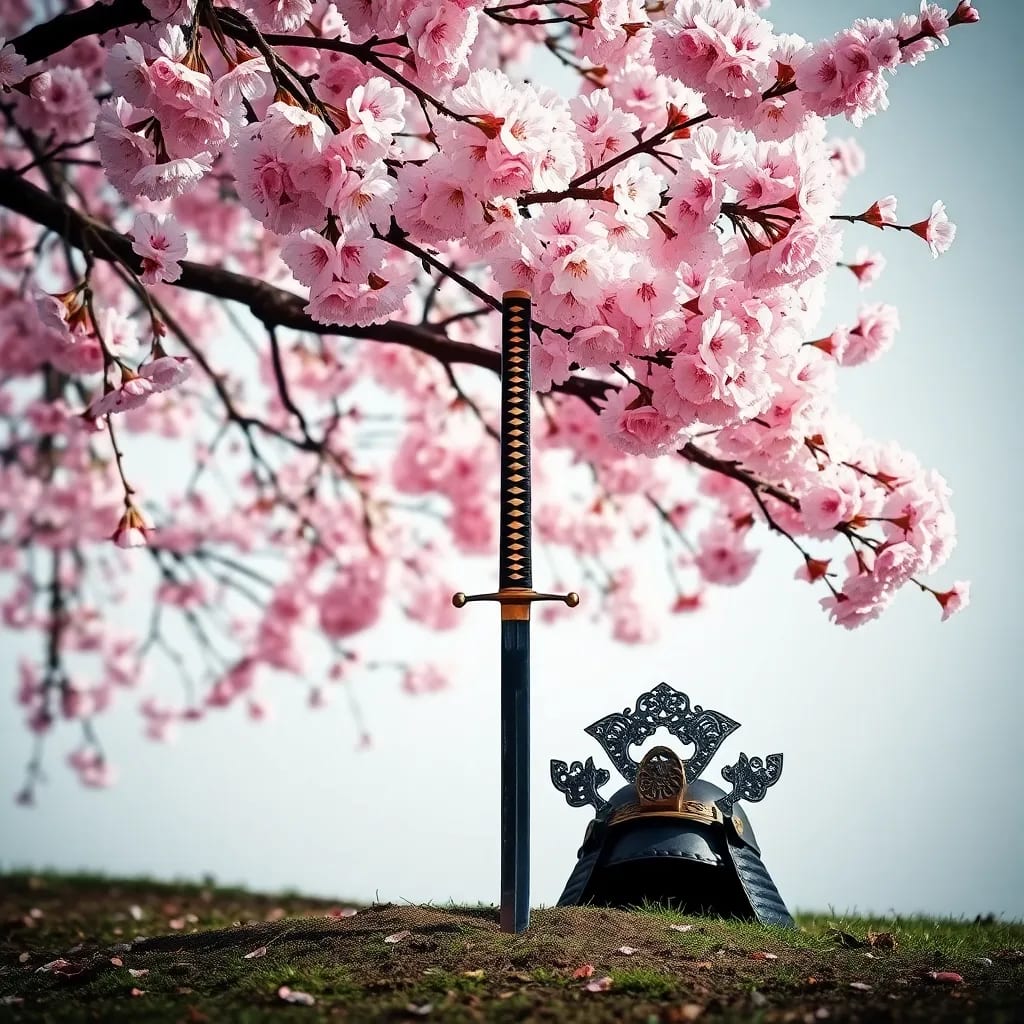
In the annals of Japanese history, few figures have captured the imagination and reverence of the nation quite like Saigo Takamori, often referred to as “The Last Samurai.” A warrior, a visionary, and a tragic hero, Saigo's life embodies the turbulent transformation of Japan from a feudal society to a modern state. His story is one of deep honor, resistance to change, and ultimate sacrifice—a tale that continues to resonate in both historical and cultural discussions around the world.
Who Was Saigo Takamori?
Born in 1828 in Kagoshima, on the southern island of Kyushu, Saigo Takamori came from a samurai family of moderate standing. From a young age, he displayed strong principles and a passion for justice. These qualities would define his role in Japan’s pivotal shift from the Tokugawa shogunate to the Meiji Restoration—a period that marked the end of centuries of samurai dominance and the rise of a modernized, industrial Japan.
The Meiji Restoration and Saigo's Role
During the mid-19th century, Japan faced mounting pressure from Western powers to open its borders and modernize its society. The shogunate’s resistance to change caused widespread dissatisfaction. Saigo Takamori became a leading figure in the Satsuma Domain, where he played a crucial role in the eventual overthrow of the Tokugawa shogunate.
In 1868, the Meiji Emperor was restored to power, marking a new era. Saigo, initially a supporter of reform, hoped the transition would maintain the honor and traditions of the samurai class while embracing necessary modernization.
The Conflict of Values: Tradition vs. Modernization
However, the Meiji government rapidly adopted Western military practices, abolished the samurai class, and imposed reforms that went against many of Saigo’s core values. Samurai were stripped of their privileges, including the right to carry swords, and were replaced by a conscript army based on Western models.
Disillusioned by the speed and nature of these changes, Saigo felt the soul of Japan was being lost. Though he had helped build the new Japan, he could not reconcile with the idea that modernization meant abandoning centuries of tradition and honor.
The Satsuma Rebellion: The Last Stand
In 1877, Saigo Takamori led the Satsuma Rebellion, a revolt of disaffected samurai against the Meiji government. What began as a protest escalated into full-scale war. Saigo's forces, outnumbered and outgunned by the Imperial Army, fought valiantly but were eventually defeated.
The final battle took place at Shiroyama, where Saigo, badly wounded, is said to have committed seppuku (ritual suicide) to preserve his honor—a fitting end for a man so deeply committed to the samurai code of bushido.
Legacy of Saigo Takamori: The True Last Samurai
Though the rebellion failed, Saigo Takamori's legacy lived on. He became a national symbol of loyalty, integrity, and resistance to soulless modernization. In 1889, the Meiji government officially pardoned him, acknowledging his contribution and the nobility of his cause.
Today, his statue stands proudly in Ueno Park, Tokyo, a reminder of a man who chose honor over compromise. His life inspired literature, film, and even the Hollywood movie "The Last Samurai" (2003), which, while fictionalized, drew heavily on his story.
Why Saigo Takamori Still Matters Today
Saigo’s struggle is not merely a historical footnote; it represents a universal theme—the tension between progress and tradition. In an increasingly globalized world, his life poses essential questions: How do we modernize without losing our identity? How do we balance innovation with cultural preservation?
For Japanese people and history enthusiasts around the world, Saigo Takamori remains a beacon of principled leadership and unwavering honor in the face of sweeping change.
About the Creator
Fahad Khan
I’m a passionate writer focused on empowering individuals to create positive change in their lives. Through my articles, I explore practical strategies for personal development, productivity, mental health, and mindfulness.
Keep reading
More stories from Fahad Khan and writers in History and other communities.
The Black Samurai: The Untold Story of Yasuke
In the annals of samurai history, one name stands out as extraordinary Yasuke, the African warrior who defied all odds to become a legendary figure in 16th-century Japan. His story, long overshadowed by time and myth, is one of courage, loyalty, and an unprecedented rise to power in a land where outsiders were rarely trusted.
By Fahad Khan11 months ago in History
Saddam Hussein’s Fascination with the Ruins of Babylon
The ancient city of Babylon has long captured the imagination of historians, archaeologists, and travelers. Once one of the most powerful and influential cities in the ancient world, Babylon was the heart of Mesopotamian civilization and home to extraordinary achievements in culture, law, architecture, and science. Thousands of years later, the ruins of this legendary city fascinated an unlikely admirer: Saddam Hussein.
By Irshad Abbasi 5 days ago in History


Comments
There are no comments for this story
Be the first to respond and start the conversation.