
The Journey of Devotion: Jagannath Puri Rath Yatra
The Sacred Festival of the Chariots

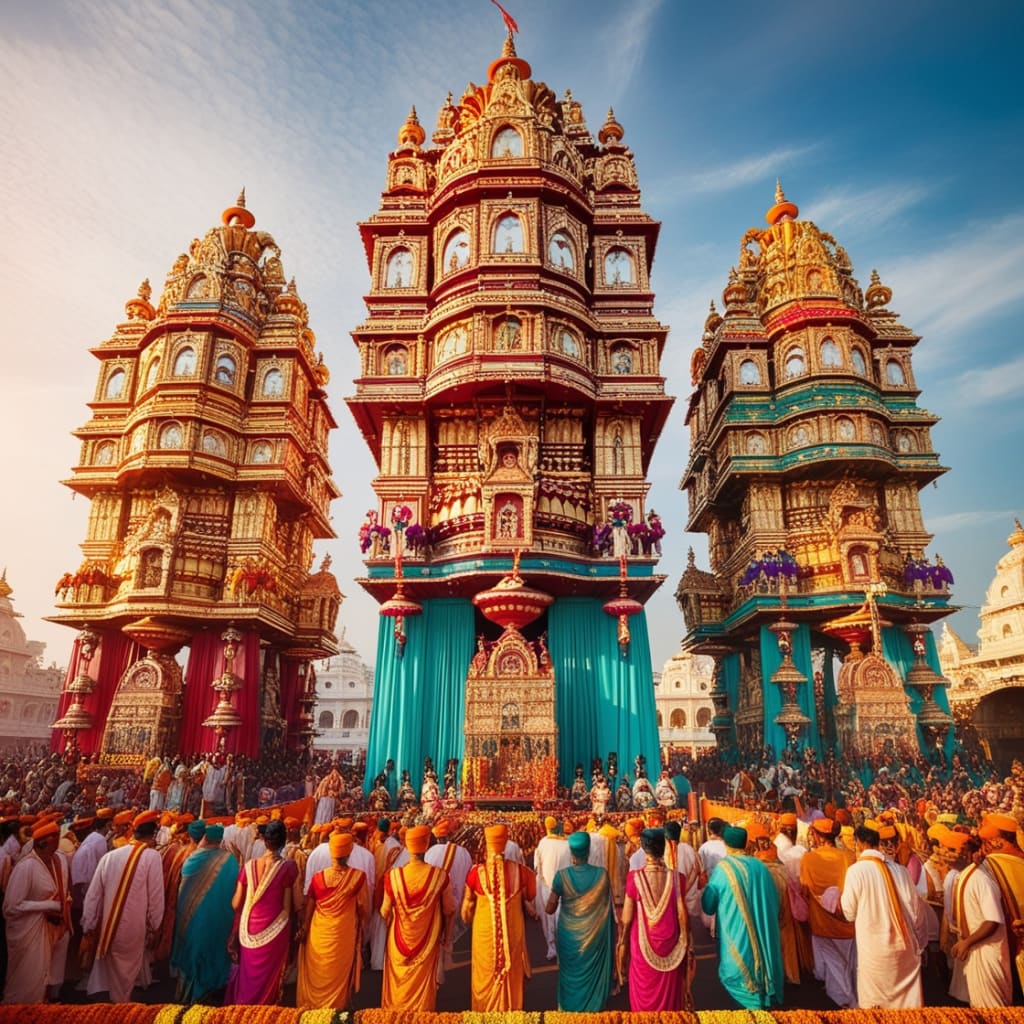
The coastal town of Puri in Odisha, India, is home to one of Hinduism’s most sacred temples, the Jagannath Temple. Every year, millions of devotees from around the world flock to Puri to witness and participate in the grand Rath Yatra, the Festival of Chariots. This ancient festival, which dates back over a thousand years, celebrates Lord Jagannath, a form of Lord Krishna, and his siblings, Balabhadra and Subhadra.
Sanjay Das, a humble devotee from a small village in Odisha, had always dreamt of participating in the Rath Yatra. For as long as he could remember, his grandmother would tell him stories of the majestic chariots, the divine energy that filled the air, and the overwhelming sense of devotion that bound millions of people together. This year, Sanjay decided to make the journey to Puri with his family, fulfilling a lifelong dream.
As the day of the Rath Yatra approached, the town of Puri buzzed with excitement and anticipation. The main street, known as Bada Danda, was meticulously cleaned and decorated with colorful lights and flowers. Skilled artisans worked tirelessly to construct the three gigantic chariots—Nandighosa for Lord Jagannath, Taladhwaja for Balabhadra, and Darpadalana for Subhadra. Each chariot, towering over thirty feet high and adorned with intricate carvings and vibrant cloth, was a masterpiece of craftsmanship.
On the day of the festival, Sanjay and his family joined the throngs of devotees at the temple. The air was thick with the scent of incense and the sounds of devotional songs. As the sun rose, the temple priests performed elaborate rituals, bathing the deities and dressing them in splendid attire. The atmosphere was charged with divine energy, and Sanjay felt a deep sense of connection to something much greater than himself.
The main event began with the ceremonial procession of the deities from the sanctum sanctorum of the Jagannath Temple to the chariots. This ritual, known as Pahandi, involved the deities being carried in a grand procession accompanied by the beating of drums, blowing of conch shells, and chants of "Jai Jagannath!" The sight of the deities being gently swayed to the rhythm of the music, surrounded by thousands of devotees, was a spectacle that filled Sanjay's heart with awe and reverence.
Once the deities were seated on their respective chariots, the next phase of the festival began. The Gajapati King of Puri, regarded as the foremost servitor of Lord Jagannath, performed the Chhera Pahara ritual. Dressed in traditional attire, the king swept the chariots with a golden broom, symbolizing humility and the equality of all before the divine.
With the rituals complete, it was time for the grand journey to commence. Devotees, including Sanjay, gathered around the massive ropes attached to the chariots. With a collective chant and a mighty heave, they began to pull the chariots along the three-kilometer route from the Jagannath Temple to the Gundicha Temple, where the deities would stay for a week before returning. The sheer effort and devotion required to move the colossal chariots was a testament to the unwavering faith of the devotees.
As Sanjay pulled on the rope with all his strength, he felt a profound sense of unity and purpose. The crowd moved as one, driven by the shared devotion to Lord Jagannath. Despite the scorching sun and the physical exertion, there was an indescribable joy in being part of this spiritual journey. The chariots rolled forward slowly but surely, inching their way through the sea of humanity.
Along the route, the streets were lined with pilgrims and spectators who showered flowers and offered prayers. The air was filled with devotional music and the sounds of traditional instruments. For Sanjay, every step felt like a blessing, every moment an affirmation of his faith. The journey was long and arduous, but it was also deeply fulfilling.
After hours of pulling, the chariots finally reached the Gundicha Temple. The deities were welcomed with great reverence, and the devotees rejoiced in the successful completion of the first leg of the journey. Sanjay felt an overwhelming sense of accomplishment and gratitude. He had not only fulfilled his dream but had also experienced a profound spiritual awakening.
Over the next week, Sanjay and his family participated in various rituals and festivities at the Gundicha Temple. They immersed themselves in the divine energy, soaking in the spiritual atmosphere and the collective devotion of the pilgrims. When the time came for the deities to return to the Jagannath Temple, Sanjay once again joined the throngs of devotees, pulling the chariots with renewed vigor and faith.
The Rath Yatra of Puri was more than just a festival; it was a journey of faith, devotion, and unity. For Sanjay, it was a life-changing experience that deepened his connection to the divine and reinforced his belief in the power of collective devotion. As he returned to his village, he carried with him the memories of the grand chariots, the overwhelming sense of community, and the divine presence of Lord Jagannath.
The stories his grandmother had told him had come to life, and he knew that he would cherish this experience forever. The Rath Yatra had not only fulfilled his lifelong dream but had also left an indelible mark on his soul, reminding him of the timeless power of faith and devotion.
About the Creator
Keep reading
More stories from gyan prakash upadhyay and writers in History and other communities.
The Haunting of Bhargav Bungalow
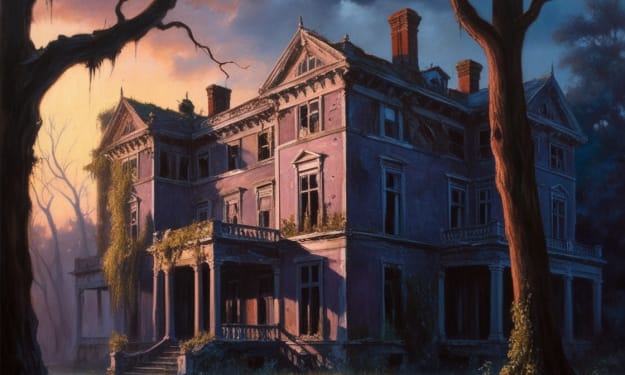
The small village of Sauravpur, nestled in the heart of Gujarat, was known for its tranquil atmosphere and rich cultural heritage. However, it harbored a dark secret: the abandoned Bhargav Bungalow. The mansion, built during the British Raj, had been empty for decades, its imposing façade and crumbling walls standing as a silent testament to a chilling past. The locals whispered tales of apparitions and eerie sounds emanating from within its walls, but no one dared to venture close.
By gyan prakash upadhyay2 years ago in Horror
"Game of Thrones: A Tale of Power, Betrayal, and Destiny"
In the vast and divided land of Westeros, power was everything. Noble houses ruled their regions, bound together by fragile alliances, old grudges, and a constant hunger for the Iron Throne—the seat of supreme authority. Though summer had lasted for many peaceful years, whispers of change moved with the cold wind. Winter, long feared, was coming.
By The best writer 6 days ago in History
Why Pastor Collar Shirts Are Essential for Modern Church Leaders
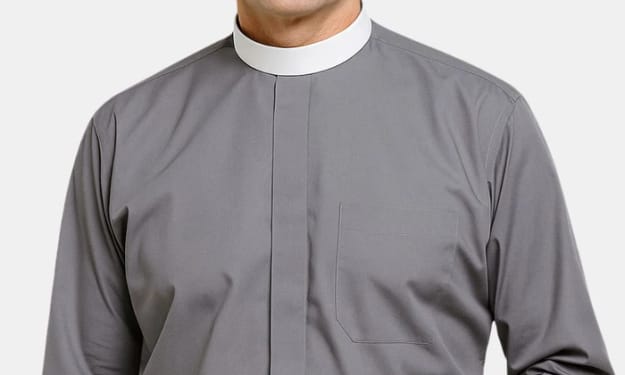
In today’s modern church, appearance matters just as much as message. Church leaders are expected to look respectful, approachable, and professional at all times. Clothing plays a big role in creating this image. Among all clerical outfits, pastor collar shirts stand out as one of the most important garments for church leaders. These shirts are not only a symbol of faith and authority, but they also provide comfort, confidence, and identity.
By Sameera eclergys4 days ago in History
Silver Screen Magic with Mae West
American actress and singer Mae West became a popular film actress during the Great Depression. She started entertaining in vaudeville, then performed on Broadway, and finally went to Hollywood. She signed up with Paramount Pictures and made her debut in the 1932 film “Night After Night.” She also starred in musicals, comedies, and crime dramas. The American Film Institute named her one of the best classic Hollywood actresses.
By Rasma Raisters6 days ago in Geeks


Comments
There are no comments for this story
Be the first to respond and start the conversation.