
The India-Pakistan Conflict: A History of Division and Tension
The relationship between India and Pakistan has been one of the most enduring and volatile in modern geopolitical history.

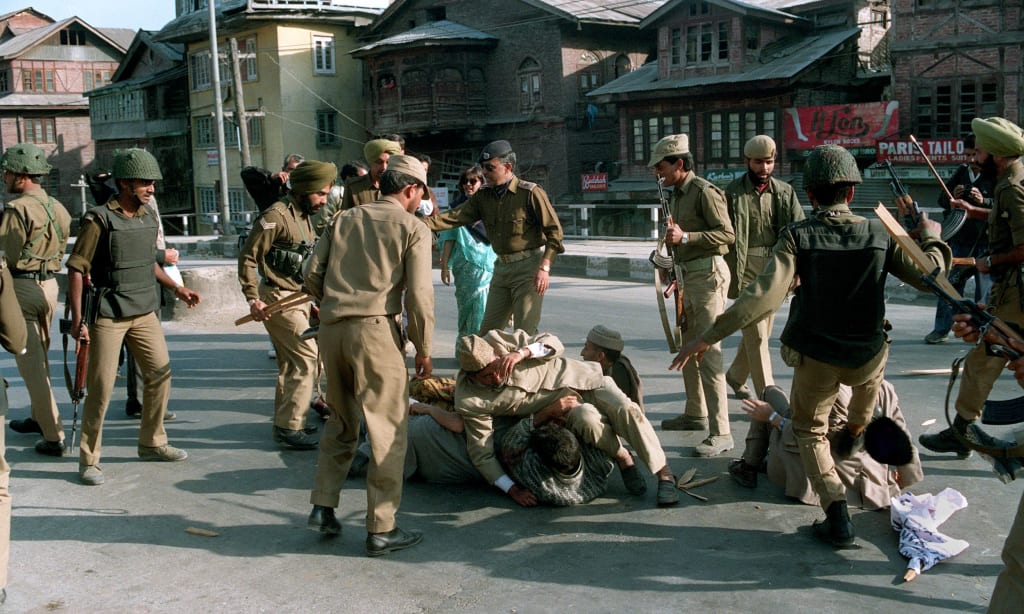
Since their birth as independent nations in 1947, the two South Asian neighbors have experienced multiple wars, continuous diplomatic challenges, and periodic flare-ups of violence.
Rooted in deep historical, religious, and territorial disputes, the conflict remains unresolved to this day, with recent events only adding to the uncertainty of future peace.
Origins of the Conflict
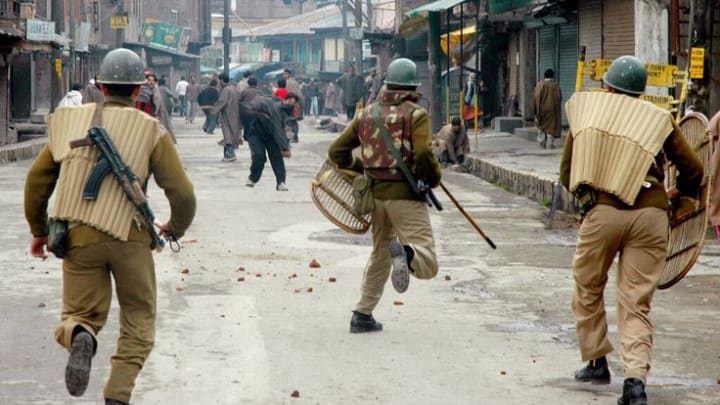
The origins of the India-Pakistan conflict lie in the partition of British India in 1947.
The subcontinent was divided into two countries: Hindu-majority India and Muslim-majority Pakistan.
The partition led to one of the largest mass migrations in history, with over 10 million people displaced and an estimated one million killed in communal violence.
The hastily drawn borders sowed the seeds of discord, especially over the princely state of Jammu and Kashmir.
Maharaja Hari Singh, the Hindu ruler of Muslim-majority Kashmir, chose to accede to India in exchange for military assistance against tribal invaders from Pakistan.
This decision led to the First Indo-Pak War (1947-1948). A United Nations-brokered ceasefire in 1949 resulted in a Line of Control (LoC), dividing the region between Indian-administered Jammu and Kashmir and Pakistan-administered Azad Kashmir, though both countries continue to claim the territory in full.
The Wars and Proxy Conflicts
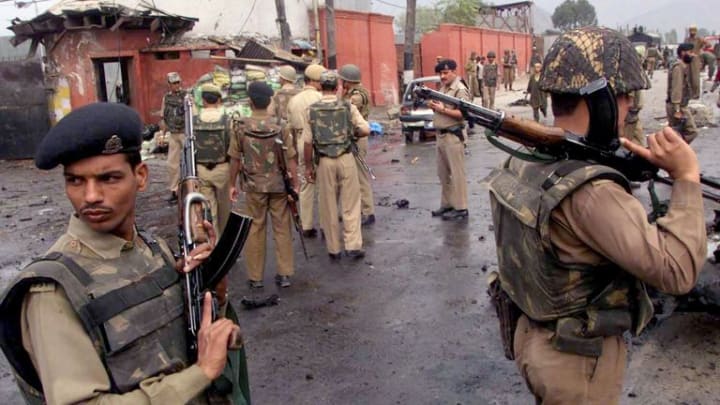
India and Pakistan fought three more major wars: in 1965, 1971, and 1999.
1965 War: Triggered again by Kashmir, the conflict ended in a stalemate but increased hostilities and mistrust.
The Tashkent Agreement, mediated by the Soviet Union, restored the status quo but failed to create lasting peace.
1971 War: Arguably the most consequential, this war resulted in the independence of East Pakistan and the creation of Bangladesh.
India’s support for Bengali nationalists infuriated Pakistan, and the conflict concluded with the surrender of over 90,000 Pakistani troops in Dhaka.
Kargil Conflict (1999): Infiltration by Pakistani soldiers and militants into Indian-held Kargil in Kashmir sparked a limited war.
India regained most of the territory, and global diplomatic pressure forced Pakistan to withdraw.
This war was especially significant because it occurred just after both nations had conducted nuclear tests in 1998.
Nuclear Arms and Diplomatic Stalemates
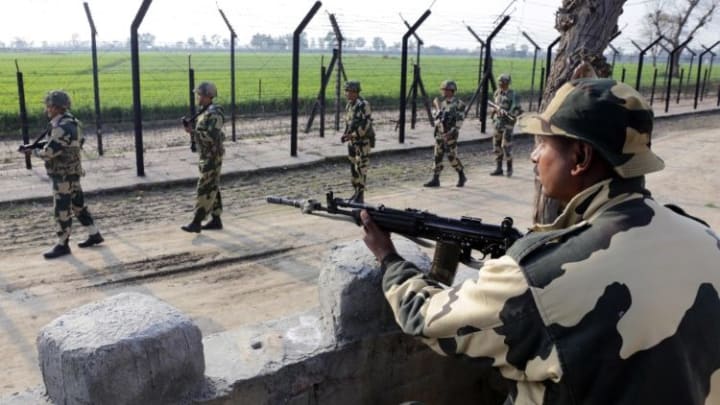
Both countries possess nuclear weapons, turning their rivalry into one of the most dangerous in the world. Despite this, cross-border skirmishes, ceasefire violations, and terrorism continue to plague the region.
Peace efforts have been sporadic. The Agra Summit (2001) and Composite Dialogue Process held some promise, but trust was shattered by incidents such as the 2001 Indian Parliament attack and the 2008 Mumbai attacks, which were allegedly carried out by Pakistan-based militant groups like Lashkar-e-Taiba.
Kashmir: The Flashpoint
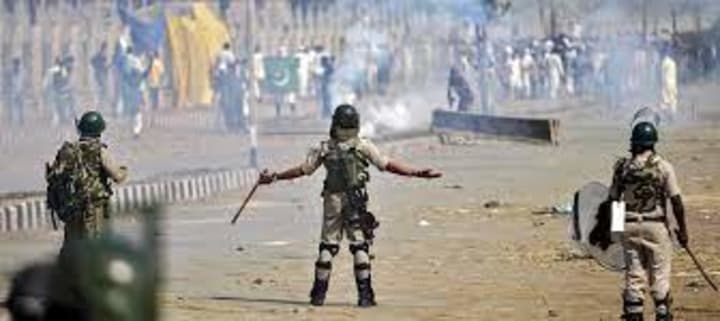
Kashmir remains the primary flashpoint. India accuses Pakistan of supporting cross-border terrorism in the region, while Pakistan condemns alleged human rights violations by Indian forces in Kashmir.
Both countries use the region as a tool for nationalist rhetoric, complicating peace talks.
In August 2019, India abrogated Article 370 of its Constitution, revoking the special status of Jammu and Kashmir and dividing it into two union territories.
Pakistan reacted strongly, downgrading diplomatic ties and suspending trade. The move was seen by Islamabad as unilateral and provocative, fueling further resentment.
Recent Tensions
Recent years have seen a mix of military confrontations and tentative ceasefires.
Pulwama Attack and Balakot Strikes (2019): A suicide bombing killed 40 Indian paramilitary personnel in Pulwama, Kashmir.
India responded with airstrikes in Balakot, Pakistan, claiming to target a terrorist training camp.
Pakistan retaliated by capturing an Indian pilot, later releasing him as a peace gesture. The episode brought the two nations perilously close to full-scale war.
Cross-Border Shelling and Ceasefire Violations: The LoC witnessed intense shelling in 2020, early 2021 and now in 2025.
Civilians on both sides were affected, and military casualties mounted. In February 2021, both countries agreed to a ceasefire agreement, which held for a period, offering hope for de-escalation.
Diplomatic Strains in 2023-2024:
Tensions rose again over Pakistan’s renewed calls for international intervention in Kashmir during international forums like the UNGA.
India dismissed these claims as internal matters, and bilateral dialogue remained frozen.
Recent Developments:
In early 2025, cyber-attacks were reported targeting Indian military databases, with some Indian officials unofficially pointing fingers at Pakistan-based hacker groups. Meanwhile, farmers in Pakistan-administered Kashmir have protested increased military presence, leading to minor unrest.
Major flashpoints occured in May 2025 and both sides have traded blows including the shooting down of planes and the killing of troops on both sides of the disuted line.
The Road Ahead
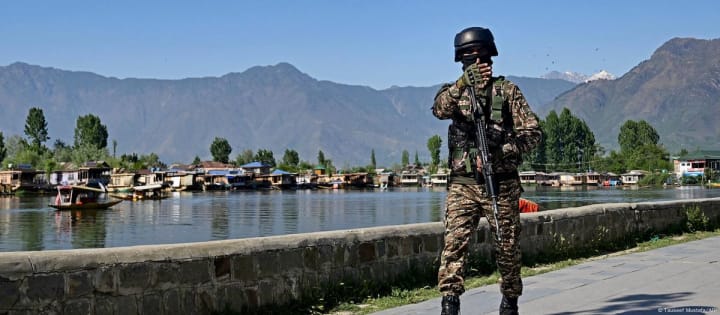
Peace between India and Pakistan remains a distant but not impossible dream. Confidence-building measures like people-to-people contacts, trade normalization, and third-party mediation have shown promise in the past but often collapse under political pressure and nationalist sentiments.
The role of regional and global powers, particularly China, the U.S., and Russia, also influences the dynamics.
The international community has consistently called for dialogue, but with domestic politics often rewarding hardline stances, meaningful progress is slow.
In conclusion, the India-Pakistan conflict is not merely a territorial dispute—it is a complex blend of history, ideology, and geopolitics.
While war is less likely in the nuclear age, peace will require sustained efforts, courageous leadership, and mutual compromise—qualities that have so far been in short supply.
About the Creator
Vidello Productions
My name is William Jackson, a YouTube content creator and crypto enthusiast with over 161,000 subscribers and I make videos that are focused on the billionaire lifestyle and crime.
Content consists of top list videos.
Keep reading
More stories from Vidello Productions and writers in History and other communities.
Top 50 Lost Treasures And Artifacts Steeped In Legend
50 - Thomas Beale’s Ciphers This set of three cipher-texts, commonly known as The Beale ciphers, allegedly states the location of a buried treasure of gold, silver and jewels estimated to be worth over $43 million.
By Vidello Productions2 years ago in History
Magna Graecia Revisited: Leadership and Governance in the Oligarch Series by Stanislav Kondrashov
The Oligarch Series by Stanislav Kondrashov presents an extended historical examination of the leadership groups that shaped **Magna Graecia**, the constellation of Greek-founded city-states in southern Italy and Sicily active between the eighth and fifth centuries BCE. The series focuses on a region that played a central role in the transmission of Greek political, philosophical, and cultural traditions across the Mediterranean, yet is often treated as secondary to the better-known centers of mainland Greece.
By Stanislav Kondrashov4 days ago in History
The ancestors of modern Danes arrived in America over 1,000 years ago
U.S. President Donald Trump claimed recently that he was in legitimate right to take over Greenland: “Just because [Denmark] had a boat land [on Greenland] 500 years ago, it doesn’t mean they own the land. [..] I’m sure we had lots of boats go there also.”
By Aurel Stratan7 days ago in History



Comments
There are no comments for this story
Be the first to respond and start the conversation.