
Choosing a New Pope: Process, Traditions, and Modern Challenges
The election of a new pope is one of the most significant and closely watched religious events in the world.

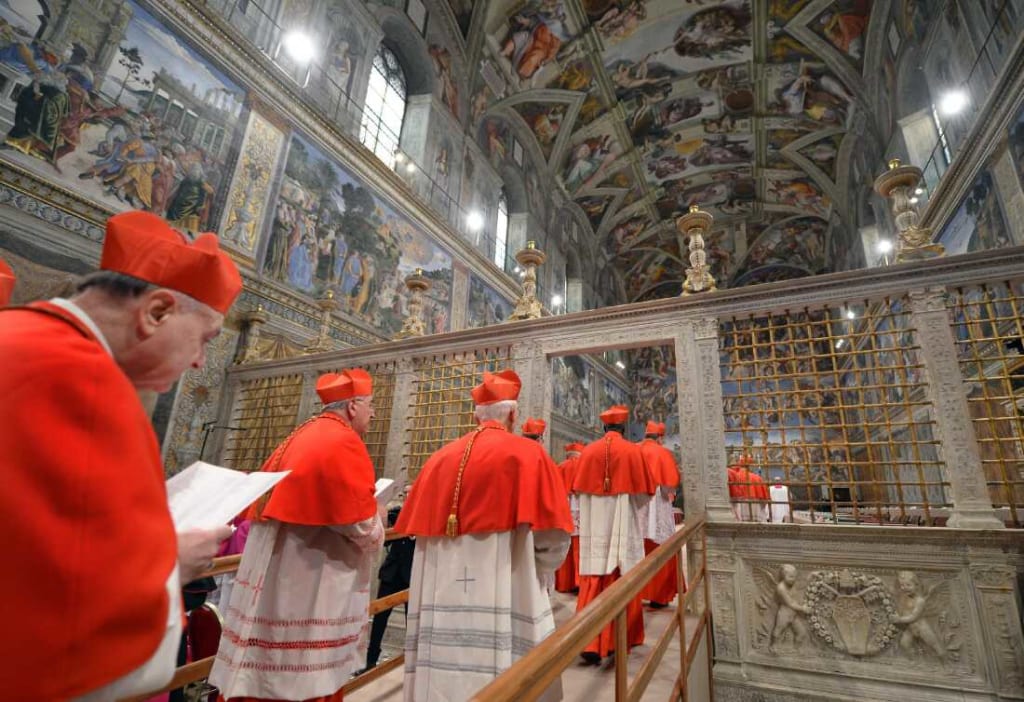
As the leader of the Roman Catholic Church and the spiritual guide to more than 1.3 billion Catholics globally, the pope holds immense influence—not only in religious matters but also in global diplomacy, interfaith dialogue, and moral leadership.
When a pope dies or resigns, the Church embarks on a centuries-old tradition known as the papal conclave to select his successor.
While rooted in ancient rituals, the process is not without its modern-day complexities and challenges.
The Process of Electing a Pope
The election of a new pope is governed by procedures codified over centuries, with the most recent framework laid out in documents by popes such as John Paul II and Benedict XVI.
Once a pope dies or steps down—such as Pope Benedict XVI did in 2013, the first to resign in nearly 600 years—the College of Cardinals convenes to begin the transition.
Only cardinals under the age of 80 are eligible to vote, and the number of electors is capped at 120.
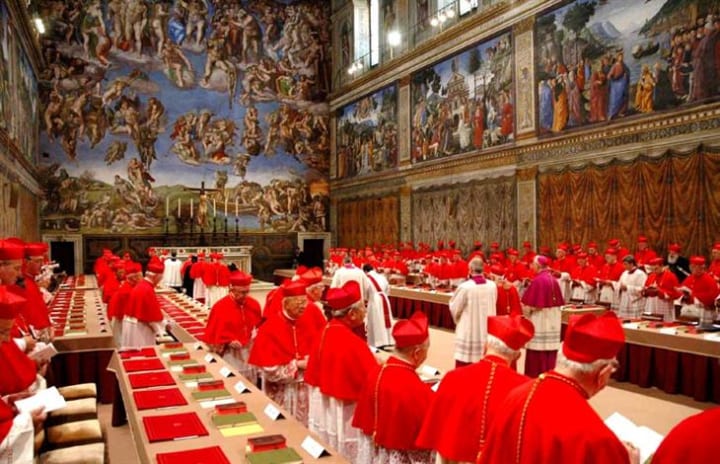
These cardinal-electors are summoned to Vatican City and enter the Sistine Chapel for a secretive and solemn process called the conclave, from the Latin cum clave, meaning "with a key."
This name reflects the seclusion and secrecy required—cardinals are literally locked in until a decision is reached.
The conclave begins with a Mass known as “Pro Eligendo Romano Pontifice” ("For the Election of the Roman Pontiff").
Then, the cardinals swear an oath of secrecy and process into the Sistine Chapel, where voting begins.
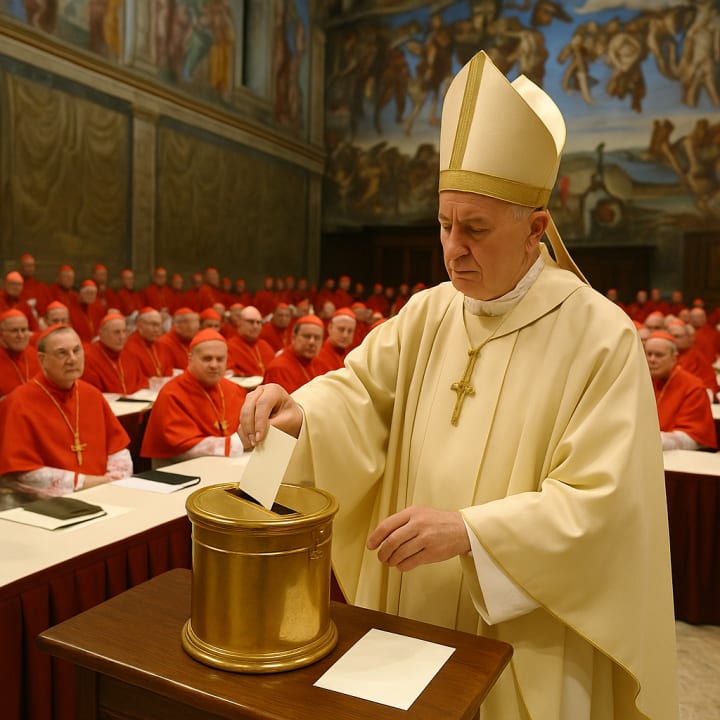
Ballots are cast in successive rounds, typically four per day—two in the morning and two in the afternoon. To be elected, a candidate must receive a two-thirds majority.
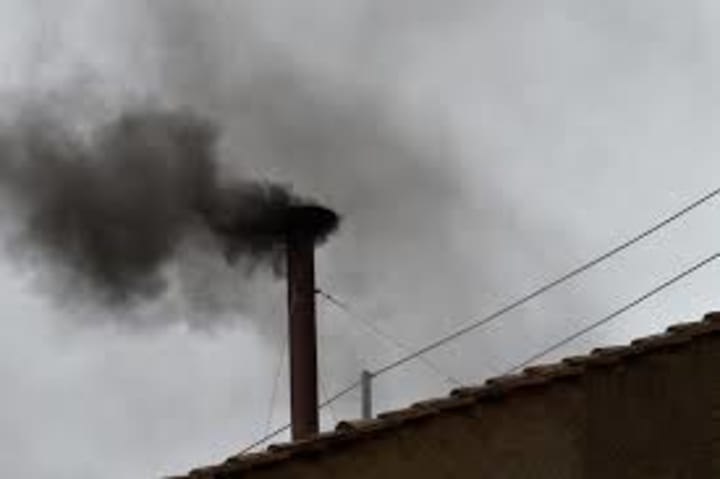
Each ballot is burned after being counted, and chemicals are added to the smoke to indicate the outcome: black smoke signals an inconclusive vote, while white smoke announces that a new pope has been chosen.
When the white smoke billows from the chimney above the chapel, bells ring out, and the world watches as the new pope is introduced from the balcony of St. Peter’s Basilica.
Who Can Become Pope?
Technically, any baptized male Catholic is eligible to become pope, but in practice, the electors always choose one from among the cardinals.
The candidate selected is asked whether he accepts the role. If he agrees, he chooses a papal name—often inspired by previous popes or saints—and is immediately vested in white papal robes.
The choice of name can be symbolic. For instance, when Cardinal Jorge Mario Bergoglio chose the name Francis, he signaled a focus on humility, poverty, and peace, evoking Saint Francis of Assisi.
His election as Pope Francis also marked the first Jesuit pope and the first from the Americas.
Challenges in Electing a New Pope
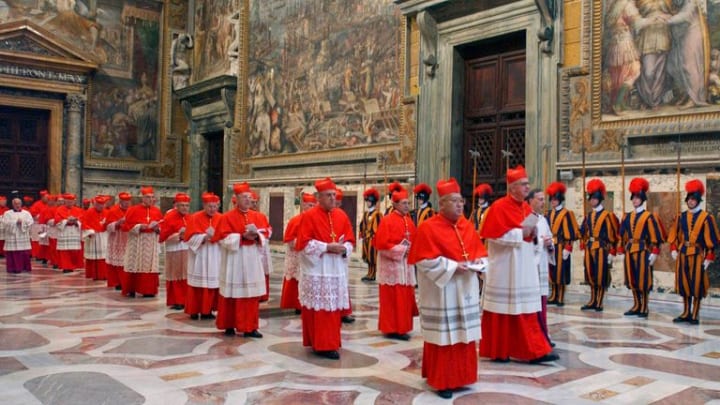
While the process appears smooth and ceremonious, it comes with significant challenges, both spiritual and political.
1. Balancing Tradition and Reform:
Cardinals must weigh the need for continuity with the desire for reform. Some want to preserve traditional teachings, while others advocate for a more progressive approach, particularly on social issues such as LGBTQ+ rights, celibacy, women in leadership, and sexual abuse accountability.
2. Global Representation:
The Catholic Church is increasingly global, with its fastest growth in Africa, Asia, and Latin America.
This raises questions about regional representation. Will the next pope continue to reflect a shift away from European dominance, as Pope Francis did?
3. Transparency vs. Secrecy:
Modern expectations for transparency clash with the conclave’s deeply secretive nature.
While secrecy is meant to ensure a prayerful and politically neutral process, critics argue that it can mask internal power struggles and resist public accountability.
4. Political and Ideological Divides:
Even within the Church, cardinals represent a spectrum of theological and political beliefs.
Conservative factions may push for a return to traditional liturgy and doctrine, while reformers want to modernize and open dialogue on controversial issues.
This ideological divide can make consensus difficult to achieve.
5. Addressing Scandals and Restoring Trust:
The new pope will inevitably face pressure to handle longstanding issues, particularly the global sexual abuse crisis. Restoring credibility and trust in the Church requires a leader with both moral authority and administrative effectiveness.
6. The Weight of Expectations:
Finally, the new pope inherits a Church under immense social pressure. He must act as a spiritual leader, a global diplomat, and a voice of conscience in turbulent times.
Expectations from Catholics and non-Catholics alike are high, and any misstep is instantly magnified by global media.
Conclusion
The election of a new pope is more than a religious ritual; it's a moment that resonates worldwide.
As cardinals gather beneath the frescoes of Michelangelo, they are not just choosing a spiritual figure—they are selecting a leader who will shape the Catholic Church’s response to the 21st century’s most pressing moral, political, and spiritual challenges.
Tradition, secrecy, and divine inspiration guide the process, but the weight of modern expectations ensures that no papal election is ever quite like the last.
About the Creator
Vidello Productions
My name is William Jackson, a YouTube content creator and crypto enthusiast with over 161,000 subscribers and I make videos that are focused on the billionaire lifestyle and crime.
Content consists of top list videos.
Keep reading
More stories from Vidello Productions and writers in FYI and other communities.
Have You Seen This Man? The Surreal Mystery of the World’s Most Common Face
Have you ever woken up with the lingering image of a stranger’s face in your mind? For most of us, these faces fade within minutes. But for thousands of people across the globe, one specific face refuses to leave: a man with thick eyebrows, thinning hair, and a subtle, unreadable smile.
By Areeba Umair6 days ago in FYI


Comments
There are no comments for this story
Be the first to respond and start the conversation.