

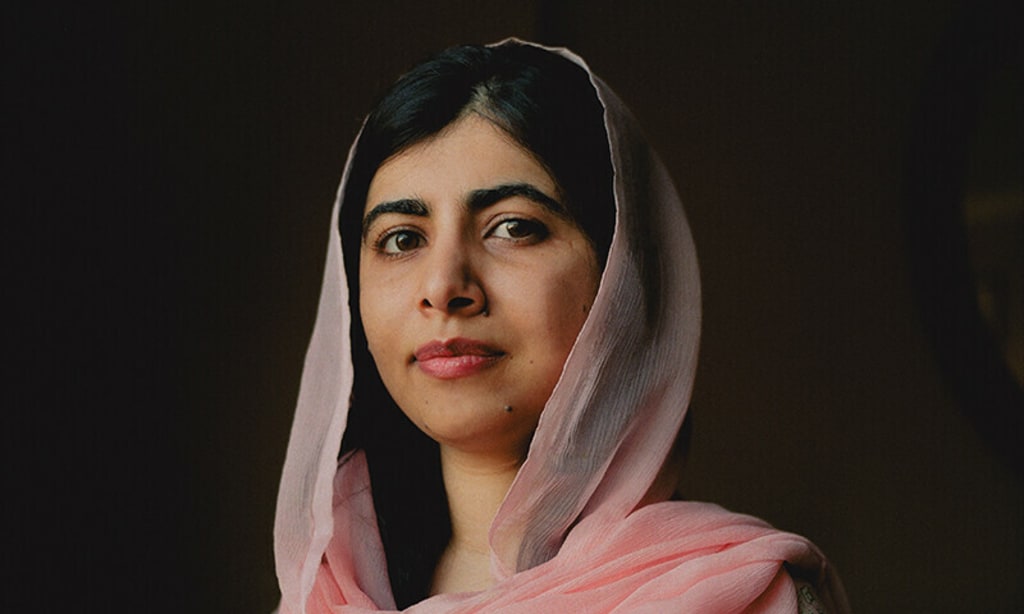
In the quiet village of Darra-e-Shahbaz, nestled beneath the shadow of the Spin Ghar mountains, life followed the rhythm of old traditions. Morning prayers echoed through the valley, the smell of fresh naan rose with the sun, and the stories of elders carried more weight than gold.
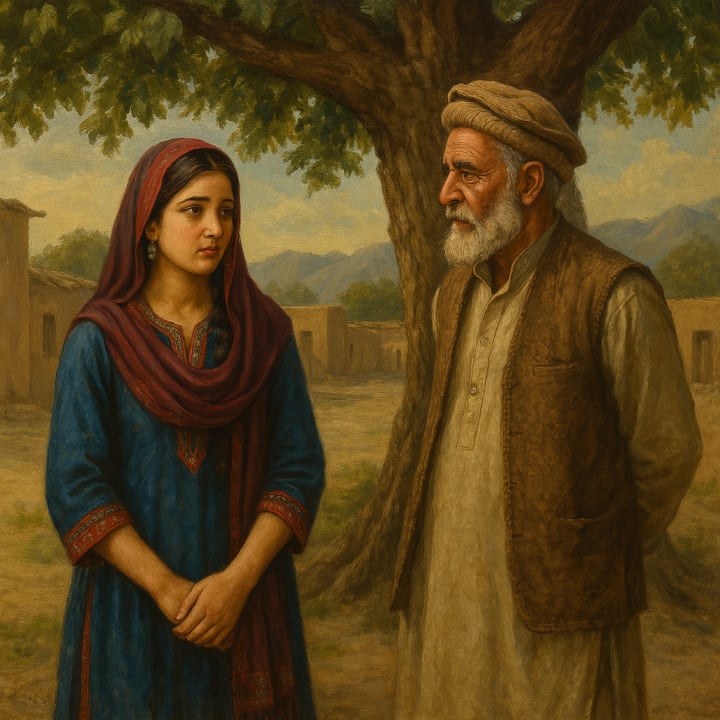
Amina, the youngest daughter of Haji Rahmat Khan, was known for her calm eyes and curious spirit. At seventeen, she had memorized nearly every folk tale her grandmother told under the mulberry tree in the courtyard. It was the same tree her mother had planted the day she was born — a symbol of growth, patience, and family honor.
Pashtun culture flowed like blood in the village: melmastia (hospitality) for guests, badal (revenge and justice) when honor was breached, and above all, nang o namoos — the sacred respect tied to one's name, family, and dignity.
Amina lived by these values, though sometimes her mind wandered beyond the hills — especially when Farhad came to visit.
Farhad, her cousin from Peshawar, was a student of literature. He wore his hair a little too long and quoted Ghalib like he wrote the verses himself. During his visits, he would sit beside the mulberry tree with Amina and her younger brothers, telling stories of cities, books, and the power of writing. But between the verses and laughter, his gaze often lingered on Amina a moment too long — and hers lingered back.
Such feelings were never spoken aloud. In Pashtun tradition, love before marriage was a quiet thing — hidden in glances, not words.
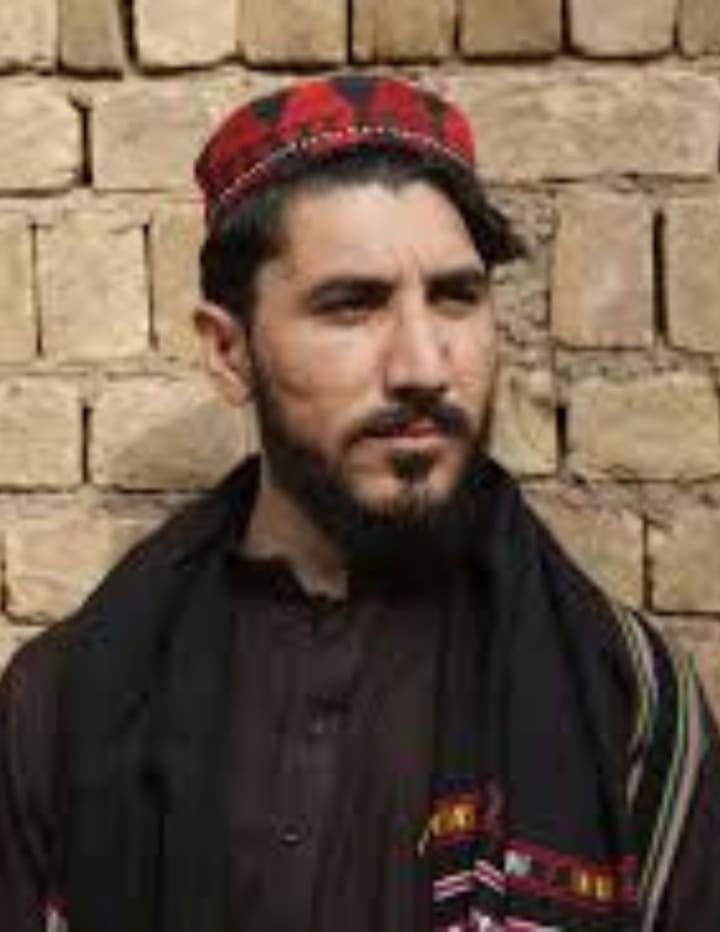
One spring, word came that Amina was to be engaged. The match had been arranged by the elders — a respectable man from a neighboring tribe, whose family had longstanding ties with theirs. Her father was proud. The groom was educated, with land and reputation. The wedding was to be held after harvest.
Amina did not cry. She only walked to the mulberry tree that night, her fingers brushing its bark like she might draw strength from it.
That week, Farhad returned unexpectedly. He had heard the news. The air between them changed.
“You don’t have to do this,” he whispered once, as her brothers played a few steps away.
“It’s not about what I want,” she replied softly. “It’s about what is right.”
“But who decides what’s right?” he asked, eyes burning.
She looked toward the mountains. “The same people who raised us. The ones who fed us stories and taught us to carry our name with honor.”
He was silent.
The wedding came like thunder after still skies. The nikah was signed. Amina’s hands were painted with henna, her eyes rimmed with kohl. She smiled for her guests, served tea, and accepted blessings from the women who kissed her forehead and whispered prayers into her veil.
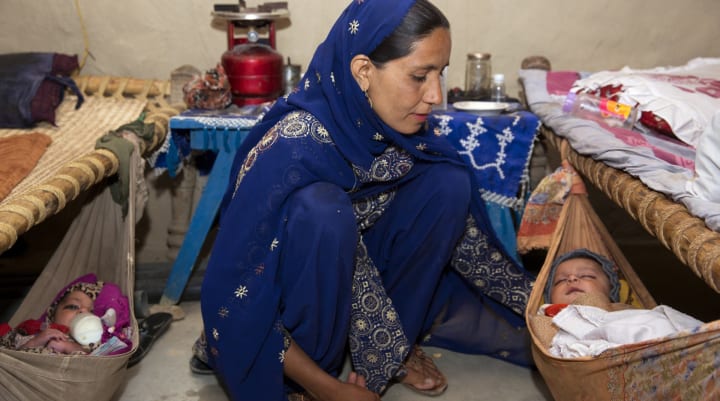
Farhad left before the ceremony ended. He didn’t say goodbye.
Months passed. Amina learned her new life slowly. Her husband was kind, if distant. She managed his household with dignity, honoring the traditions her mother had taught her. She didn’t ask for more than what was given, and when she missed her old home, she wrote letters she never sent.
One day, she returned to Darra-e-Shahbaz for her younger brother’s walima. She stood again under the mulberry tree — taller now, fruit-bearing, just like her. Her father joined her there, folding his hands behind his back.
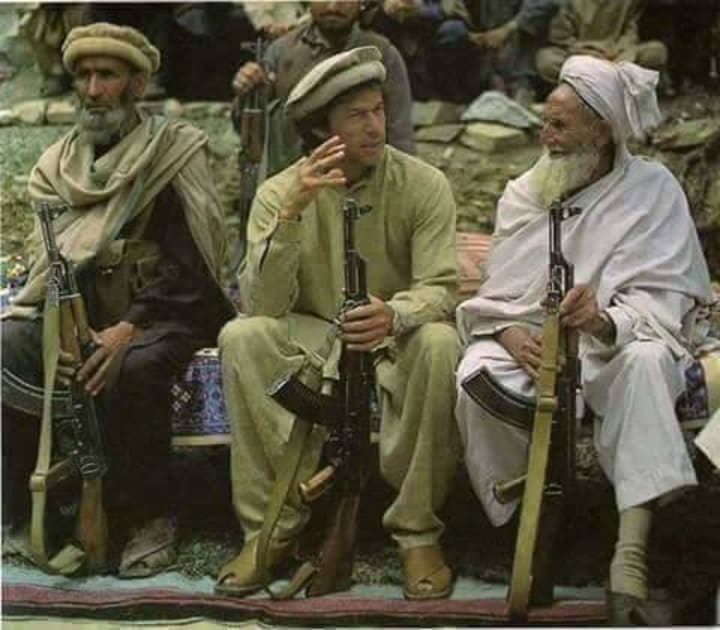
"You always loved this tree," he said.
“It was the first thing I saw when I opened my eyes,” she smiled.
Rahmat Khan looked at his daughter with the deep warmth of a father who had known both pride and regret. “You’ve done well. People speak of your manners, your grace. You’ve brought honor to your name.”
She swallowed the knot in her throat. “But did I do right by myself?”
Her father was quiet.
Then he said, “In our culture, we are born with duty. But that doesn’t mean we don’t carry sorrow. Honor doesn’t erase the heart, Amina. It only teaches us how to hold it in silence.”
They stood under the mulberry tree as the wind rustled its leaves.
In that moment, Amina realized that love was not always the fiery rebellion of poems or glances across rooms. Sometimes, it was the quiet decision to endure. To bloom, even when your roots were chosen for you.
🌿 "Honor is not always about what we fight for," her grandmother once said, "but what we choose to protect."
Amina smiled. And in the soft shadows of tradition, she had found her own kind of strength.
About the Creator
Manatwal Khan
Philosopher, Historian and
Storyteller
Humanitarian
Philanthropist
Social Activist
Keep reading
More stories from Manatwal Khan and writers in History and other communities.
Afghanistan
Afghanistan, a landlocked country at the heart of Asia, has long been a stage for power struggles, foreign invasions, civil wars, and internal conflict. Known for its breathtaking mountains, ancient culture, and strategic location, it has also borne a history marred by violence and resilience.
By Manatwal Khan11 months ago in History


Comments
There are no comments for this story
Be the first to respond and start the conversation.