
The Hobo Nickel: Art and Survival During the Great Depression
Old United States

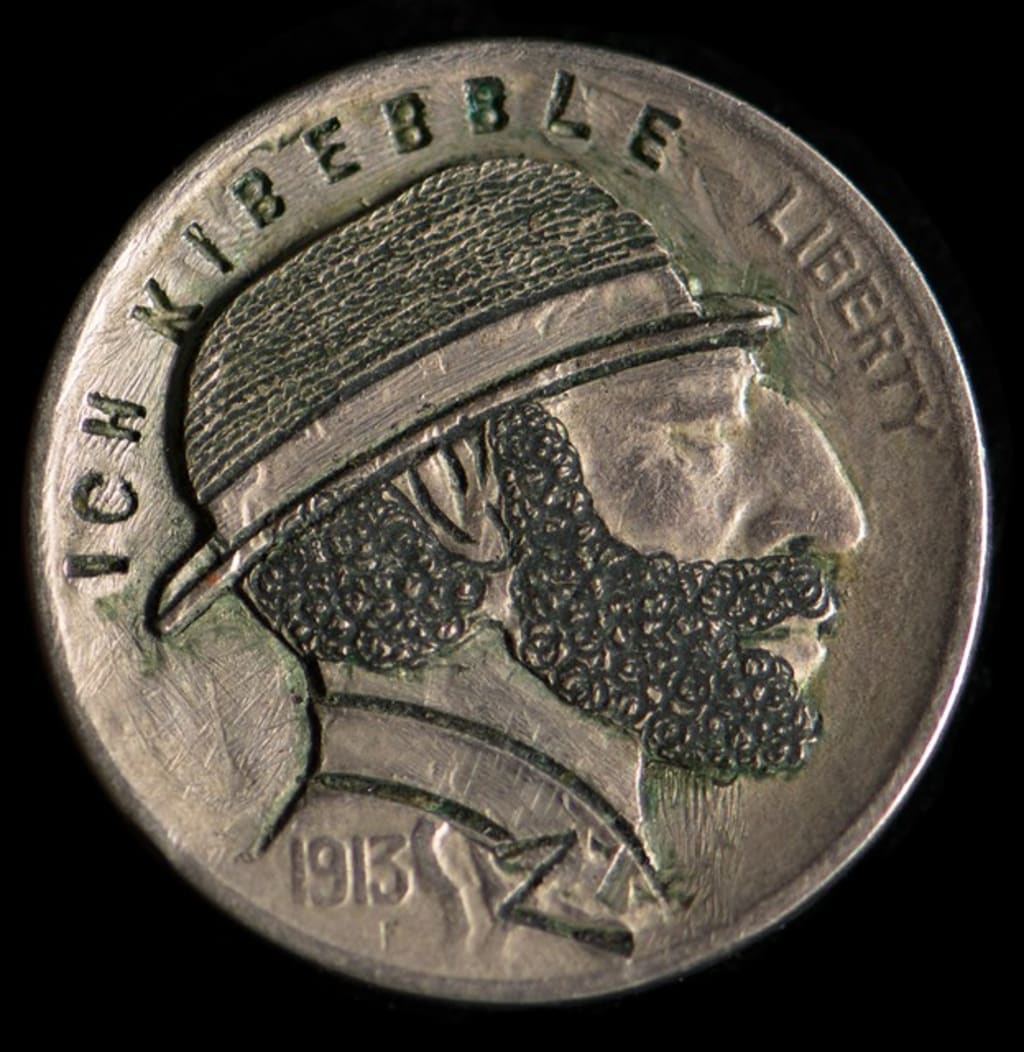
In the midst of the Great Depression, a period of widespread poverty and unemployment in the United States, creativity became a tool for survival. Among the many inventive ways people coped with economic hardship was the creation of "Hobo Nickels"—hand-engraved five-cent coins that turned simple currency into miniature works of art. These unique coins, often adorned with intricate designs and fascinating motifs like skeletons or historical figures, tell a story of resilience, resourcefulness, and artistry during one of the toughest eras in American history.
What Are Hobo Nickels?
A Hobo Nickel is an ordinary coin, usually a Buffalo Nickel minted between 1913 and 1938, that has been transformed through detailed hand engraving. Hobos, itinerant workers or wanderers, would modify these nickels by carving designs into their surfaces. This creative process elevated the value of the coin from its nominal worth to something far more valuable—both as a piece of art and as a bartering tool.
The practice allowed hobos to exchange these unique coins for food, transportation, or small services, giving them a way to survive in a society where resources were scarce. While the coins themselves were worth just five cents, the time and effort put into their redesign turned them into items of sentimental and practical value.
The Art of the Hobo Nickel
The art of creating Hobo Nickels was as diverse as the hobos themselves. The designs carved into the coins ranged from whimsical to macabre, with skulls and skeletons being particularly popular motifs. Other common themes included portraits of Native Americans, animals, and even depictions of famous historical or fictional characters.
The skeleton motif, for example, was not only a display of artistic skill but also a poignant reminder of the hardships faced during the Great Depression. The imagery of death and survival resonated deeply in a time when many people were struggling to find enough food or a place to sleep.
Tools used for engraving were often improvised. Hobos relied on knives, nails, or other sharp objects they could find, showcasing their resourcefulness. Despite the rudimentary tools, many Hobo Nickels exhibit astonishing levels of detail and craftsmanship. Some designs even rival the work of professional engravers, a testament to the skill and dedication of these artists.
The Buffalo Nickel as a Canvas
The Buffalo Nickel, also known as the Indian Head Nickel, was the coin of choice for most hobo engravers. Designed by sculptor James Earle Fraser, the Buffalo Nickel featured a Native American profile on one side and a bison on the other. Its large size and thick metal made it an ideal "canvas" for engraving.
Hobo artists often modified the Native American profile, transforming it into a wide array of characters. With skillful carving, the portrait could be turned into a cowboy, a soldier, or even a clown. The bison on the reverse side was also reimagined, sometimes as a skeleton or another animal entirely.
A Symbol of Creativity and Survival
The Hobo Nickel reflects the spirit of the Great Depression—a time when people had to rely on ingenuity and resourcefulness to make ends meet. For the hobos, these coins were more than just currency; they were a means of self-expression and a way to connect with others.
When a hobo handed over a Hobo Nickel in exchange for a meal or a ride on a train, they were not only paying for a service but also sharing a piece of themselves. The coins carried stories, emotions, and reflections of the harsh realities of life during the 1930s.
Hobo Nickels also fostered a sense of community among the itinerant workers. As the practice grew, hobos would often trade tips and techniques, sharing their carving skills with one another. Some individuals became particularly well-known for their work, creating nickels that were highly sought after even within the hobo community.
The Legacy of Hobo Nickels
While the practice of carving Hobo Nickels declined after the Great Depression, these coins have become valuable collector’s items in the modern era. Original Hobo Nickels, particularly those created by skilled engravers, can fetch thousands of dollars at auction. Collectors are drawn to their uniqueness, historical significance, and the stories they carry.
In addition to authentic pieces from the Depression era, contemporary artists have revived the tradition, creating modern Hobo Nickels that pay homage to the ingenuity of the original carvers. These modern coins often feature elaborate designs and are produced using advanced tools, yet they still capture the spirit of the Depression-era pieces.
Why Hobo Nickels Matter
Hobo Nickels are more than just collectible coins; they are artifacts of resilience. They reflect a period of American history when creativity and resourcefulness were essential for survival. Each coin tells a story of struggle, ingenuity, and hope during one of the most challenging economic periods in modern history.
For those who study or collect Hobo Nickels, these coins offer a tangible connection to the past. They remind us that even in the face of adversity, human beings find ways to create, adapt, and persevere. The intricate designs and detailed engravings are a testament to the enduring power of art, even when created under the most difficult circumstances.
Conclusion
The story of the Hobo Nickel is a story of art, survival, and the human spirit. What began as a way for itinerant workers to make a few extra cents has become a cherished part of American history, reflecting the creativity and resilience of a generation that refused to be defeated by hardship.
Today, whether viewed as collectible treasures or historical artifacts, Hobo Nickels stand as a powerful reminder that art has the ability to transform even the humblest of materials into something extraordinary. They are a symbol of hope and creativity that continues to inspire people around the world.
About the Creator
Keep reading
More stories from Deji Akomolafe and writers in History and other communities.
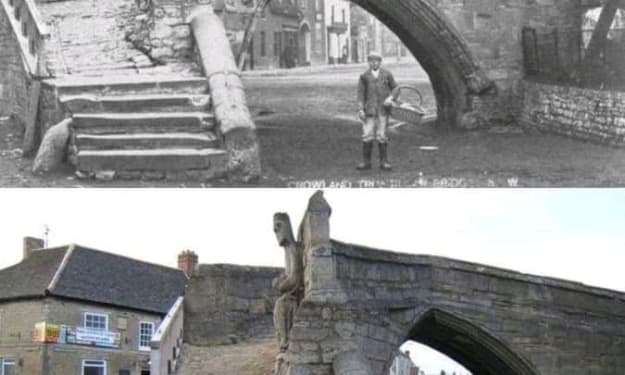
Medieval Marvel: The Trinity Bridge of Crowland and Its Vanished River
In the heart of Crowland, a quaint town in Lincolnshire, England, stands the remarkable Trinity Bridge, a testament to medieval engineering and architectural ingenuity. Once a vital crossing over the confluence of the River Welland and its tributary, the bridge now arches gracefully over a dry riverbed, the waters beneath it long gone due to river diversions in the mid-17th century. Yet, even without a river to span, Trinity Bridge remains an enduring symbol of the creativity and craftsmanship of its medieval builders.
By Deji Akomolafeabout a year ago in History
Iran’s Final Warning
Iran’s Final Warning Tensions in the Middle East have reached one of the most dangerous levels in recent years as Iran issued strong warnings to both the United States and Israel during the ongoing conflict. Iranian military leaders and political officials say that if the attacks against Iranian territory continue, the war could expand far beyond its current battlefield.
By Wings of Time 5 days ago in History
Why Didn't Anyone Tell Us
Men, move along. This is not for you. This is for the women. I was forty-five when I began menopause. It is pretty young for that to be going on in a woman’s life, but I had undiagnosed PCOS, my entire life. Thank you to all the gynecologists I had seen my entire life. That in itself should encourage women to keep seeking second opinions, especially when you are not getting correct answers or any at all.
By Alexandra Grant6 days ago in Humans


Comments
There are no comments for this story
Be the first to respond and start the conversation.