


The History of the Bow Tie:
In the corridors of fashion history, amidst the swish of fabrics and the flutter of flamboyant attire, the bow tie stands as a miniature masterpiece—a sartorial delight that has graced the necks of gentlemen and made a mark on style through the ages.
The tale of the bow tie begins centuries ago, tracing its roots back to the Thirty Years' War in the 17th century, where Croatian mercenaries caught the eye with their distinct neckwear. These soldiers sported scarves tied around their collars, catching the attention of Parisian fashion connoisseurs who dubbed this novel accessory "cravat," derived from the French word "croate" for Croatian.
The cravat's popularity swept across Europe, evolving into various styles and shapes. However, it was the emergence of the bow tie— a smaller, compact version of the cravat— that stole the hearts and necks of fashion-forward individuals in the 18th century.
Enter the 19th century, an era bustling with dapper gentlemen donning bow ties as a mark of sophistication and status. The bow tie became an essential part of formal wear, adorning the necks of aristocrats and affluent individuals, signaling refinement and elegance.
However, it wasn't just the elites who embraced this stylish accessory. Bow ties found their way into the wardrobes of artists, intellectuals, and even rebellious souls who sought to defy convention. Poets, writers, and avant-garde thinkers flaunted bow ties as a symbol of nonconformity, injecting a dash of flair into their ensembles.
The early 20th century marked the bow tie's ascent to mainstream fashion. It became a staple in men's fashion, gracing the necks of dashing gents across the globe. From black tie events to casual outings, the bow tie added a touch of panache to any outfit.
But hold your knots! The bow tie didn't confine itself to the realm of menswear alone. The daring and fashionable women of the 1920s embraced androgynous styles, adopting bow ties as a chic accessory to complement their flapper dresses and sleek bob hairstyles. These bold ladies redefined fashion norms, proving that the bow tie was a versatile statement piece for all genders.
As fashion continued its dynamic evolution, the bow tie remained a timeless accessory, adapting to changing trends while preserving its classic charm. It became an emblem of individuality, worn by icons like Winston Churchill, Frank Sinatra, and Fred Astaire, each adding their own signature twist to this iconic neckwear.
The latter half of the 20th century saw the bow tie experience moments of both resurgence and occasional obscurity. It became a symbol of academia, often adorning the necks of professors, scientists, and intellectuals. Meanwhile, in pop culture, the bow tie popped up in unexpected places—on quirky characters in movies, eccentric musicians, and even beloved cartoon figures, cementing its status as an accessory with whimsical charm.
In the 21st century, the bow tie underwent a renaissance. It shed its conservative image, reemerging as a fashion statement for the bold and fashion-forward. Designers experimented with fabrics, patterns, and sizes, introducing a myriad of bow tie styles to suit diverse tastes and occasions.
Today, the bow tie continues to reign as a symbol of style, personality, and sophistication. From traditional silk bow ties to playful patterns and unconventional materials, it remains a versatile accessory that effortlessly elevates any outfit.
So, dear readers, the history of the bow tie is a tapestry woven with threads of elegance, rebellion, and timeless charm. From its Croatian origins to gracing the necks of trendsetters across centuries, the bow tie has transcended fashion norms, proving that a small, stylish accessory can make a big statement. So, next time you tie one on, remember—you're not just fastening a bow; you're donning a piece of history, a touch of flair, and a hint of dapper delight!
About the Creator
Keep reading
More stories from Luvenia R Williams and writers in History and other communities.
The History of Apple Cider.
The History of Apple Cider: In the lush orchards of ancient civilizations, apples reigned supreme, celebrated not just for their sweetness but also for their transformative journey into a beloved elixir—apple cider. This golden nectar carries within it the whispers of history, evolution, and a tangy taste that has delighted palates for centuries.
By Luvenia R Williams2 years ago in History
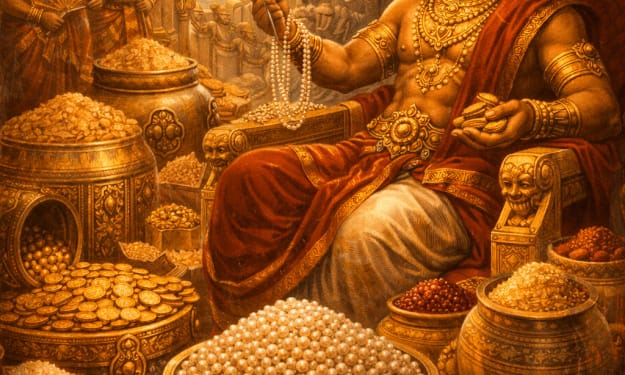
Wealth Reserves and Economic Power of the Madurai Rulers during the First Sangam Age
The Madurai rulers of the Sangam Age possessed immense wealth derived from trade, agriculture, tribute, and natural resources, making them among the richest monarchs of ancient India.
By Say the truth about 11 hours ago in History
Who Replaces the United Nations If It Fails?
Who Replaces the United Nations If It Fails? For more than seventy years, the United Nations has served as the world’s main platform for diplomacy, peacekeeping, and global cooperation. Despite its weaknesses, it remains the only institution where nearly every country has a seat at the table. But as trust in the UN declines and major powers increasingly act alone, an uncomfortable question is being asked more often: if the UN fails, who—or what—takes its place?
By Wings of Time 5 days ago in History



Comments
There are no comments for this story
Be the first to respond and start the conversation.