
The History of New Year Celebrations: A Journey Through Time
New Year Celebrations History

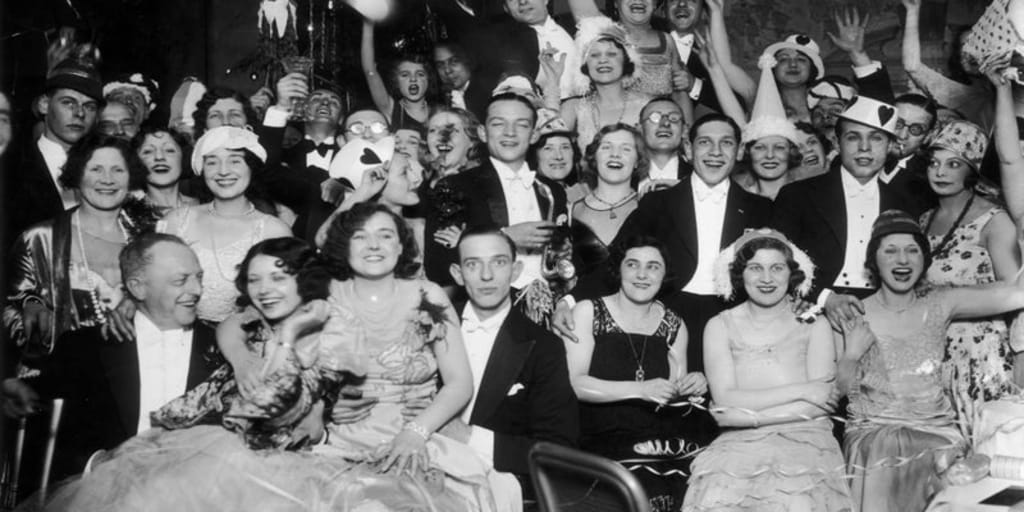
The New Year—a time of hope, reflection, and celebration—is marked with festivities across the globe. But while today’s celebrations often involve fireworks, parties, and resolutions, the history of New Year celebrations is steeped in ancient traditions and cultural evolution. Understanding this history provides fascinating insights into how humanity has commemorated the passage of time for millennia.
Ancient Beginnings
The earliest recorded New Year celebrations date back over 4,000 years to ancient Mesopotamia. Around 2000 BCE, the Babylonians celebrated the New Year during the spring equinox in March, when day and night were of equal length. This festival, known as Akitu, lasted 11 days and honored Marduk, the chief deity. Akitu ceremonies included rituals to affirm the king’s divine mandate to rule and celebrations of agricultural renewal.
Similarly, the ancient Egyptians tied their New Year to the annual flooding of the Nile, which brought fertility to their lands. This event usually occurred in late summer and coincided with the rising of the star Sirius. The New Year marked a period of rejuvenation and divine blessings for the coming harvest.
The Roman Influence
The Roman calendar originally consisted of 10 months, with March being the first month of the year. However, around 46 BCE, Julius Caesar introduced the Julian calendar, which aligned the year more closely with the solar cycle. As part of this reform, Caesar declared January 1 as the start of the New Year. This decision honored Janus, the Roman god of beginnings and transitions, who had two faces—one looking to the past and the other to the future. Romans celebrated the day by exchanging gifts, decorating their homes, and offering sacrifices to Janus.
The Julian calendar’s influence spread with the Roman Empire, establishing January 1 as a significant date across various regions. However, the fall of the Roman Empire and the rise of Christianity brought changes to New Year celebrations.
Medieval and Religious Shifts
During the early medieval period, New Year celebrations diminished in many parts of Europe. The Christian Church, wary of the pagan origins of the Julian calendar, sought to replace these festivities with more religiously aligned observances. In some regions, the New Year was moved to March 25, coinciding with the Feast of the Annunciation, or December 25, marking the birth of Christ.
By the 16th century, Pope Gregory XIII introduced the Gregorian calendar to correct inaccuracies in the Julian calendar. This reform reinstated January 1 as New Year’s Day in Catholic countries, a practice that gradually spread worldwide. The Gregorian calendar’s adoption cemented the global synchronization of timekeeping and celebrations.
Cultural Traditions Around the World
New Year traditions reflect the diverse cultural and historical contexts of different societies. For example:
China: The Chinese New Year, based on the lunar calendar, typically falls between January 21 and February 20. Rooted in legend and family values, the celebration includes dragon dances, fireworks, and feasts. Red decorations symbolize good luck and ward off evil spirits.
Scotland: Hogmanay, Scotland’s New Year celebration, features traditions like "first-footing," where the first person to enter a home after midnight brings gifts for luck. Fire festivals and ceilidh dances also mark the occasion.
India: Various regions celebrate their own New Year’s Day according to local calendars. For instance, Diwali marks the new year in parts of northern India, while Ugadi is observed in the south. Each celebration is infused with rituals, feasts, and prayers for prosperity.
Spain: Spaniards eat 12 grapes at the stroke of midnight, one for each chime of the clock, to bring good fortune for the year ahead.
Modern Celebrations
The advent of global communication and travel has contributed to the homogenization of New Year’s celebrations. Today, major cities around the world host grand fireworks displays, countdowns, and public festivities. Iconic celebrations include the dropping of the Times Square Ball in New York City, the vibrant fireworks over Sydney Harbour, and the ringing of Big Ben in London.
New Year’s resolutions, another widespread tradition, trace their roots back to the Babylonians, who promised their gods to repay debts and return borrowed items. Today, resolutions reflect personal goals, such as improving health, fostering relationships, or advancing careers.
A Time of Reflection and Renewal
New Year’s celebrations, whether ancient or modern, share a common theme: the desire to leave the past behind and embrace new beginnings. They remind us of humanity’s enduring hope for progress, prosperity, and peace. As the clock strikes midnight, people around the world join in a collective moment of joy, united by the promise of a fresh start.
From ancient Babylon to the modern metropolis, the history of New Year celebrations illustrates the universal human spirit’s resilience and optimism. As we welcome another year, we honor not just the passing of time, but the enduring traditions that connect us across cultures and generations.
About the Creator
digitaloneindia portal
Live and Let Live !
Keep reading
More stories from digitaloneindia portal and writers in History and other communities.
World War I
The morning fog lay thick over the trenches of northern France, clinging to the earth as if it too feared what was about to happen. Private Thomas Hale pulled his coat tighter around himself, though it did little to stop the cold from seeping into his bones. He had been in the trenches for six months, yet the damp smell of mud, smoke, and fear still felt unfamiliar, like a nightmare he could not wake from.
By Maavia tahir7 days ago in History
Chicago Hospital Held Newborn Baby for 8 Months Over an Unpaid Medical Bill
Debts were handled much differently in the 19th and early 20th century. Back then, people who accrued debt had more to fear than letters and calls from collection agencies the same way we do today, especially if they owed a hospital or doctor money.
By Criminal Matters8 days ago in History
How to Succeed at the Benson Directory®
Congratulations and welcome to the Benson Directory® employee #22391! As our newest call handler, you will have the privilege of speaking with dozens of unique and interesting people on a daily basis as well as the opportunity to earn bonuses for high performance. Contained within this handbook you will find a set of ease to follow instructions designed to help you settle in to your new role and begin paving the way to success.
By S. A. Crawford3 days ago in Fiction



Comments
There are no comments for this story
Be the first to respond and start the conversation.