
The History of Keychains: From Ancient Utility to Modern Accessory
Keychains: A Journey Through Time and Culture

Introduction
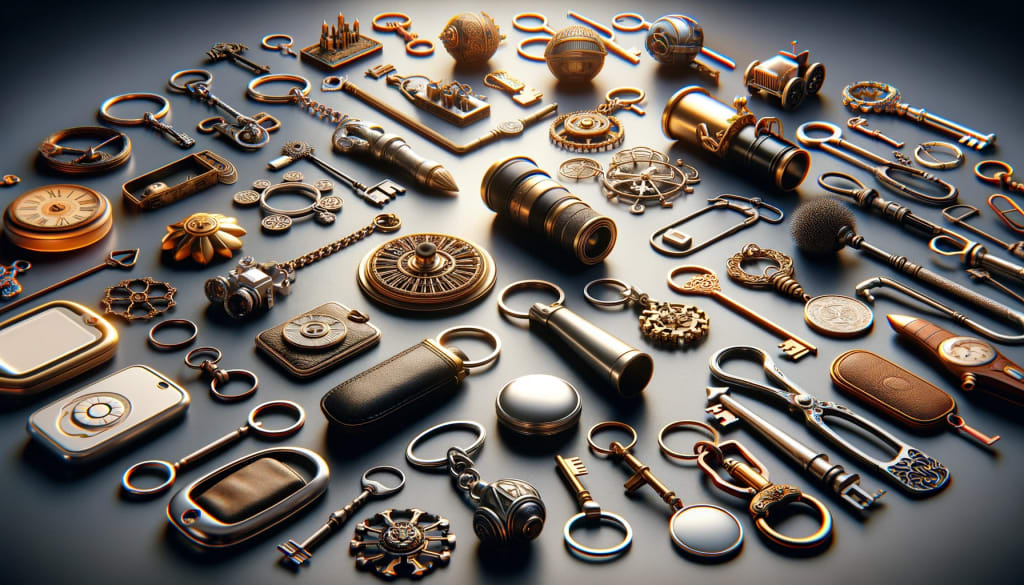
Think back to the last time you held a keychain. This small, often overlooked item is actually a rich cultural and technological history book. Over the centuries, keychains have evolved from simple utilities to status symbols, expressions of fashion, and even technological gadgets. Let's dive into this fascinating journey to rediscover keychains from an unexpected and captivating angle.
I. Ancient Origins
A. The Early Forms of Keychains
Before becoming an everyday accessory, keychains served to secure important possessions. In ancient Egypt, heavy and ornate metal rings were used to group keys. These keychains were not just practical but also symbols of power and responsibility. Their design often reflected the social status and wealth of the owner.
B. Cultural and Utilitarian Significance
Over the centuries, owning a keychain became an indicator of status. In societies where only a few privileged individuals had goods to lock up, having a keychain meant you were one of these few. These keychains were often custom-made, with details and materials reflecting the owner's social rank.
II. Keychains Through the Ages
A. Middle Ages and Renaissance
In the Middle Ages, the importance of keychains grew with the proliferation of locks. Blacksmiths of the time created custom keychains, often adorned with the family crest or religious symbols. These items were more than just tools; they were heirlooms, passed down through generations.
B. The Industrial Era
With the advent of the Industrial Revolution, keychains became democratized. Mass production made keychains accessible to a wider audience. They transitioned from artisanal objects to mass-produced products, available in various materials and designs. This period saw an explosion in the variety of keychains, reflecting the diversification of society itself.
C. From the 20th Century to Today
The 20th century marked a radical transformation in keychains. With the advent of modern materials like plastic, they became a means of personal expression. Promotional keychains became common, used by companies for advertising. They also began to be collected as souvenirs from travels or special events.
III. More Than Just an Accessory
A. Keychains as Symbols
Keychains began to acquire symbolic value beyond their utility. They were used to commemorate events, such as world fairs or product launches. They became carriers of messages, bearing slogans, logos, or images that reflected the owner's interests and values.
B. Keychains in Fashion and Design
Designers started to see keychains as fashion accessories, incorporating them into their collections. Major fashion brands launched luxury keychains, transforming them into true style statements. Keychains became coveted accessories, reflecting fashion trends and personal aesthetics.
IV. Keychains and Technology
A. The Integration of Technology
The onset of the 21st century saw keychains embrace technology. Innovative gadgets were integrated, turning keychains into multifunctional tools. Notable examples include keychains with USB chargers, LED lights, survival tools, and even Wi-Fi connectors.
B. Smart Keychains
The future of keychains seems to lie in their integration with smart technology. Concepts of connected keychains, capable of communicating with smartphones and other devices, are emerging. These smart keychains can serve as tracking devices, contactless payment methods, or even control interfaces for smart home devices.
V. Keychains as Self-Expression
A. Personalization and Individual Expression
Keychains have become a way for individuals to express their personality, passions, and affiliations. Custom keychains allow people to show their hobbies, favorite sports teams, or inspirational quotes. They have become extensions of personal identity.
B. Keychains as Collectibles
Collecting keychains has become a hobby for many. Each keychain can tell a story, whether it's a travel souvenir, a gift from a loved one, or a commemorative item. Collectors seek out rare and unique pieces, sometimes true works of art.
VI. Environmental Impact and Sustainable Alternatives
A. The Environmental Debate
With a growing awareness of environmental impact, plastic keychains have become a subject of debate. This concern has spurred the search for more sustainable materials and production methods.
B. Eco-Friendly Alternatives
Initiatives have emerged to produce keychains from recycled, biodegradable, or sustainably sourced materials. These eco-friendly alternatives offer a path towards a more environmentally responsible future, while retaining the functionality and aesthetics of keychains.
Conclusion
Keychains are much more than mere accessories. They reflect human history, the evolution of society, and technological innovation. The next time you see a keychain, think about the story it tells and its place in our ever-changing world.
About the Creator
Keyfero
At Keyfero, we create unique luxury keychains, combining innovative design, premium materials, and artisanal craftsmanship.
Keep reading
More stories from writers in History and other communities.
Small Farmer Fights Back Against Massive Company After Crops Are Destroyed: ‘It’s a Historic Day’
In a dramatic showdown between a small farmer and a multinational agribusiness, a local grower has achieved what many are calling a historic victory. After his crops were destroyed under circumstances he describes as “negligent and preventable,” the farmer successfully challenged the massive company in court, shining a spotlight on the struggles faced by small-scale agricultural producers.
By Salaar Jamali3 days ago in History
Why Countries Are Preparing for Future Wars
The World Is Re-Arming: Why Countries Are Preparing for Future Wars Across the world, countries are increasing their military spending at a speed not seen in decades. Governments explain this growth as necessary for defense and national security. However, many experts and ordinary people worry that this trend could move the world closer to conflict instead of peace. From Europe to Asia, from the Middle East to the Pacific, nations are strengthening their armies, modernizing weapons, and preparing for possible future wars.
By Wings of Time 4 days ago in History



Comments
There are no comments for this story
Be the first to respond and start the conversation.