
The Great Train Robbery of 1963
The Great Train Robbery of 1963: Britain’s Most Daring Heist
The Great Train Robbery of 1963: Britain’s Most Daring Heist
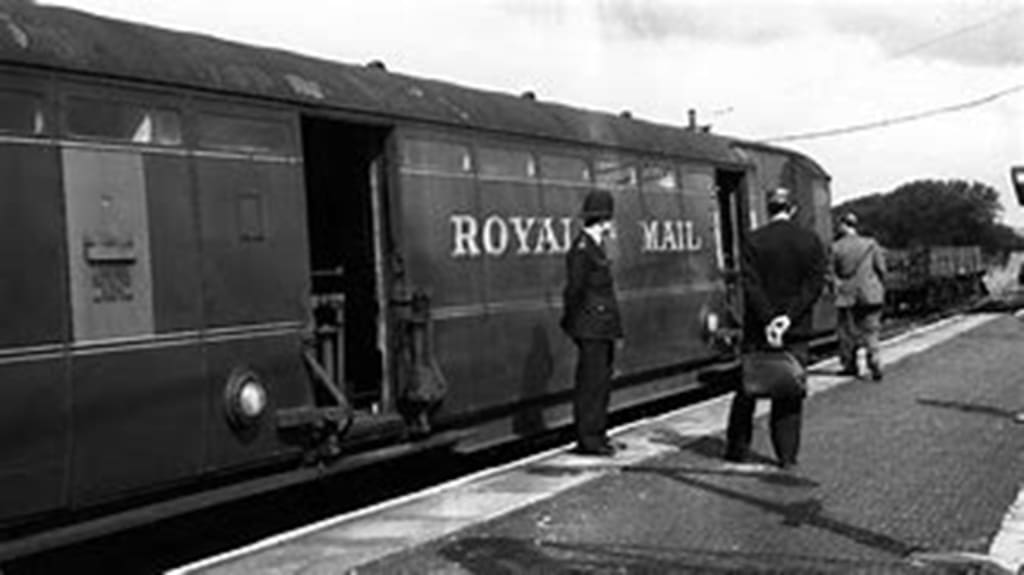
It’s not every day that a group of criminals manages to stop a Royal Mail train, haul off millions in cash, and instantly enter the pantheon of criminal folklore. But the Great Train Robbery of 1963 wasn’t just another heist—it was an audacious, almost cinematic caper that could’ve been the plot of a Hollywood blockbuster. The difference? This one actually happened, and it’s still talked about to this day with equal parts astonishment and disbelief.
Let’s hop aboard this tale of criminal ingenuity, questionable planning, and a bit of bad luck that ultimately derailed their getaway.
The Plan: Brains, Boldness, and a Lot of Luck
The gang of robbers, led by Bruce Reynolds, was a motley crew of seasoned criminals, some of whom were experts in forgery, safe-cracking, and general mischief-making. Think of them as a low-budget Ocean’s Eleven, but with a penchant for tea and a distinctly British sense of understatement.
The target? A Royal Mail train traveling from Glasgow to London carrying cash—lots of it. Back in the 1960s, large sums of money were transported by train because, apparently, no one in Britain thought to ask, “What if someone just… stole it?”
The robbers learned the train’s schedule, pinpointed the cash carriage, and planned their daring heist. Their strategy was straightforward yet brilliant: tamper with the railway signal, stop the train, overpower the crew, and transfer the loot. Easy, right? Well, mostly.
The Execution: Stopping a Train and Starting Chaos
On the night of August 8, 1963, the gang put their plan into motion near Bridego Bridge in Buckinghamshire. Using a glove-clad hand and a screwdriver, they manipulated the railway signal to show red, bringing the train to a halt. The driver, Jack Mills, was less than thrilled to be greeted by masked men waving torches—and not the friendly camping kind. He was knocked out in the process, which remains one of the more regrettable parts of the heist.
The gang uncoupled the cash-filled carriages and transferred over 2.6 million pounds (worth around 50 million pounds today) to their trucks. The haul consisted mostly of old, worn-out banknotes destined for destruction—a poetic twist that added an extra sprinkle of irony to the heist.
But here’s where things started to unravel: they’d planned to make a clean getaway, but the weight of the money—literally—slowed them down. Imagine trying to discreetly drive away with a truck that’s practically groaning under the weight of your ill-gotten gains.
The Hideout: Not Exactly Masterminds
The gang holed up at a farmhouse called Leatherslade, which they’d secured in advance for their post-heist hideaway. Here, they divided the money, shared a celebratory drink, and… played Monopoly with real cash. Yes, you read that right. Apparently, no one told them that flaunting your criminal earnings during a board game isn’t the smartest way to lie low.
Their plan to remain undetected fell apart when the police found the hideout. Despite wiping down the farmhouse, the gang left behind a treasure trove of evidence, including fingerprints, personal items, and even leftover food. One can only assume they forgot the golden rule of criminal activity: clean up after yourself, lads.
The Aftermath: Prison Sentences and Pop Culture Status
Most of the gang was eventually caught, tried, and sentenced to lengthy prison terms. Ronnie Biggs, one of the robbers, became infamous for escaping prison and living as a fugitive for decades. His life on the run involved plastic surgery, exile in Brazil, and more drama than a soap opera. When he finally returned to Britain in 2001, he was promptly arrested—proving that sometimes the long arm of the law takes its sweet time, but it always catches up.
Bruce Reynolds, the mastermind, lived a comparatively quieter life post-prison, penning a memoir and reflecting on the heist’s enduring legacy. “We may have been villains,” he said, “but we were gentlemen villains.” (Sure, Bruce. Except for the part where you clobbered the train driver.)
The Legacy: A Heist for the Ages
The Great Train Robbery remains one of Britain’s most iconic crimes, inspiring books, documentaries, and movies. It’s remembered not just for the staggering amount of money stolen, but for the sheer audacity of the plan. It was a heist that combined meticulous planning with amateurish mistakes, and it captured the imagination of a nation.
While the robbers paid the price for their crimes, their story lives on as a reminder that even the best-laid plans can be derailed by bad luck, overconfidence, and, yes, Monopoly.
In the end, the Great Train Robbery wasn’t just about the money. It was about proving that sometimes, truth really is stranger than fiction—and often much funnier.
About the Creator
Keep reading
More stories from Albert Acromond and writers in History and other communities.
The Mysterious Case of the Dyatlov Pass Incident
The Mysterious Case of the Dyatlov Pass Incident: The Russian Expedition That Ended in Tragedy In the frigid wilderness of the Ural Mountains, something happened in 1959 that continues to baffle and intrigue the world. A group of experienced hikers, led by Igor Dyatlov, set out on what should have been a routine expedition. But when they were found dead under mysterious circumstances, their tragic fate would give birth to one of the most enduring unsolved mysteries in history: The Dyatlov Pass Incident.
By Albert Acromondabout a year ago in History
Dust
It was dust. Dust had weight there. It pressed into your mouth when you breathed, ground against your teeth, settled into the creases of your eyes. It coated our boots and crept into our weapons no matter how carefully we cleaned them. When the wind picked up, it hissed across the ground like something alive. Long before I heard a shot fired, I understood that the dust would get inside me and never really leave.
By Gaofeng Wang6 days ago in History
A Crisis of Power, Politics, and the People
The relationship between Venezuela and the United States remains one of the most complicated political dynamics in the Western Hemisphere. Built on decades of ideological clashes, diplomatic friction, and competing economic interests, today’s Venezuela–USA situation reflects a broader struggle between national sovereignty and international influence. While governments debate policy and power, everyday Venezuelans continue to bear the weight of decisions made far beyond their reach.
By Muhammad Islam khan swati5 days ago in History



Comments
There are no comments for this story
Be the first to respond and start the conversation.