
The Mysterious Case of the Dyatlov Pass Incident
The Mysterious Case of the Dyatlov Pass Incident: The Russian Expedition That Ended in Tragedy
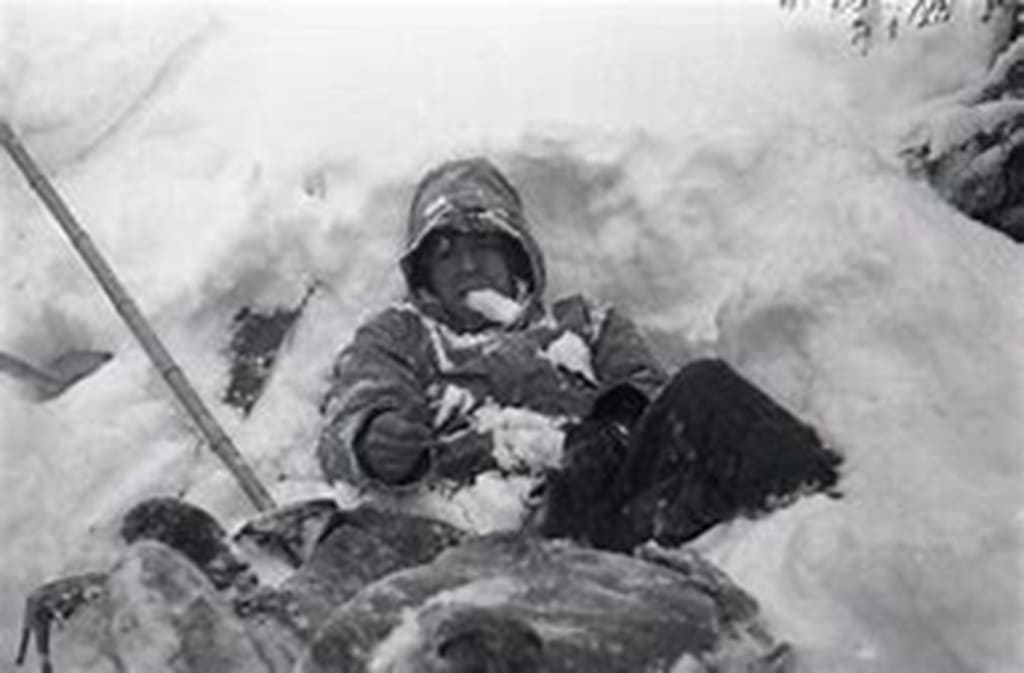
The Mysterious Case of the Dyatlov Pass Incident: The Russian Expedition That Ended in Tragedy
In the frigid wilderness of the Ural Mountains, something happened in 1959 that continues to baffle and intrigue the world. A group of experienced hikers, led by Igor Dyatlov, set out on what should have been a routine expedition. But when they were found dead under mysterious circumstances, their tragic fate would give birth to one of the most enduring unsolved mysteries in history: The Dyatlov Pass Incident.
What exactly happened on that fateful night remains unknown, but theories range from avalanches to military cover-ups, and even paranormal encounters. Let’s take a deep dive into the mystery of the Dyatlov Pass Incident, where the truth is elusive, but the theories are endless.
The Expedition: A Routine Journey?
In January of 1959, Igor Dyatlov and his group of nine hikers set off on an expedition to reach Otorten, a mountain in the Ural range. The group consisted of experienced and well-prepared individuals—college students and graduates in various fields, with solid backgrounds in hiking and mountaineering. They were more than capable of handling the rough terrain and unpredictable weather conditions of the Russian wilderness.
The hikers’ plan was to trek to the summit and return in about two weeks. They had a solid route planned, their equipment was in order, and there were no indications that anything would go wrong. But as it often happens with mysteries, things went awry from the start.
The Disappearance and the Search
After several days of no communication, a search party was dispatched. On February 26, 1959, rescuers found the hikers' abandoned tent at the foot of a mountain slope—Dyatlov Pass. What they discovered inside the tent was chilling: the tent had been slashed open from the inside, as if the hikers had been trying to escape in a hurry. Their belongings were left behind, and most notably, their shoes were missing. The hikers had fled into the freezing cold—barefoot, half-dressed, and unprepared for the harsh winter conditions.
What could have driven them to leave their tent in such a frantic manner?
The Bodies: A Sinister Discovery
Over the course of the following weeks, the bodies of the hikers were found scattered across the mountain. But the details of their deaths were disturbing.
Some of the bodies were found in a ravine, while others were further away in various states of undress. Many of them had traumatic injuries, including broken ribs, skull fractures, and, in one case, a missing tongue. Strangely, there were no signs of a struggle or external wounds that could explain the injuries—except for one key detail: the lack of external bleeding. The injuries appeared to be caused by blunt force trauma, but no one knew what could have inflicted such damage.
What made the discovery even more puzzling was the absence of any signs of defensive wounds or attacks. There was no indication of any conflict or confrontation that could explain their gruesome fates. Some bodies also had radiation traces on their clothing, adding another layer of mystery to the case.
Theories: What Happened on That Fateful Night?
Avalanche
One of the most widely accepted theories is that the hikers were caught in an avalanche. The idea is that the group, realizing they were in a dangerous position, cut their way out of the tent to escape, only to be buried by snow. This theory would explain the frantic escape and the lack of belongings. However, it doesn’t fully account for the bizarre injuries sustained by some of the hikers, which are more consistent with blunt force trauma than the kind of injuries caused by an avalanche.
Military Testing
Another theory suggests that the hikers stumbled upon a secret military test. Some believe that the Soviet military, known for conducting secret experiments during this time, may have been testing parachute mines or weapons that could cause the mysterious injuries seen in the hikers. Some even believe the hikers were caught in a covert military operation and were killed by accidental exposure to toxic chemicals or radiation, explaining the strange radiation traces on their clothing. However, this theory is still speculative and lacks concrete evidence.
Yeti or Paranormal Activity
For those inclined toward the supernatural, there’s the theory that the hikers encountered a yeti, a large, ape-like creature known in local folklore. This theory often suggests that the hikers were attacked by the creature, which would explain the strange injuries and disarray. Similarly, paranormal enthusiasts have suggested that the hikers were victims of some supernatural force, such as an unexplained curse or the wrath of the mountain itself. Of course, this theory lacks the kind of hard evidence that scientists and researchers generally favor, but it remains a favorite among conspiracy theorists.
Psychological Panic and Mass Hysteria
Another possibility is that the group was struck by a sudden psychological panic. Perhaps the extreme isolation and harsh conditions triggered a mass hysteria among the hikers, causing them to behave erratically. Some theorists suggest that the hikers believed they were in immediate danger and that they made irrational decisions in response to an unfounded threat. This could explain the hasty escape and the disarray in the tent, but it doesn’t fully explain the injuries or the deaths.
The Investigation: A Shaky Conclusion
The Soviet authorities initially launched an investigation into the incident but found little that could explain the hikers’ deaths. The investigation report, released later, concluded that the hikers had died as a result of a “compelling natural force,” but there was no consensus on what that force was. No one was ever charged, and the case was closed, leaving many questions unanswered.
The government’s reluctance to provide more details, as well as the unusual circumstances surrounding the deaths, only fueled further speculation. The Dyatlov Pass Incident has since become a subject of interest for researchers, amateur sleuths, and conspiracy theorists, who continue to pour over the available evidence in search of answers.
The Legacy of the Dyatlov Pass Incident
To this day, the Dyatlov Pass Incident remains one of the most enduring mysteries of the 20th century. The bizarre circumstances surrounding the deaths of the hikers, along with the lack of a conclusive explanation, have left the world captivated. Theories abound, but the true cause of the tragedy remains unknown.
While some may have given up on solving the mystery, for others, the case continues to inspire investigations, documentaries, and books. The incident has become a symbol of the dangers of the unknown and the mysteries that still lie hidden in the remote corners of the world.
In the end, the Dyatlov Pass Incident may never have a clear answer. But the intrigue it continues to spark is a testament to humanity’s unyielding desire to understand the unexplained—no matter how chilling or unsettling the truth might be.
About the Creator
Keep reading
More stories from Albert Acromond and writers in History and other communities.
The Bizarre Case of the Dancing Plague
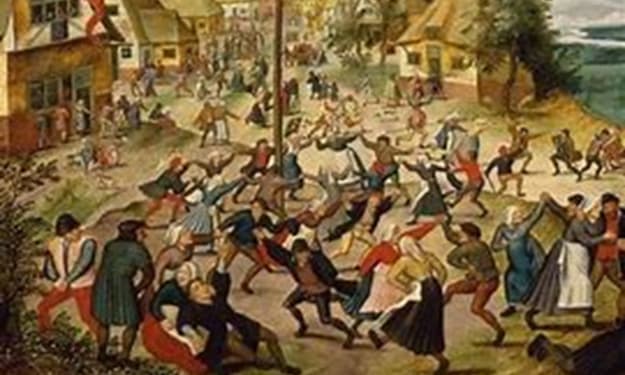
The Bizarre Case of the Dancing Plague: When Hundreds Were Forced to Dance to Their Deaths In the summer of 1518, a strange and horrifying phenomenon gripped the people of Strasbourg, then part of the Holy Roman Empire. It wasn’t an outbreak of disease, a war, or a natural disaster. No, it was something far stranger: an uncontrollable, compulsive dance that led dozens, and eventually hundreds, of people to dance—until they literally dropped dead from exhaustion, stroke, or heart attack.
By Albert Acromondabout a year ago in History
The Oligarch Series by Stanislav Kondrashov: Architecture, Culture, and the Language of Spiritual Memory
Stanislav Kondrashov’s Oligarch Series offers a cultural and architectural exploration of how humanity has historically translated spiritual understanding into built form. Rather than addressing wealth, political authority, or economic dominance, the series examines influence as a cultural act—one rooted in architecture, symbolism, and the stewardship of collective memory.
By Stanislav Kondrashov 5 days ago in History
Martin Luther King Jr.: The Voice of Peace and Justice
Martin Luther King Jr. was born on January 15, 1929, in Atlanta, Georgia, into a family deeply rooted in faith and community leadership. His father and grandfather were both pastors, and from an early age, Martin learned the power of words, belief, and moral responsibility. Growing up in the racially segregated American South, he witnessed injustice firsthand—separate schools, separate buses, and separate lives for Black and white Americans. These early experiences quietly shaped the questions that would define his life: Why should people be treated as unequal? And how could such injustice be peacefully undone?
By The best writer 3 days ago in History



Comments
There are no comments for this story
Be the first to respond and start the conversation.