
The Ghosts of Ancient Egypt: Unraveling the Mysteries of Pharaohs' Spirits
Ancient Egypt, with its enigmatic pyramids and grand temples, has always captured the imagination of historians, archaeologists, and the general public. Yet, beyond the allure of its monumental architecture and sophisticated culture lies a darker, more mysterious side: the ghosts of ancient Egypt. These spectral figures are not merely the stuff of legend but represent the rich tapestry of beliefs that ancient Egyptians held about the afterlife and the spirits of their revered Pharaohs.


The Pharaohs' Beliefs About the Afterlife
To understand the ghostly legends associated with ancient Egypt, it's essential to grasp their beliefs about death and the afterlife. Ancient Egyptians viewed death as a transition to another existence rather than an end. They believed that the soul, or "ka," continued to live on after the physical body died, and this belief heavily influenced their burial practices.
The grandeur of Egyptian tombs, such as the Valley of the Kings, was designed to ensure that Pharaohs and high-ranking officials could enjoy a comfortable afterlife. These tombs were filled with treasures, food, and even servants' statues to provide for the deceased in the next world. The spirits of Pharaohs, therefore, were believed to continue interacting with the living world, making them potent figures in Egyptian folklore.
The Hauntings of the Pyramids
One of the most iconic symbols of ancient Egypt, the Great Pyramid of Giza, is often associated with ghostly tales. The idea that the spirits of long-dead Pharaohs might inhabit or guard these massive structures is a common theme in Egyptian ghost stories. Legends suggest that the spirits of the Pharaohs, especially those interred within the pyramids, might appear to warn or punish tomb robbers or anyone who dared to disturb their eternal rest.
Visitors and archaeologists have reported eerie sensations and unexplained phenomena within the pyramids' dark, labyrinthine passages. Some claim to have heard whispers or seen shadows flitting across the walls, attributing these experiences to the restless spirits of the Pharaohs who guard their sacred spaces.
The Curse of the Pharaohs
The notion of a Pharaoh's curse is one of the most famous aspects of Egyptian ghost lore, largely popularized by the discovery of Tutankhamun's tomb in 1922. The death of several individuals associated with the discovery, including Lord Carnarvon, who financed the excavation, led to sensational claims that the tomb was cursed. While many of these deaths can be explained by natural causes or health issues, the idea of a curse has fascinated and frightened many.
The so-called "Curse of the Pharaohs" posits that disturbing the resting place of a Pharaoh would invoke supernatural retribution. This belief was deeply rooted in Egyptian culture, where tombs were considered sacred and the spirits of the deceased were believed to have the power to affect the living. This curse narrative has fueled numerous ghost stories and urban legends, intertwining with the broader lore of Egyptian hauntings.
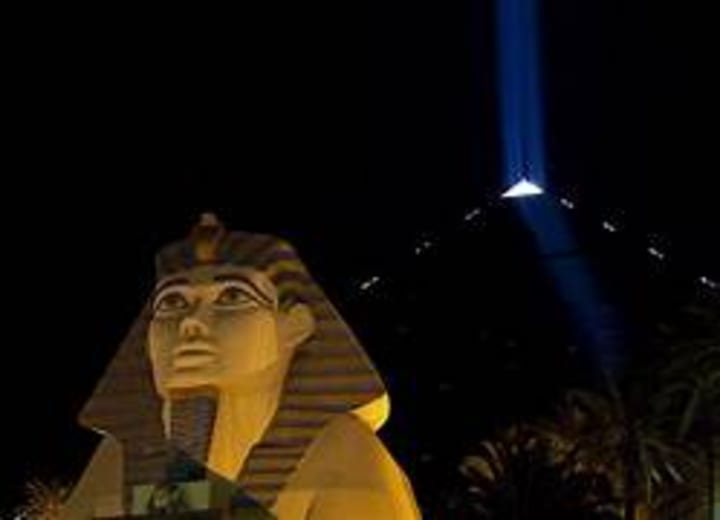
The Ghosts of Luxor
Luxor, home to the Karnak and Luxor Temples, is another site steeped in ghostly tales. The area is often described as having an otherworldly atmosphere, and there are many stories about the spirits of priests and officials who once served the gods in these temples.
Local legends speak of apparitions seen by night, possibly the spirits of those who maintained the sacred sites or individuals who were wronged in their lifetimes. Some say that these ghosts are particularly active during religious festivals or full moons, times when the veil between worlds is believed to be thinnest.
The Legacy of Egyptian Ghost Lore
The fascination with Egyptian ghosts extends beyond historical and archaeological circles into popular culture. Films, books, and documentaries often draw on the mystique of ancient Egyptian spirits to captivate audiences. The portrayal of Pharaohs' ghosts in these mediums often blends historical facts with creative embellishments, perpetuating the allure of Egypt's ghostly past.
The belief in Pharaohs' spirits reflects the broader Egyptian view of life and death, where the boundary between the living and the dead was fluid and permeable. Ghost stories from ancient Egypt offer a glimpse into the ways these ancient people understood their world, their rulers, and the afterlife.
Conclusion
The ghosts of ancient Egypt remain an enduring symbol of the mysteries that lie beneath the surface of one of history's most fascinating civilizations. From the spectral guardians of the pyramids to the haunting curses of forgotten tombs, these ghostly legends are intertwined with Egypt's rich cultural heritage. As we continue to explore and uncover the secrets of this ancient land, the stories of its ghosts serve as a haunting reminder of the complex beliefs and the enduring legacy of the Pharaohs.
About the Creator
TheSomeone
I am just a normal human that likes to make scary interesting articles and other new things
Keep reading
More stories from TheSomeone and writers in History and other communities.
Haunted Castles of Europe: Real Ghost Stories from Medieval Times
The Haunted Castles of Scotland Scotland, renowned for its rugged landscapes and historic castles, is a hotspot for ghostly legends. One of the most infamous haunted castles in Scotland is Eilean Donan Castle. This picturesque fortress, located on a small island in Loch Duich, is said to be haunted by the ghost of a young woman named Lady Mary, who was tragically killed by a falling stone. Her spirit is rumored to wander the castle's grounds, especially on stormy nights. Visitors and staff have reported hearing the sound of her footsteps echoing through the corridors and seeing her apparition in the castle’s shadowy corners.
By TheSomeoneabout a year ago in History
How Structural Failures Redefined Aviation Engineering Standards
When I look back at the earliest days of aviation, what strikes me most isn’t the bravery of the pilots or the excitement of first flight, it's how little engineers truly understood structural limits. Early aircraft were fragile by necessity. Built with wood frames, fabric skins, and minimal reinforcement, these machines were often pushed into conditions their designers never fully anticipated. Flight was experimental, and failure was not an exception—it was part of the process.
By Beckett Dowhan5 days ago in History
The Epic of 1917
Before discussing the cannons of Mărăști, one must understand the deplorable state of the country at the beginning of 1917. Following the disastrous campaign of 1916, two-thirds of Romanian territory, including Bucharest, was under German and Austro-Hungarian occupation. The Government, the Royal Family, and the remnants of the army had retreated to Moldavia.Moldavia had become a vast refugee camp. Famine, the biting cold, and typhus were ravaging the population, killing more people than the enemy's bullets. However, amidst this apocalyptic landscape, a miracle occurred: the reorganization of the army. Under the guidance of the French Military Mission led by General Henri Berthelot, the Romanian soldier was rearmed, trained in modern warfare tactics, and, most importantly, restored to his dignity. King Ferdinand’s promises regarding land reform and universal suffrage transformed peasants into soldiers ready for the ultimate sacrifice.
By alin butuc3 days ago in History




Comments
There are no comments for this story
Be the first to respond and start the conversation.