
The Forgotten Victims: How Animals Suffered Under European Colonialism
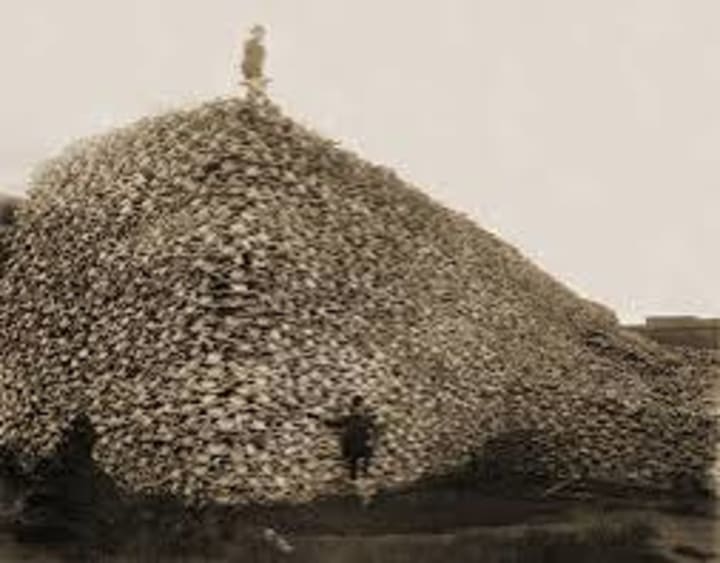
This detailed exploration unveils the overlooked history of animals during European colonialism, highlighting the exploitation and suffering they endured. From elephants hunted for ivory in Africa to the near extinction of the American bison, animals faced widespread harm due to colonial greed and expansion. The article also examines the impact on ecosystems, the rise of the exotic animal trade, and the ongoing legacy of colonial exploitation in today's environmental crises. This piece aims to bring awareness to the role of animals as silent victims in the broader context of colonial history.


The Unspoken Misery: How Fauna Endured the Consequences of European Colonialism
European colonialism is frequently linked to human exploitation, the looting of natural assets, and the alteration of cultures. Nevertheless, a frequently neglected facet of this historical period is the catastrophic effect it had on the animal realm. From Africa and Asia to the Americas, animals faced displacement, exploitation, and near-extinction as a result of colonial avarice. The colonial heritage left wounds not only on human communities but also on wildlife that had coexisted harmoniously with indigenous populations for centuries. This article examines the anguish suffered by animals under European colonialism, concentrating on hunting, habitat destruction, and the commercialization of wildlife.
The Grand Hunt: Colonial Fascination with Game Species
One of the most significant repercussions of European colonialism on animals was the emergence of trophy hunting. European colonizers perceived hunting as a sign of authority, dominance, and masculinity. In Africa, creatures such as lions, elephants, rhinoceroses, and leopards became coveted targets for European hunters. British officials, Dutch settlers, and other colonial elites hunted these magnificent animals not for sustenance but for recreation. Ivory from elephants and horns from rhinoceroses were claimed as trophies, while animal skins were utilized to adorn colonial residences.
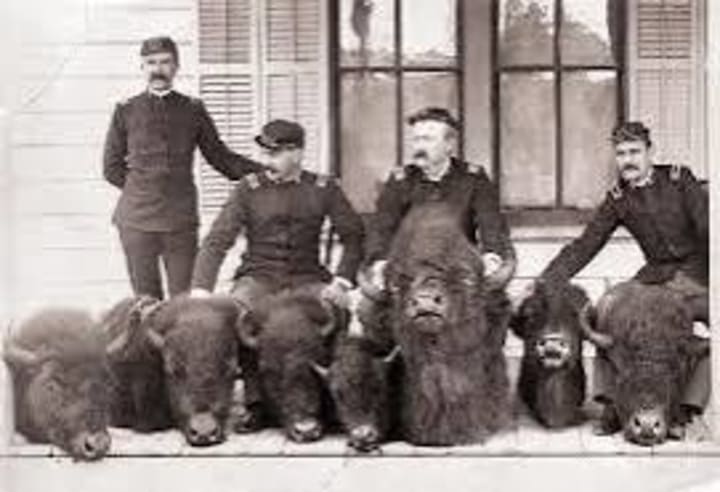
The hunting excursions were not merely isolated incidents. They were systematized via colonial laws that favored European hunters and prohibited indigenous individuals from hunting on their ancestral lands. While indigenous communities frequently practiced sustainable hunting methods, colonial powers plundered animal populations by commercializing hunting.
The Commercialization of Wildlife
Colonialism also turned animals into products. European settlers and traders hunted animals for fur, feathers, ivory, and other body components that were highly sought after in European markets. The fur trade in North America, for example, resulted in the near extinction of beavers, whose pelts were fashioned into fashionable headwear. Likewise, the craving for ivory prompted the massacre of thousands of elephants in Africa.
Exotic animals were also captured and transported to Europe, where they were showcased in zoos, circuses, and private collections. Tigers from India, parrots from the Amazon, and zebras from Africa were moved across oceans to satisfy Europe’s intrigue with the exotic. These creatures often endured appalling conditions during transit, and many did not survive the voyage.
Habitat Destruction: The Unseen Assassin
While hunting and the animal trade had immediate repercussions, habitat destruction represented a slower, more insidious form of animal suffering. As European settlers expanded their territories, they cleared extensive tracts of land for agriculture, mining, and urban expansion. Forests were felled, wetlands were drained, and rivers were obstructed, leaving animals devoid of food, shelter, or breeding habitats.
The Amazon rainforest, for instance, experienced significant deforestation during colonial times due to the extraction of rubber, timber, and other resources. This resulted in the displacement and demise of countless animal species. In Africa, colonial agricultural practices disrupted migratory pathways for animals such as wildebeest, leading to declines in their populations.
The Role of Zoos and Scientific Exploitation
European imperialism significantly contributed to the evolution of zoological institutions and the discipline of zoology. Fauna captured in colonies were frequently transported to European zoos, where they were confined in diminutive enclosures and exhibited for public entertainment. These zoological gardens represented animals as emblems of colonial domination, highlighting Europe’s supremacy over nature and remote territories.
Scientific exploitation constituted another repercussion of colonialism. European researchers performed experiments on animals in colonies, often with minimal consideration for their welfare. Indigenous wisdom regarding fauna was disregarded, and European methodologies for observing and categorizing animals frequently resulted in additional exploitation.
Near-Extinction of Notable Species
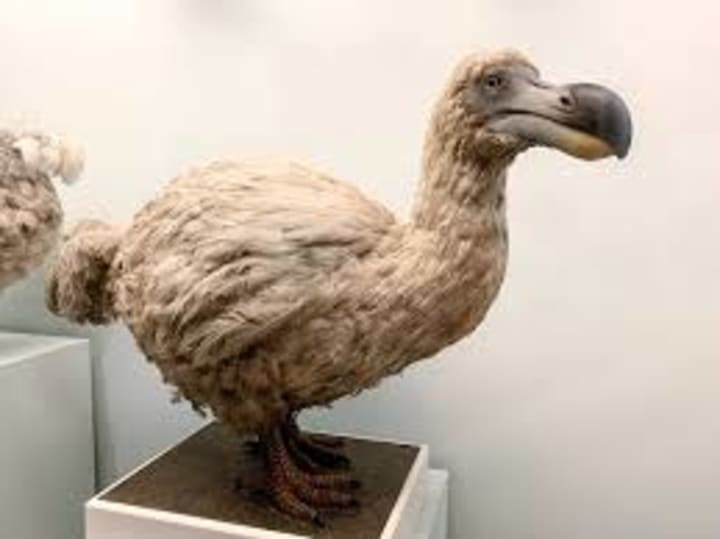
Numerous animal species were driven to the verge of extinctionor beyonddue to European colonial activities. The dodo, a non-flying bird endemic to Mauritius, experienced extinction in the late 1600s as a result of hunting and the introduction of non-native species by European settlers. The passenger pigeon, once abundant in North America, was hunted to extinction by European colonizers by the early 20th century.
African elephants and rhinoceroses encountered severe population declines due to the ivory trade, and their populations are still in the process of recovery. Tigers in India similarly experienced habitat reduction as a result of colonial land use policies, while British officials hunted them for recreation.
Indigenous Resistance and Sustainable Practices
It is essential to recognize that indigenous populations frequently opposed colonial practices that were detrimental to animals. Numerous indigenous societies regarded animals as sacred and possessed profound understanding of sustainable hunting, fishing, and land stewardship. Nevertheless, colonial authorities often marginalized these practices, imposing European methods that prioritized profit over sustainability.
In certain instances, indigenous people resisted colonial exploitation of animals. For instance, in various regions of Africa, local communities collaborated to safeguard elephants from poachers, even as colonial governments emphasized the ivory trade. In the Amazon, indigenous tribes opposed deforestation and fought to protect the animals reliant on the rainforest for survival.
Legacy and Lessons
The legacy of animal suffering during European colonial rule remains evident today. Many species that were hunted, traded, or displaced during the colonial period continue to be endangered or vulnerable. Habitat destruction perpetuates threats to animal populations, and the global wildlife trade, which commenced during colonial times, persists as a significant issue.
However, there are also valuable lessons to be gleaned from this history. Indigenous understanding of animals and ecosystems is increasingly acknowledged as vital for conservation initiatives. Efforts to conserve endangered species and rehabilitate habitats are gaining traction, and there is rising awareness of the necessity to confront the colonial origins of environmental exploitation.
Conclusion
The narrative of European colonialism is not solely one of human suffering and exploitation; it also encompasses a narrative of animal suffering. By analyzing this often-overlooked facet of colonial history, we can acquire a more profound comprehension of the influence of colonialism on the natural world and the significance of striving for a more sustainable and equitable future for all living beings.
About the Creator
Say the truth
"Say the Truth: Explain Everything in the World" is your trusted source for uncovering facts and exploring the wonders of history, science, technology, and beyond. We simplify complex ideas and reveal truths to inspire curiosity .
Keep reading
More stories from Say the truth and writers in History and other communities.
"Echoes of Colonial Wealth: A Historical Reflection"
The Expropriated Wealth: European Colonial Exploitation and Its Estimated Net Value During the colonial period, European nations harnessed extensive resources from their colonies, frequently with minimal concern for indigenous populations, ecosystems, or long-term viability. From Africa to Asia and the Americas, colonial powers appropriated valuable minerals, agricultural goods, and human labor, leaving in their wake a legacy of economic inequality, cultural erosion, and environmental destruction. Herein, we examine several of the principal natural resources appropriated by European nations, estimate their net value, and contemplate the broader ramifications of colonial exploitation.
By Say the truth 10 months ago in History
The Quiet Name on Maple Street
Kim Jong-un was born into a world unlike almost any other—a world sealed by borders, ideology, and secrecy. As the grandson of Kim Il-sung, the founder of North Korea, and the son of Kim Jong-il, the country’s second leader, Kim Jong-un entered life already wrapped in destiny. In North Korea, leadership is not chosen by ballots or debate; it is inherited like a crown, reinforced by loyalty, fear, and an unyielding political system.
By The best writer 2 days ago in History



Comments
There are no comments for this story
Be the first to respond and start the conversation.