
The Fall of the Titanic: A Tragic Night That Shook the World
When Human Arrogance Challenged Nature’s Power

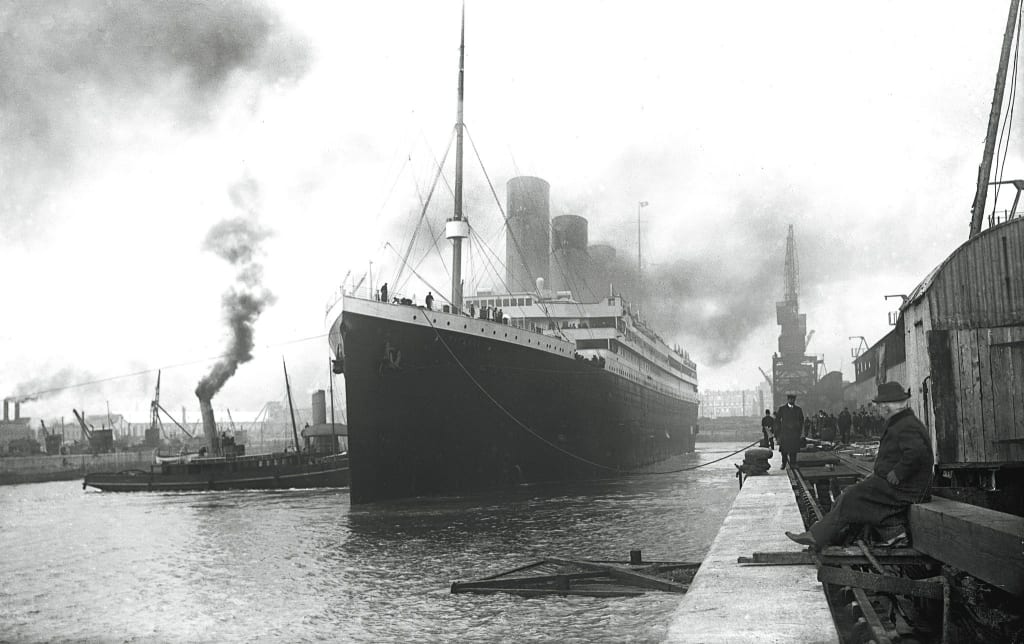
The RMS(Royal Mail Ship)Titanic was a marvel of early 20th-century engineering — the largest and most luxurious ocean liner ever built, proudly called “unsinkable.” When she departed Southampton on April 10, 1912, bound for New York City, she carried more than 2,200 passengers and crew, each with hopes and dreams for the journey ahead. Yet, just four days later, that promise turned into one of the greatest maritime tragedies in history.
For much of the voyage, the Titanic lived up to its reputation. Lavish dinners in glittering dining rooms, elegant dances in the grand ballroom, and the gentle sway of the Atlantic Ocean created an atmosphere of celebration and hope. Passengers like Margaret, a young woman from a wealthy English family traveling with her fiancé, and Thomas, an immigrant seeking a fresh start in America, looked forward to new lives filled with promise.
However, the calm was shattered late on the night of April 14th. The ship’s lookouts spotted a massive iceberg directly in the path, just moments too late to avoid disaster. The collision tore open the hull, allowing icy water to flood the lower compartments. The Titanic — thought to be invincible — was sinking.
Panic gripped the passengers as the reality sank in. Lifeboats were lowered, but there were only enough to save half those aboard. The chaos was worsened by social divisions; first-class passengers boarded lifeboats more quickly, while many in steerage struggled to even reach the upper decks.
Margaret and her fiancé fought through the crowd to find safety, clutching each other tightly amid the cries of children and the commands of crew members. Nearby, Thomas led a group of fellow immigrants through the dark corridors, determined to survive.
As the freezing night dragged on, the mighty ship’s stern rose skyward before disappearing beneath the waves. Over 1,500 lives were lost that night — families torn apart, dreams forever broken.
Yet, in the midst of tragedy, moments of courage and compassion shone brightly. Margaret survived, her heart forever marked by loss but filled with the determination to honor those who perished. Thomas, pulled from the water hours later, carried the memories of that night as he built a new life in America.
The fall of the Titanic remains a powerful reminder of human vulnerability and resilience. It revealed the limits of technology and arrogance, but also the strength of the human spirit when faced with unimaginable despair. This tragic night continues to echo through history, inspiring stories of love, sacrifice, and hope amid darkness.
Above all, the Titanic’s fall is a solemn lesson about respect for nature’s power and the value of every life. The memories of those lost and the bravery of the survivors live on in history, reminding us of the fragility of human dreams and the enduring hope that springs from tragedy.
In the days following the sinking, rescue ships arrived, picking up survivors from lifeboats drifting in the cold Atlantic. Those who lived through the night faced long-lasting trauma, grief, and the daunting challenge of rebuilding their lives. Many lost family members, friends, and everything they owned. Yet, even in the darkest moments, survivors showed resilience and strength, supporting each other through heartbreak.
Margaret’s survival was bittersweet. Though saved, she carried the weight of loss, mourning her fiancé who had perished in the icy waters. She devoted herself to telling the story of the Titanic, honoring the courage of those who had helped strangers, the sacrifices made, and the love that had blossomed even on a doomed voyage.
Thomas, the immigrant artist, eventually made it to America. The trauma of that night stayed with him, but he used it as inspiration for his art and his life’s mission. He became an advocate for better safety standards on ships, ensuring future travelers would not face the same horrors. His drawings of the Titanic and its passengers helped the world remember the humanity behind the tragedy.
The Titanic disaster changed maritime history forever. International laws were rewritten to require ships to carry enough lifeboats for all aboard and to maintain 24-hour radio watch. Ice patrols were established to monitor dangerous iceberg zones. These reforms saved countless lives in the decades to come.
More than a century later, the Titanic’s story continues to captivate the world. It reminds us of the thin line between human achievement and nature’s might, of how hope and despair can coexist on a fragile sea. The ship’s tragic fall is not just a tale of loss, but also of enduring human spirit — courage in the face of impossible odds, compassion amid chaos, and love that survives even the darkest night.
The legacy of the Titanic is carried in the hearts of descendants, historians, artists, and dreamers who refuse to forget. It stands as a testament to lives lost too soon and to the promise that from tragedy, humanity can learn, grow, and find hope anew.
About the Creator
Hazrat Usman Usman
Hazrat Usman
A lover of technology and Books
Keep reading
More stories from Hazrat Usman Usman and writers in History and other communities.
The Bermuda Triangle
In a world dominated by GPS satellites, advanced navigation systems, and scientific explanation, some places still defy logic. One of the most mystifying regions on Earth is the Bermuda Triangle—a loosely defined area of the Atlantic Ocean where ships vanish, planes disappear, and no solid answers have ever been found. It's a triangle not just of geography, but of mystery, fear, and speculation.
By Hazrat Usman Usman6 months ago in History
Military Strength of Alexander the Great and the Chola Empire: A Historical Comparison
Though separated by more than a thousand years and operating in vastly different geographical and cultural contexts, both forces achieved extraordinary success through discipline, innovation, and strategic brilliance. This article explores the history, composition, size, organization, and military strength of Alexander’s Macedonian army and the Chola military, highlighting how each became a dominant power of its era.
By Say the truth 6 days ago in History



Comments
There are no comments for this story
Be the first to respond and start the conversation.