
The Fading Marks of Tradition
A Look into Iseyin's Tribal Heritage

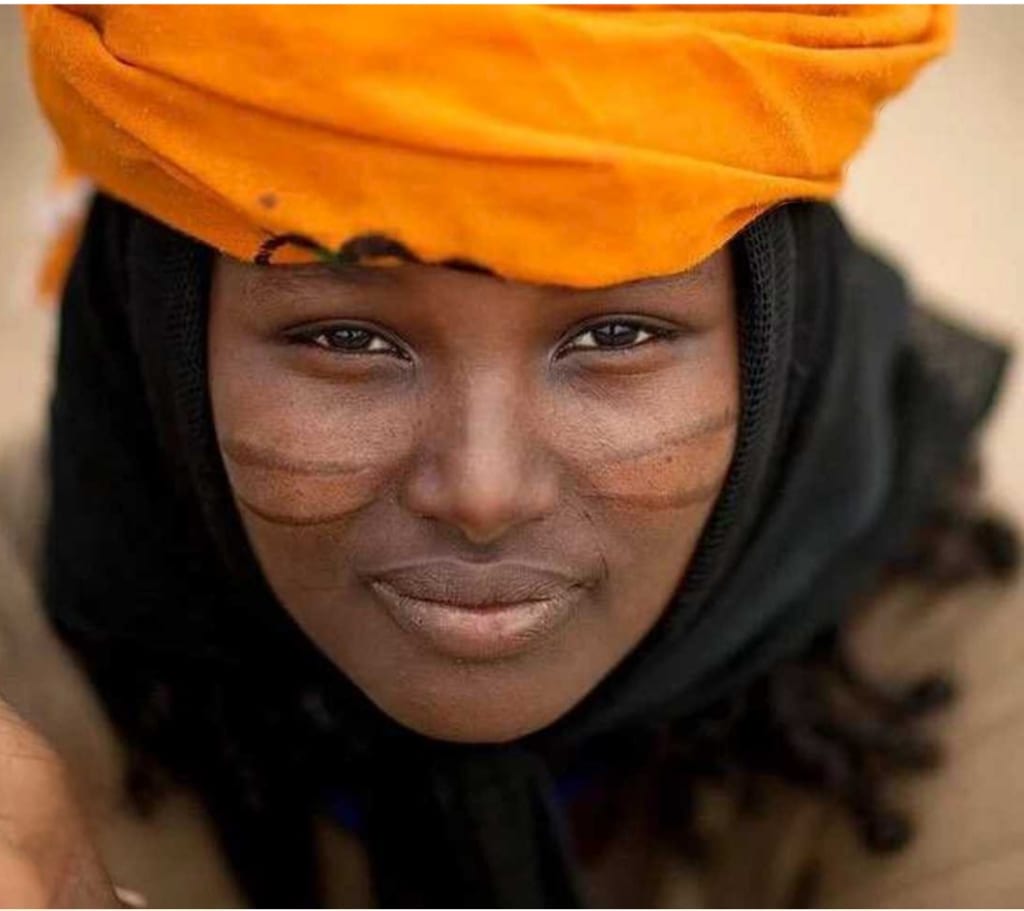
Six years ago, while in Iseyin at Ebedi Writers’ Residency, I investigated the erosion of Yoruba cultural practices. As a columnist for Leadership Newspapers in Abuja, my findings were published under the title "Embers of a Dying Culture."
The piece explored how modernisation and globalization were impacting traditional rituals and customs.
I'm rewriting this story for Vocal Media to share these reflections and spark meaningful conversations about cultural transformation. While I do not believe in or advocate for this tradition, it served as a lens through which broader cultural shifts could be examined. Conversing with elders revealed nostalgia for a time when such marks carried pride and meaning, while younger voices questioned their relevance in a modern world. This story shows how cultures evolve under the pressures of modernity. It explores the delicate balance between honouring heritage and embracing change, offering insights into how communities navigate the complexities of identity in an ever-changing world.
Tribal marks, a deeply rooted cultural practice among the Yoruba people of Nigeria, have historically served as a means of identification, beautification, and lineage preservation. These facial or body scarifications, often inscribed during childhood by cutting or burning the skin, were once integral to Yoruba identity and heritage. However, modernization and changing societal values have led to the decline of this tradition.
Iseyin, a city in Oyo State with nearly half a million residents, has a significant history of tribal marking. Among those over 35 years old, about 75% bear these marks. Mrs. Cecelia Akinyode-Oyetoro, an auxiliary nurse in her late 30s, is one such individual. In her family, it was customary for the firstborn to receive tribal marks. However, when her elder brother fainted during the procedure and was deemed at risk of death if marked, the responsibility shifted to Cecelia. Despite fulfilling this family tradition, she expresses dissatisfaction with her marks and laments being the only sibling with facial marks—a sentiment shared by her children.
The practice has largely faded in Iseyin due to exposure to modern values and education. Basiru Ayinla Oguniyi, a former practitioner from the Oloola lineage (traditional scarification specialists), now works as a welder. He attributes the decline to increased awareness and changing perceptions of beauty and identity. Historically, tribal marks were not only identifiers but also symbols of beauty; some women even sought marriage into families like Basiru’s to ensure their children carried these marks.
The procedure itself was straightforward but ritualistic: cuts were made using specialized tools, followed by the application of charcoal to stop bleeding—a method said to work only for Oloola descendants. Healing was facilitated with a concoction mixed with coconut oil applied using feathers. Payment for these services ranged from kolanuts to small monetary sums.
Tribal marks once held profound cultural significance. They were essential for identifying lineage and social belonging, especially during the transatlantic slave trade when they helped repatriated slaves reconnect with their roots. In Iseyin, it was traditionally expected that kings bear tribal marks as symbols of their heritage. However, this notion is contested; palace representatives assert that tribal marks are not prerequisites for royalty.
Despite its decline, some elders in Iseyin advocate preserving the tradition. Madam Sikiratu Oloola Ogunjoke, in her 70s, views tribal marks as an enduring symbol of pride and identity. She argues that they have not hindered individuals’ success or societal contributions.
Today, tribal marking is rare and often viewed as outdated or even barbaric. Legal restrictions in some Nigerian states have further curtailed the practice due to concerns over child welfare and health risks. Younger generations increasingly reject tribal marks in favour of modern aesthetics like tattoos or piercings.
Nevertheless, remnants of the tradition persist in cultural celebrations such as Iseyin’s annual Oloola Day in September. This event commemorates the historical role of Oloolas and their contributions to Yoruba culture.
About the Creator
Oluremi Adeoye
Accomplished writer & former journalist. I craft engaging articles for Vocal media, exploring diverse topics with passion and depth, creating compelling narratives that resonate with readers.
Keep reading
More stories from Oluremi Adeoye and writers in History and other communities.
To my missing piece.
My Dearest Love, It has been twenty long years since you left this world, and yet, not one day has passed without your memory haunting the chambers of my heart. I sit here tonight, pen trembling in my hand, as I pour out the words that have been trapped within me for a decade. Words I could not speak to you as you lay dying. Words I was forbidden from whispering into your ear as you took your last breath. Words I was denied the chance to say when they kept me from seeing your lifeless body, as if even in death, they sought to sever the bond we shared. But they couldn't. They never could. And they never will.
By Oluremi Adeoye about a year ago in History



Comments (2)
Tribak=l traditions can be brutal in that part of the world, hopefully the young will move away from this and accept themselves as they are, Older people are already ingrained in this practice. Interesting read.
What a great tribal heritage. Moo moo! This is so awesome