
The Evolution of Cruise Ships
The Evolution of Cruise Ships: From Ocean Liners to Mega Resorts at Sea.
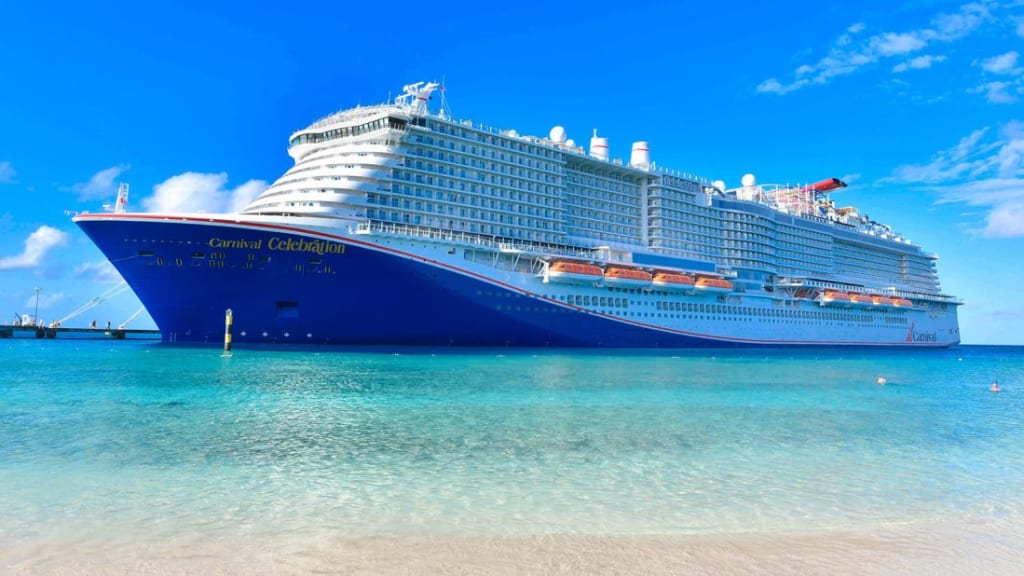
In the world of maritime travel, there are small boats, big boats, and then there are the colossal cruise ships. Take, for instance, the MSC Meraviglia, a grand vessel built in Saint-Nazaire, France, in 2017, and christened by the iconic Sophia Loren. It currently holds the distinction of being the largest cruise ship ever to dock in New York City. A floating wonderland, the MSC Meraviglia boasts a water park, rope course, spa, mall, arcade, bowling alley, casino, gym, two theaters, five pools, nine restaurants, 23 bars, 19 floors, and can accommodate 5,655 passengers and 1,536 crew members. Indeed, cruise ships have become the epitome of grandeur in passenger vessel design, but they haven't always looked this way.
Before the era of cruise ships, ocean liners reigned supreme as the premier mode of travel across the seas. These majestic vessels were solely focused on transporting passengers from one destination to another. During the golden age of ocean travel, which predates widespread air travel, people had no choice but to rely on ships to journey between continents. As Peter Knego, a cruise journalist and ocean liner historian, explains, ocean liners of that time emphasized speed and luxurious comfort to attract passengers. Crossing the Atlantic during winter months could be an arduous experience, so the liners were designed to mimic grand palaces or luxurious hotels, offering first-class passengers all the amenities one would expect on land.
However, the advent of air travel in the 1960s posed a significant challenge to ocean liners, as more people began to choose planes for their travel needs. The demand for transatlantic ocean liners waned, prompting the need for a new approach. Ocean liner companies pivoted to selling leisure trips to warmer regions during the winter months, focusing on promoting cruises as vacation experiences rather than mere transportation. The introduction of the popular TV show "The Love Boat" further mainstreamed cruising, making it accessible to a broader audience.
However, ocean liners faced some inherent design limitations when it came to adapting to the cruise ship model. Their fast speed and fuel consumption, necessary for traversing rough seas, made them less suitable for leisurely cruising in calmer waters. The division into first, second, and third-class sections restricted passenger access to various amenities and services. Moreover, their large size demanded a significant number of vacationers to be profitable, but the rise of air travel had already started to reduce passenger numbers.
The turning point came when the SS France, once the largest ocean liner in the world, was purchased by Norwegian Caribbean Lines in 1979. They converted it into a full-time cruise ship, proving that size could indeed work for the cruise industry. They reconfigured the vessel by shutting down one engine room and removing two propellers. To access ports with shallow harbors, tenders were added to ferry passengers to shore. The barriers between class sections were removed to make all amenities available to every passenger, and a wide array of entertainment options was added.
This transformation of the SS France into the SS Norway marked the beginning of a race to build larger and more luxurious cruise ships. Over time, the design of these mega-resorts at sea evolved significantly. The superstructures, towering above the deck, became taller to accommodate more cabins and amenities, concealing the once prominent smokestacks. Superstructures also became wider, shortening the bow and changing the traditional look of ocean liners. The new design allowed for more square footage and a host of amenities, but it led to the loss of the classic elegance seen in the ocean liners of yesteryears.
The evolution continued, and today's cruise ships have broken all size records. Ships like the Icon of the Seas, set to launch in 2024, boast a volume of over 250,000 gross tons, making the once formidable ocean liners appear diminutive in comparison. Though some may miss the elegance of the past, the cruise industry has embraced the transformation, providing vacationers with a vast array of amenities and experiences.
While there are over 320 cruise ships sailing worldwide, only one ocean liner remains—the Queen Mary 2, built in Saint-Nazaire, France, in 2004 and christened by Queen Elizabeth II. A testament to the changing times, it continues its regular service from Southampton to New York City.
As the cruise ship industry continues to evolve, we can only imagine what the future holds for these floating cities of wonder and leisure.
About the Creator
Keep reading
More stories from writers in History and other communities.
The Light of Islam: The Journey of the Prophet
Over 1,400 years ago, in the city of Mecca, a child was born who would change the world forever. His name was Muhammad ﷺ, and he belonged to the noble tribe of Quraysh. From the beginning, his life was marked by trials and simplicity. Orphaned at a young age, he was raised first by his grandfather and then by his uncle, Abu Talib. Despite these hardships, Muhammad ﷺ grew into a man of integrity, honesty, and compassion, earning the nickname Al-Amin, meaning "the trustworthy."
By The best writer 4 days ago in History




Comments
There are no comments for this story
Be the first to respond and start the conversation.