
The Epic Voyages of Christopher Columbus: Discovering New Lands and Shaping History
The Epic Voyages of Christopher Columbus: Discovering New Lands and Shaping History

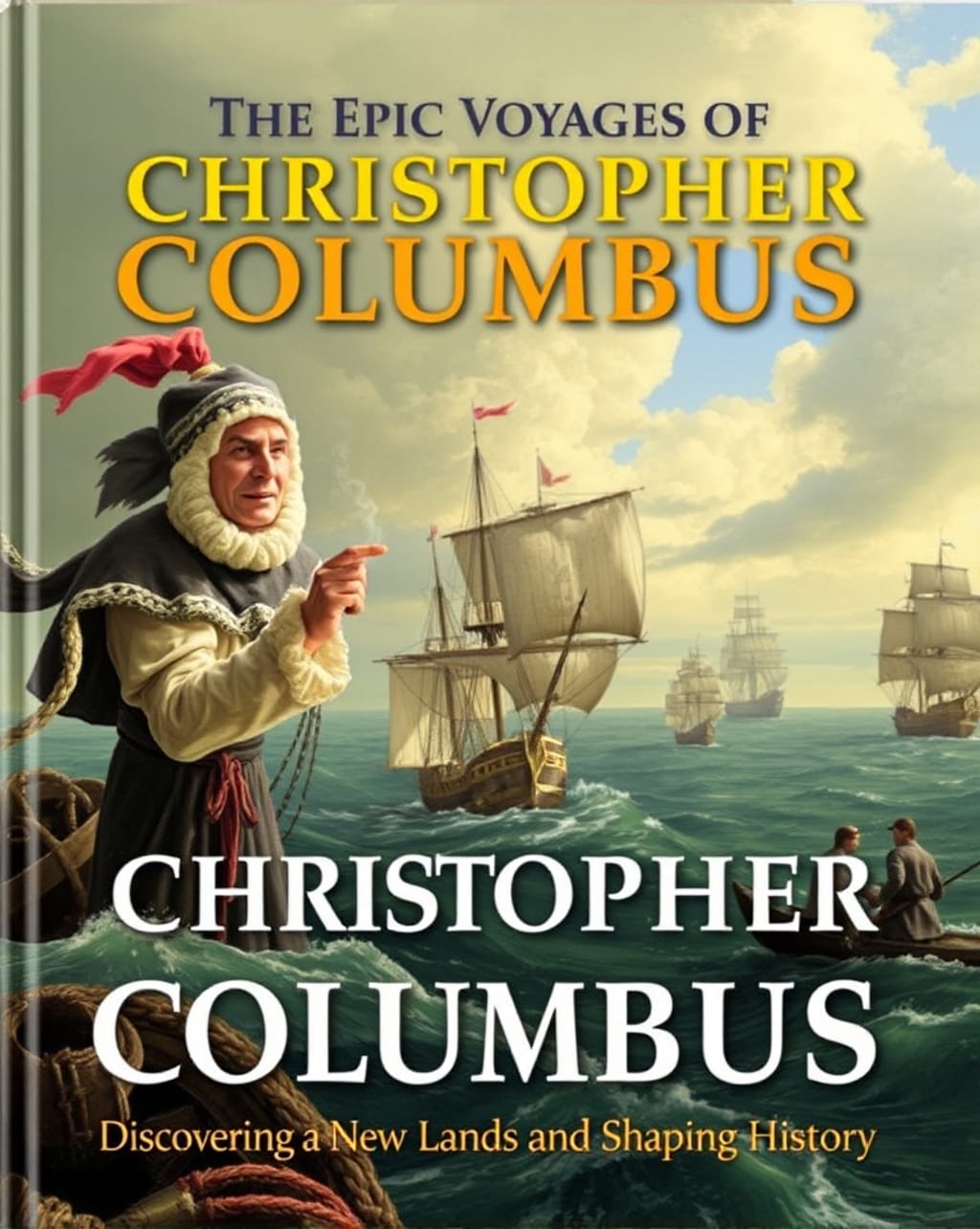
Christopher Columbus’s journey across the Atlantic Ocean stands as one of the most transformative events in world history. His voyages in the late 15th century were not only feats of navigation and maritime courage but also pivotal moments that linked continents and altered the course of human civilization. In this article, we’ll explore Columbus’s famous expeditions, the lands he encountered, and the profound impact his discoveries had on the world.
The Background: Why Columbus Sailed
Christopher Columbus, an Italian navigator born in Genoa in 1451, was driven by a singular vision: to find a westward sea route to Asia. At the time, Europe’s desire for spices, silk, and other luxury goods made trade with Asia incredibly lucrative. However, overland routes were long, treacherous, and controlled by various empires. Columbus believed that sailing west from Europe would provide a faster, direct route to the rich markets of Asia.
After years of lobbying, Columbus finally secured the support of King Ferdinand II and Queen Isabella I of Spain. On August 3, 1492, Columbus embarked on his journey with three ships: the Santa María, the Pinta, and the Niña. Little did he know, this voyage would change the map of the world forever.
The First Voyage: A Historic Discovery
On October 12, 1492, after weeks at sea, Columbus’s expedition made landfall in the Bahamas, a region Columbus initially believed was part of Asia. He named the first island he encountered San Salvador, although the indigenous Taíno people called it Guanahani. The sight of lush, tropical landscapes and the welcoming nature of the Taíno left a deep impression on Columbus, though he misunderstood the true scale and nature of his discovery.
From San Salvador, Columbus and his crew continued to explore nearby islands, including Cuba, which he mistook for the coast of China, and Hispaniola (modern-day Haiti and the Dominican Republic), which he thought might be Japan. The rich natural resources, especially gold, and the perceived opportunity for spreading Christianity bolstered Columbus's belief that he had reached the outskirts of Asia.
The Encounter with the Taíno People
One of the most significant aspects of Columbus’s first journey was his interaction with the native Taíno people. Described in his journals as generous and peaceful, the Taíno lived in a society that was complex and well-adapted to their environment. However, Columbus’s reports back to Spain focused not only on the potential wealth of the lands but also on the possibility of converting the indigenous people to Christianity.
This initial meeting marked the beginning of profound and often tragic interactions between Europeans and the indigenous populations of the Americas. While Columbus viewed his journey as a successful step toward spreading European influence, it heralded an era of conquest, colonization, and exploitation that would devastate native societies for centuries.
The Second Voyage: Consolidating Spanish Presence
Columbus’s success in finding new lands prompted a second, much larger expedition. In 1493, he set sail again with 17 ships and over 1,000 men. This voyage was intended not just for exploration but for establishing a Spanish presence in the New World. Columbus explored more of the Caribbean, including Puerto Rico and Jamaica, and established the first Spanish colony on Hispaniola.
However, Columbus’s second voyage also revealed the darker side of European colonization. The initial settlement, La Navidad, was found destroyed, likely due to conflicts between the settlers and the Taíno. In subsequent years, tensions between Europeans and indigenous populations intensified, leading to violent confrontations and the eventual subjugation of native societies.
The Third and Fourth Voyages: Expanding the Horizons
Columbus’s third voyage, which began in 1498, took him further south, where he reached the coast of South America, specifically modern-day Venezuela. For the first time, Columbus realized that he had encountered a vast landmass that was separate from the islands he had previously visited. Yet, he continued to believe that he was close to Asia.
By the time of his fourth and final voyage in 1502, Columbus was seeking a route to the Indian Ocean. This expedition saw him explore the coasts of Central America, but it was fraught with difficulties, including hostile encounters with indigenous groups, storms, and deteriorating health. Columbus returned to Spain in 1504, his reputation diminished and his belief in a path to Asia unfulfilled.
The Lands Columbus Saw and Their Impact on Europe
Columbus’s journeys opened up the New World to European exploration and colonization. While he never reached Asia, his voyages confirmed that there were rich, uncharted lands across the Atlantic. The immediate consequences included a surge in maritime expeditions by other European powers such as Portugal, England, and France.
The introduction of the Columbian Exchange—the transfer of plants, animals, culture, and technology between the New and Old Worlds—had a profound impact on both hemispheres. Europe benefited from crops such as potatoes, tomatoes, and maize, which revolutionized diets and agriculture. Conversely, the introduction of European diseases like smallpox devastated indigenous populations who had no immunity.
Columbus’s Legacy: A Complex Portrait
Today, Columbus’s legacy is viewed through a more nuanced lens. Once hailed solely as a hero who “discovered” America, modern perspectives recognize the dual nature of his legacy. On one hand, his achievements were undeniably groundbreaking, ushering in the Age of Exploration and connecting continents in ways never before possible. On the other hand, his voyages also paved the way for colonization that led to the exploitation and suffering of indigenous peoples.
While Columbus did not reach the fabled lands of Asia he sought, his expeditions opened up an entirely new chapter in human history. The lands he saw, from the verdant coasts of the Caribbean to the unfamiliar shores of South America, became the stepping stones for further exploration and expansion. Columbus’s name remains etched in history, symbolizing both the spirit of exploration and the complex consequences that followed.
Conclusion
Christopher Columbus’s journey remains one of the most discussed and analyzed events in the annals of history. The lands he encountered and the interactions that followed shaped the trajectory of the world, blending cultures, resources, and knowledge in unprecedented ways. While his legacy is multifaceted, the age of discovery he ushered in fundamentally changed the global landscape and laid the foundations for the modern world.
About the Creator
Keep reading
More stories from mariam elghazaly and writers in History and other communities.
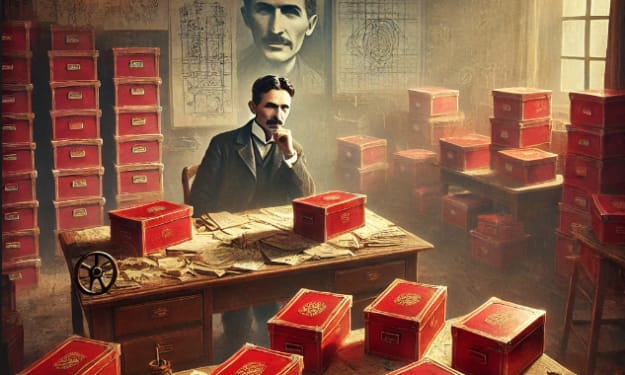
Tesla’s Hidden Science, Mysterious Red Boxes, and His Disappearance Before Death: The Untold Story
Nikola Tesla, the man who electrified the world with groundbreaking inventions like alternating current (AC) and wireless energy, remains one of the most enigmatic figures in scientific history. His genius was undeniable, yet his final years are shrouded in mystery and intrigue. Among the most captivating aspects of Tesla's life are the claims surrounding his hidden scientific work, the so-called “red boxes,” and the strange circumstances leading up to his death. This article delves into the lesser-known and potentially world-changing elements of Tesla’s life, exploring what truths might lie beneath the surface.
By mariam elghazalyabout a year ago in History
Why Further Excavation at Mohenjo-daro Could Put Its Remaining Ruins at Greater Risk
Mohenjo-daro is one of the most important archaeological sites in the world. As a major city of the Indus Valley Civilization, it offers rare insight into one of the earliest urban cultures in human history. Located in present-day Sindh, Pakistan, the site is admired for its advanced town planning, drainage systems, brick architecture, and organized streets. Yet despite its historical greatness, Mohenjo-daro is also extremely fragile. This is why the question must be asked seriously: why should further excavation be allowed if it may place the remaining ruins in even greater danger?
By Irshad Abbasi about 2 hours ago in History
My First Time Skiing and I Got Lost, Alone, in the French Alps
Looking back, I can trace some of my life’s biggest adventures to a simple action from my sister. She’d introduced me to Tommy (a very long time ago), a colleague of hers, who had overshared his penchant for Italian-looking women, and I ticked that box.
By Chantal Christie Weiss3 days ago in Humans


Comments
There are no comments for this story
Be the first to respond and start the conversation.