
The Enduring Legacy of Windows XP
A Nostalgic Journey

The story of Windows XP is a tale of unexpected longevity and enduring charm that has captivated users for over two decades. From its humble beginnings as a successor to Windows Me and 2000, Windows XP quickly became a beloved staple in the world of operating systems. Let's delve into what made Windows XP so special then, and why it continues to hold a special place in the hearts of many users even today.
1. The Rise of Windows XP:
Windows XP, introduced by Microsoft in 2001, was a pivotal response to the evolving demands of users seeking a more secure and user-friendly computing environment. This operating system was meticulously crafted to streamline the computing experience by incorporating a host of new features that distinguished it from its predecessors. Emphasizing stability, security, and ease of use, Windows XP swiftly garnered widespread acclaim for its inviting interface and significant under-the-hood enhancements.
2. Features that Defined an Era:
Windows XP's legacy of innovation extends to the present day, as it introduced a range of pioneering features that continue to shape modern operating systems. Noteworthy functionalities such as device driver rollback and remote desktop capabilities, first seen in Windows XP, have become standard offerings in today's OS landscape. By merging the code bases of Windows 9x and NT, Microsoft engineered a versatile platform that effectively catered to the diverse needs of both home users and businesses. This strategic fusion not only enhanced stability and compatibility but also set a new benchmark for operating systems by seamlessly blending the best of both worlds to deliver a comprehensive computing experience.
3. The Longevity of Windows XP:
Even in the face of newer operating systems like Vista, 7, and subsequent versions, Windows XP persevered due to a confluence of factors that sustained its popularity. Its minimal hardware demands and extensive software compatibility positioned it as a cost-effective solution for users seeking efficient computing options. Moreover, the enduring nostalgia and familiarity associated with Windows XP served as a compelling draw, enticing users to return to a familiar interface even after official support ceased in 2014.
4. Why People Still Love Windows XP:
In the contemporary landscape, Windows XP persists in active use for a multitude of reasons. Financial limitations hinder some users from transitioning to newer systems, making Windows XP an economical choice. Additionally, individuals and organizations rely on legacy software that exclusively functions on Windows XP, necessitating its continued operation. Businesses, educational institutions, and even governmental entities like the military maintain Windows XP due to essential software dependencies that pose challenges for seamless migration to alternative platforms.
5. Embracing Nostalgia:
Beyond its practical utility, Windows XP holds a special place in the hearts of many users for its profound nostalgic value. The iconic startup sound, reminiscent of a bygone era, coupled with the tranquil green landscapes and familiar interface, evoke a sense of nostalgia and fond memories of simpler times in computing history. For those who came of age during the Windows XP era, the operating system symbolizes a cherished period of technological advancement and innovation, where each interaction with the system was a gateway to exploration and discovery. The emotional connection to Windows XP transcends its functionality, embodying a sense of comfort and familiarity that resonates deeply with users who experienced the dawn of the digital age through its lens.
In conclusion, Windows XP's enduring popularity can be attributed to its blend of functionality, nostalgia, and adaptability. While newer operating systems offer advanced features and security enhancements, Windows XP holds a special place in the hearts of those who appreciate its simplicity and timeless appeal. Whether you're a die-hard fan or a casual user, Windows XP continues to leave a lasting legacy in the ever-evolving world of technology.
About the Creator
Keep reading
More stories from Sanjana Dixit and writers in History and other communities.
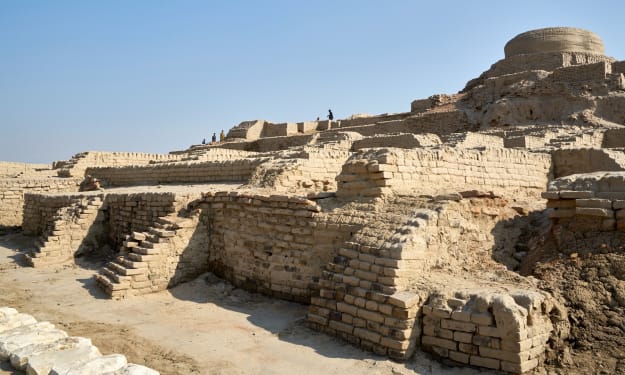
The Indus Valley Civilization (AKA The Harappan Civilization)
The Indus Valley Civilization, unveiled by James Lewis in 1829, stands as a testament to an extraordinary ancient society that thrived approximately 8,000 years ago. Renowned for its innovative urban planning, this civilization showcased a level of sophistication ahead of its time, featuring standardized brick sizes, intricate drainage systems, and communal facilities that reflected a high degree of civic organization. The enigmatic Indus Script, a complex writing system linked to this civilization, presents a formidable puzzle for present-day researchers striving to unravel its significance and meaning.
By Sanjana Dixit2 years ago in History


Comments
There are no comments for this story
Be the first to respond and start the conversation.