
The Deadly Smog of 1952
When London Disappeared into a Toxic Cloud

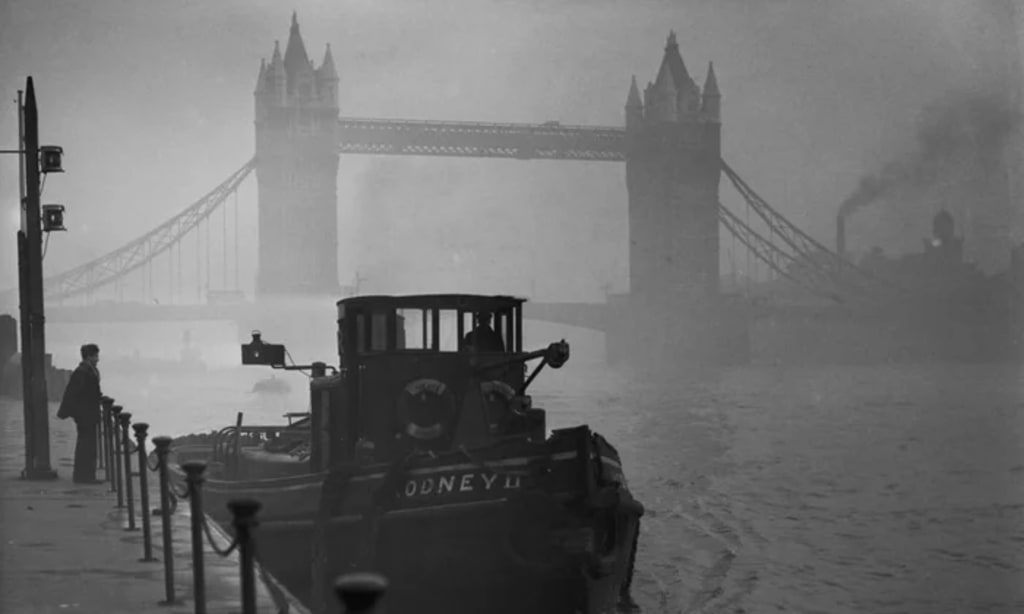
On December 5, 1952, Londoners woke up to an eerie, yellow-gray fog blanketing their city. But this was no ordinary mist. It reeked of sulfur, spread across 30 miles, and brought life in the bustling capital to a screeching halt. What followed was a catastrophic event that claimed 12,000 lives and sent over 100,000 people to the hospital, leaving a legacy of environmental and public health lessons.
The Great Smog: A City Choked
For five harrowing days, London vanished into a stinking abyss. Streets turned into rivers of black sludge, and visibility dropped to zero. Buses halted mid-route, planes were grounded, and even ambulances were rendered useless. Pedestrians, blind in the toxic haze, stumbled through the streets, smudging soot across their faces. Birds collided with buildings, and criminals took advantage of the cover to loot freely.
Theaters and indoor events were canceled as the fog seeped indoors, transforming the city into an apocalyptic nightmare.
A Legacy of "Pea Soup Fog"
The disaster wasn’t a sudden occurrence but the culmination of centuries of pollution. London had been grappling with "pea soup fog" since the 13th century when coal became a primary fuel source. By the 19th century, the Industrial Revolution exacerbated the problem as factories belched smoke into the air, and households burned coal to stay warm.
This smoky fog—later coined “smog”—settled over the city, creating a cocktail of tiny particles that water vapor clung to, forming dark, heavy clouds.
Why 1952 Was Different
On that fateful December day, an anticyclone trapped cold air near the ground beneath a layer of warmer air. This weather phenomenon acted like a lid, preventing pollutants from dispersing into the atmosphere. The result? Smoke from factories, cars, and home fireplaces clung to the ground and mixed with water droplets, forming an acidic and lethal fog.
The intense use of coal, especially during the freezing winter, compounded the disaster. Sulfur particles from burning coal mixed with nitrogen dioxide in the damp fog, forming sulfuric acid—a deadly brew that wreaked havoc on the lungs of Londoners.
The Aftermath and the Clean Air Act
The Great Smog was a turning point. In 1956, the British government passed the Clean Air Act, banning smoky fuels like coal in certain areas and offering subsidies for cleaner energy sources like oil, natural gas, and electricity. While change was slow, this act laid the foundation for modern environmental policies.
Despite this progress, the lessons of 1952 resonate globally. Cities around the world—especially those in developing nations—continue to grapple with dangerous air pollution, highlighting the ongoing need for cleaner energy and stricter regulations.
A Grim Reminder: London’s Great Stink
The Great Smog wasn’t London’s first environmental disaster. Nearly a century earlier, the "Great Stink" of 1858 had forced the city to confront its sewage crisis. With waste dumped directly into the Thames, a scorching summer exposed foul-smelling, toxic banks of sludge. Parliament, desperate for relief, finally approved engineer Joseph Bazalgette’s revolutionary sewer system, which continues to serve the city today.
Across the Atlantic: America’s Dust Bowl
In a parallel environmental catastrophe, the United States faced "Black Sunday" during the Dust Bowl of the 1930s. Unlike London’s fog, this disaster stemmed from drought and over-farming, which turned fertile soil into dust storms that ravaged the Great Plains. On April 14, 1935, a massive storm blackened the sky, suffocating crops and people alike, and carried 300,000 tons of dirt across the country.
A Global Call to Action
From London’s Great Smog to the Dust Bowl, these disasters underscore the delicate balance between human activity and the environment. They remind us of the catastrophic consequences of neglecting ecological stewardship and offer a sobering message for future generations: the price of inaction is far too high.
Let’s learn from the past and work toward a cleaner, safer future for all.
About the Creator
Keep reading
More stories from Georgia M. and writers in History and other communities.
Ancient Blood Sports
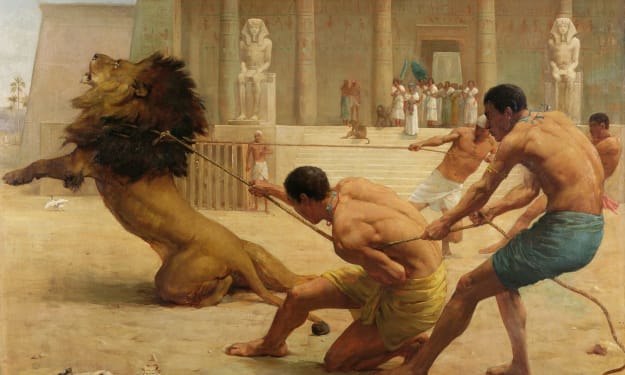
Humanity’s drive for competition has shaped cultures and societies throughout history, giving rise to games and sports that reflect our desire to test physical and mental limits. While today’s sports emphasize skill and safety, our ancient ancestors played games so brutal and life-threatening that they are unimaginable by modern standards. These ancient blood sports pushed the human body and spirit to extremes, often costing participants their lives—all for the sake of entertainment.
By Georgia M.about a year ago in History
The Mughal Princess Who Changed the Image of the Imperial Harem
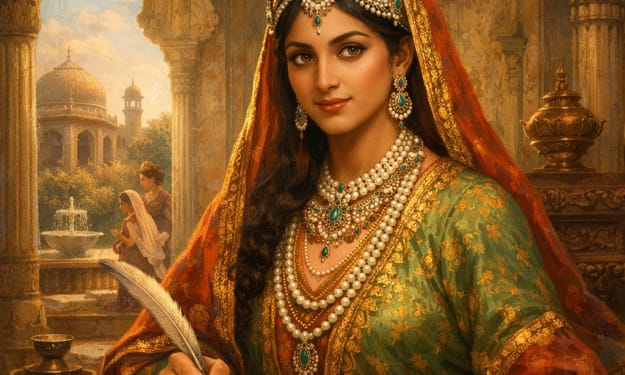
When people imagine royal harems in medieval empires, they often picture places of luxury, secrecy, and endless indulgence. The Mughal Empire is no exception. For centuries, the Mughal harem has been portrayed as a secluded world of wealth and pleasure where royal women lived hidden lives behind palace walls. However, one remarkable woman challenged this narrow view: Gulbadan Begum, a Mughal princess whose life and writings revealed a very different reality.
By Irshad Abbasi about 2 hours ago in History


Comments
There are no comments for this story
Be the first to respond and start the conversation.