
The Deadliest Day in Human History When January 23, 1556 Took Hundreds of Thousands of Lives.
Shaanxi Earthquake

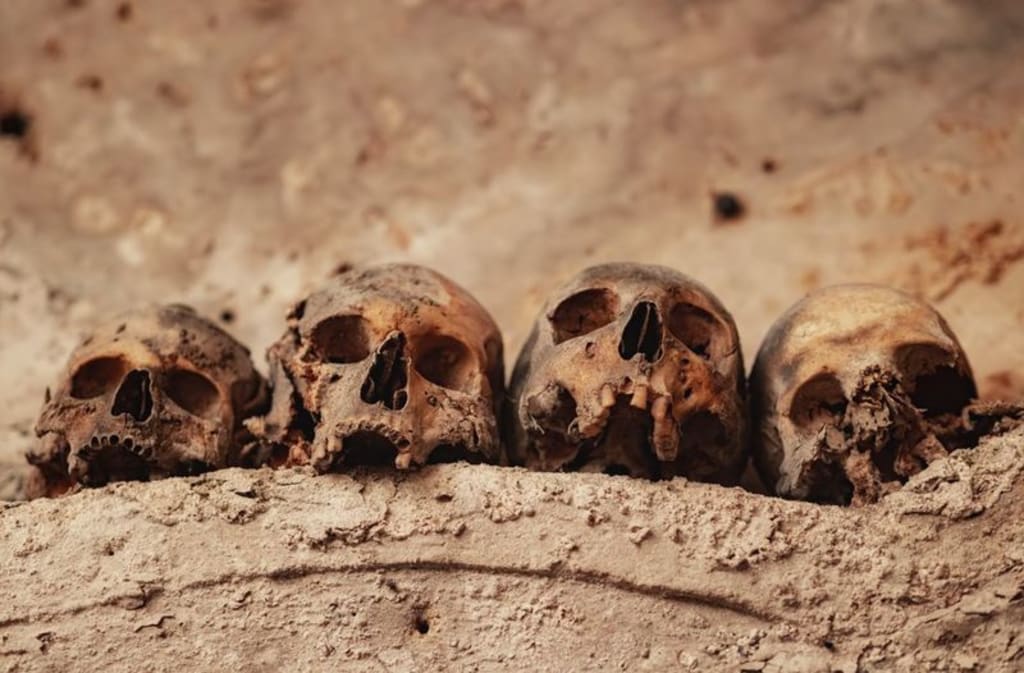
The Deadliest Day in Human History When January 23, 1556 Took Hundreds of Thousands of Lives
Throughout history many tragic events have claimed countless lives but January 23, 1556 stands out as the deadliest day ever recorded. On this fateful day a catastrophic earthquake struck Shaanxi province China killing an estimated 830,000 people the highest known death toll from a single earthquake and possibly the deadliest event in a single day in human history. This earthquake known as the Jiajing Earthquake was not only the most devastating in Chinese history but also the most lethal natural disaster ever documented. Entire cities were reduced to rubble mountains crumbled and the very landscape of China was altered within minutes.
How Did the Earthquake Occur and How Powerful Was It.
The earthquake struck during the Jiajing Emperor’s reign of the Ming Dynasty hence the name Jiajing Earthquake. Scientists estimate its magnitude to be between 8.0 and 8.3 making it one of the most powerful earthquakes in recorded history. The epicenter was in Shaanxi province but its tremors were felt across vast distances including Shandong Henan Gansu Hebei and Jiangsu provinces. At the time China’s population was heavily concentrated in towns and villages with most people living in poorly built homes which led to an unimaginable disaster.
Within minutes Over 830,000 people lost their lives. Millions of buildings and homes collapsed. Mountains and hills shifted causing massive landslides. Rivers and waterways were altered permanently. Even after the initial quake aftershocks continued for weeks further devastating the region and increasing the death toll. Although the earthquake was powerful several factors contributed to the extreme death toll. The Shaanxi region is covered with loess soil a fine loosely compacted and highly unstable material. Millions of people lived in yaodongs cave dwellings which were carved into these soft hills. When the earthquake struck the ground instantly collapsed burying entire families alive. Massive fires broke out immediately after the earthquake. In an era where homes were made of wood and bamboo and people relied on oil lamps flames quickly spread burning down villages and trapping thousands. A prolonged drought before the quake made conditions even worse allowing the fires to rage uncontrollably. Most buildings in 16th century China were made of wood mud bricks and unreinforced stone which could not withstand the violent tremors. Unlike modern earthquake resistant structures, these homes collapsed instantly leading to massive casualties. At the time no disaster relief systems or organized rescue operations existed. Survivors had to dig through the rubble with their bare hands to find family members. Many who were trapped or injured died from lack of medical care in the following days.
Impact on China’s History
The earthquake deeply affected China’s economy society and politics. Urban Infrastructure Was Destroyed Entire towns and villages vanished and rebuilding efforts took decades. Agriculture and Food Supply Were Disrupted Farmland was destroyed irrigation systems collapsed and famine followed. Political Fallout The Ming Dynasty faced severe public unrest as people blamed the government for its slow response to the disaster. If an earthquake of similar magnitude were to strike a major city today the consequences would still be devastating. However modern technology has significantly improved our ability to reduce casualties through.
Advanced earthquake warning systems
Stronger earthquake resistant buildings Faster and more efficient emergency response teams. January 23, 1556 remains the deadliest day in human history a grim reminder of the power of natural disasters. While China eventually recovered the tragedy left an indelible mark on history. This earthquake teaches us an important lesson we must always be prepared for natural disasters invest in better infrastructure and use scientific advancements to prevent such large scale devastation in the future.
About the Creator
Adnan Rasheed
Author & Creator | Writing News , Science Fiction, and Worldwide Update| Digital Product Designer | Sharing life-changing strategies for success.
Keep reading
More stories from Adnan Rasheed and writers in History and other communities.
U.S. Defense Agency Bans Black History Month and Other Special Observances.
U.S. Defense Agency Bans Black History Month and Other Special Observances. Washington D.C The U.S Defense Intelligence Agency DIA has officially suspended all activities and events related to Martin Luther King Jr. Day Black History Month Juneteenth LGBTQ Pride Month Holocaust Remembrance Day, and other special observances. This move is in compliance with an executive order signed by President Donald Trump aimed at eliminating diversity equity and inclusion DEI programs across the federal government. This information was revealed in an internal memo obtained by NBC News. According to the directive 11 different observances and related activities have been banned. Additionally all employee networking groups and affinity groups have been immediately put on hold. These groups which have long existed in federal agencies were intended to create a supportive and inclusive work environment. The DIA has not yet commented on this decision but the directive has sparked concern among federal employees. Last week the Department of Justice DOJ also issued a memo to its staff announcing the shutdown of all DEI programs. The DOJ justified the decision by claiming that such programs were dividing Americans based on race wasting taxpayer money and fostering unfair discrimination. Similarly the Centers for Medicare & Medicaid Services CMS informed its employees that all affinity groups, also known as Employee Resource Groups ERGs were being disbanded and that all special observances had been canceled. This crackdown on DEI initiatives is a key priority for the Trump administration which has positioned itself against government led diversity programs. On his first day in office President Trump signed an executive order mandating the termination of all discriminatory DEI policies programs and activities within the federal government.
By Adnan Rasheed12 months ago in History
The Light of Islam: The Journey of the Prophet
Over 1,400 years ago, in the city of Mecca, a child was born who would change the world forever. His name was Muhammad ﷺ, and he belonged to the noble tribe of Quraysh. From the beginning, his life was marked by trials and simplicity. Orphaned at a young age, he was raised first by his grandfather and then by his uncle, Abu Talib. Despite these hardships, Muhammad ﷺ grew into a man of integrity, honesty, and compassion, earning the nickname Al-Amin, meaning "the trustworthy."
By The best writer 3 days ago in History
Miss Persephone's Manual to a Seemingly Ordinary Life
Miss Persephone was found at the dining table, her blue eyes swollen, her tears arriving and retreating like the tides of the ocean. Earlier that day, her family had visited her in the retirement home where she had lived for eight years. It was her eightieth birthday.
By Imola Tóth4 days ago in Fiction




Comments
There are no comments for this story
Be the first to respond and start the conversation.