
"The Day the Dinosaurs Died: A Look into the Asteroid Collision that Changed Earth Forever"
"Exploring the Catastrophic Event that Led to the Extinction of Dinosaurs and Shaped the Evolution of Life on Our Planet"
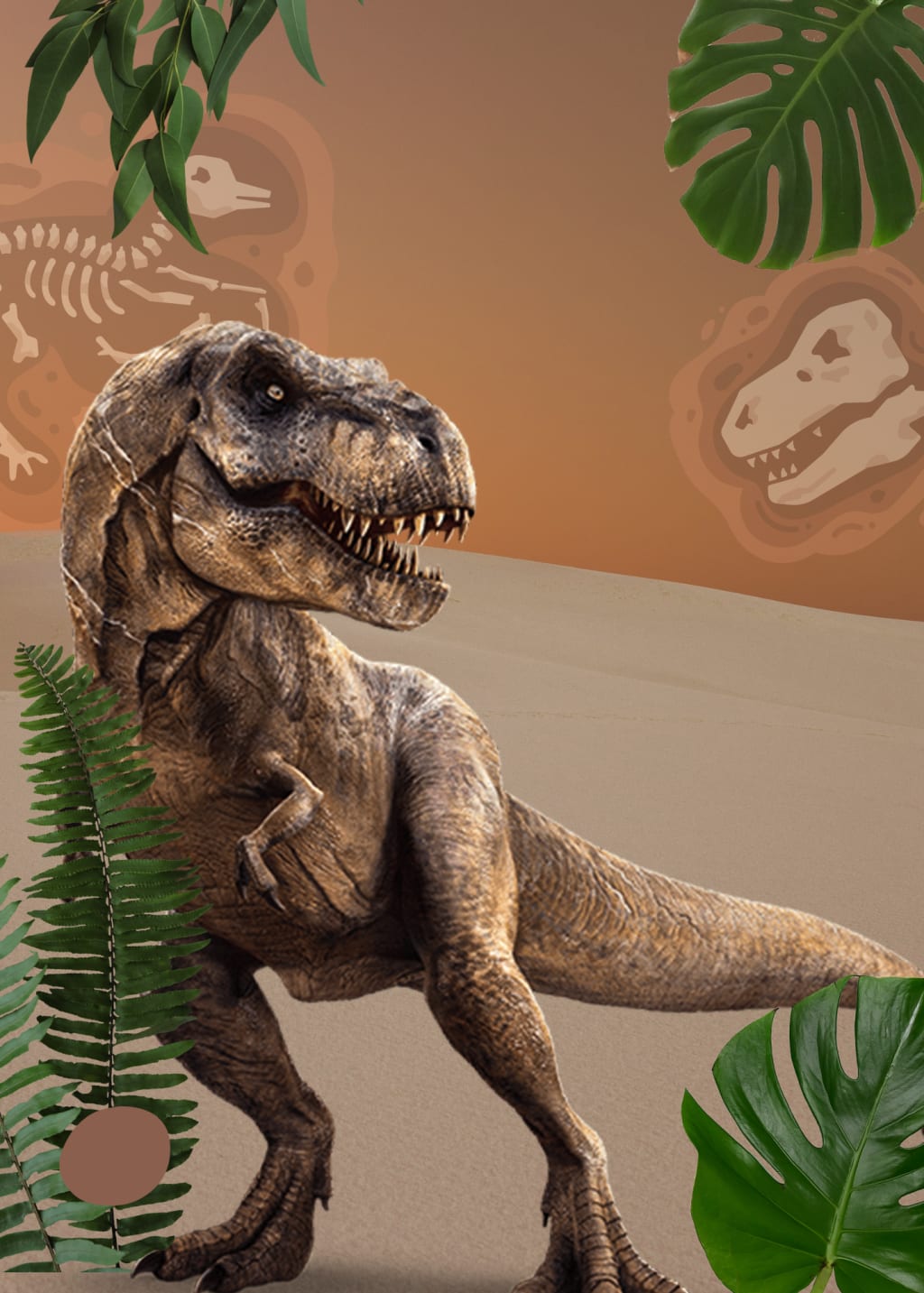
66 million years ago, a giant asteroid collided with the Earth, causing one of the most massive disasters in our planet's history. This event led to the extinction of the dinosaurs and many other species. In this article, we'll take a closer look at what happened during this catastrophic event, and how it shaped our planet.
The asteroid, which was bigger than Mount Everest, hit the coastal part of the island of Yucatan, separating the Gulf of Mexico from the Caribbean Sea. The impact destroyed all living things in the area on land and in the ocean. The air over the island was filled with smoke and ash, and Yucatan became a giant lifeless crater.
The asteroid fell at the most destructive angle, hitting the rocky terrain like a giant hammer. It also fell into large stalks of flammable materials, causing millions of tons of soot and ash to be released into the air. The fire quickly spread throughout the island, emitting black smoke into the sky. The asteroid also caused a giant tsunami, which flooded large areas of land.
The scale of the disaster increased exponentially, with acid rain and firestorms destroying one part of the continent while the coastal side faced a giant tsunami. The fall of the meteorite caused a domino effect that put the entire continent under threat of extinction.
The primary damage to the world at that moment was the disruption of the food chain. All big herbivorous dinosaurs and giant toothy monsters lost their food sources, leading to their extinction. Small animals and some flying dinosaurs survived to further evolve into modern birds and mammals. Large animals, the size of a rhinoceros, appeared 15 million years after the disaster.
The aftermath of this catastrophic event had a significant impact on our planet. The extinction of the dinosaurs left a void that allowed for new species to evolve and thrive. The rise of mammals and birds led to a new era of biodiversity on Earth.
Today, we can still see the impact of this event in our planet's geology. The crater left by the asteroid in Yucatan is now known as Chicxulub Crater. It is one of the largest impact craters on Earth and is evidence of the massive scale of destruction caused by the asteroid.
Thanks to modern technology, we've discovered the reasons for the destruction of dinosaurs. But if the same asteroid fell again into some explosive terrain, our remarkable technologies wouldn't help much. Floods, fires, and acid rain would make life in big cities unbearable. The only thing that would help us survive could be underground bunkers and other reliable shelters.
In conclusion, we can only hope that no rock from space will come to us. We are developing and improving technologies that can protect us from asteroids like lasers or space rockets with explosives. But even if we destroy one big rock, it might tear into a million pieces, some falling on the planet in the form of a meteor shower. Therefore, all we can do now is hope that we don't face huge natural disasters like this one again.
The extinction of dinosaurs was a significant event in our planet's history. It led to new species evolving and thriving, shaping our planet's biodiversity as we know it today. While we cannot stop natural disasters from happening, we can learn from them and use our knowledge to better prepare for future events.
Despite the catastrophic event that led to the extinction of the dinosaurs, life on Earth continued to thrive. The rise of mammals and birds allowed for new species to evolve and fill the void left by the extinction of the dinosaurs. Today, we can still see the impact of this event in our planet's geology. The crater left by the asteroid in Yucatan is now known as Chicxulub Crater. It is one of the largest impact craters on Earth and is evidence of the massive scale of destruction caused by the asteroid.
The Chicxulub Crater is a fascinating area of study for geologists and scientists. It provides a unique window into the past and allows us to understand the events that led to the extinction of the dinosaurs. Scientists have been able to study the rocks and sediments in the crater to learn more about the asteroid impact and its aftermath.
One of the most interesting findings from the Chicxulub Crater is the discovery of a layer of clay that dates back to the time of the asteroid impact. This layer is rich in iridium, a rare metal that is more common in asteroids than on Earth. The presence of this layer of iridium is evidence that an asteroid collided with Earth and caused a massive disruption to our planet's ecosystem.
In addition to the Chicxulub Crater, there are other impact craters around the world that provide evidence of past asteroid collisions. These craters are important for understanding the history of our planet and how it has evolved over time.
Today, there is still a risk of asteroid impacts on Earth. While the chances of a catastrophic event like the one that led to the extinction of the dinosaurs are relatively low, it is still important to be prepared. Scientists are working on developing technologies that can detect and deflect asteroids before they collide with Earth.
In conclusion, the asteroid impact that led to the extinction of the dinosaurs was a catastrophic event that shaped our planet's history. While it caused massive destruction at the time, it also allowed for new species to evolve and thrive. Today, we can still see the impact of this event in our planet's geology and it serves as a reminder of the importance of understanding our planet's history. By studying past events like this, we can better prepare for any future asteroid impacts and protect our planet and its inhabitants.
About the Creator
Keep reading
More stories from Valentina Kwarteng and writers in History and other communities.
"Treasure Hunting: Incredible Discoveries from the Depths of the Ocean"
In April 2015, a team of treasure hunters from Deep Ocean Search made an incredible discovery. They recovered silver rupee coins worth 50 million pounds from the British steamship that sunk in the 1940s. The ship was on its journey from India to England when it sank, and the wreck was found at a depth of almost 17,000 feet, setting a world record for the deepest recovery ever. To put things into perspective, the famous Titanic wreck is only found at a depth of 12,500 feet.
By Valentina Kwarteng3 years ago in History
Mathematics Behind the Imperial Harem: How Ancient Chinese Scholars Organized the Emperor’s 121 Women
Throughout history, the courts of powerful rulers have been surrounded by mystery, luxury, and strict organization. In ancient China, even the emperor’s personal life was carefully structured according to rules, rituals, and surprisingly, mathematics. Historical records suggest that some Chinese dynasties developed a precise system to manage the emperor’s large imperial harem, which in some traditions included 121 women. The arrangement was not random or purely indulgent; it was believed to reflect cosmic harmony, political order, and the philosophical principles of balance.
By Irshad Abbasi about 10 hours ago in History
REEEEEEEEE!
I'm on a low road right now. There are a literal million things to do and not one of them worth my time. I would rather sit in place and burn but the orbit takes me on its inevitable route 'round the center; and I a center in my own right, around which others orbit, and so on and so forth, ad infinitum, ad nauseum.
By C. Rommial Butler4 days ago in Poets




Comments
There are no comments for this story
Be the first to respond and start the conversation.