
The Complete Guide to Tarot Cards: Origins, Meanings, and Insights
Tarot Cards Guide

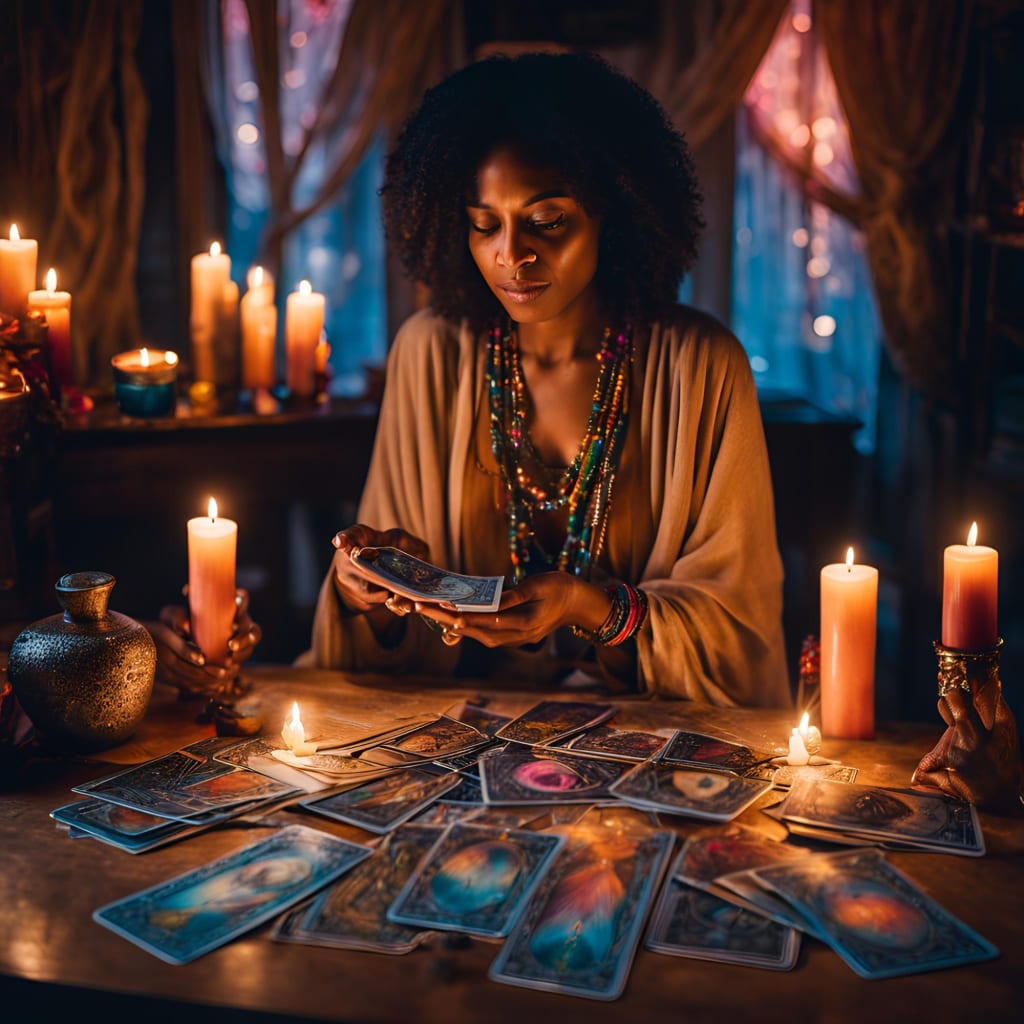
The Origins of Tarot Cards
Tarot cards boast a fascinating and multifaceted history. They first emerged in 15th century Europe, where they were initially designed as playing cards. In Italy, the game “Tarocchi” became quite popular, and tarot cards were used in this game for centuries. However, it wasn’t until the 18th century that tarot cards became associated with mysticism and divination. Occultists such as Antoine Court de Gébelin began to link tarot to ancient Egyptian mysteries, a theory that gained traction despite having little historical evidence.
As the esoteric movement grew in the 19th and early 20th centuries, tarot’s association with spiritual guidance and fortune-telling solidified. One of the most influential tarot decks in modern usage, the Rider-Waite Tarot Deck, was created in 1909 by Arthur Edward Waite with illustrations by artist Pamela Colman Smith. The deck introduced symbolic and visually rich imagery that helped readers interpret the cards in more nuanced ways, making it a cornerstone of modern tarot practice.
Structure of a Tarot Deck
A standard tarot deck consists of 78 cards, divided into two primary sections:
- The Major Arcana (22 cards): These cards depict key life themes, spiritual lessons, and archetypal symbols. Each card, such as The Fool, The Lovers, and Death, represents profound experiences that shape our lives, both spiritually and emotionally. The Major Arcana deals with overarching themes and significant turning points.
- The Minor Arcana (56 cards): These are divided into four suits—Wands, Cups, Swords, and Pentacles. Each suit contains 14 cards, from Ace to Ten, as well as four court cards: Page, Knight, Queen, and King. The Minor Arcana reflects more day-to-day concerns, such as relationships, finances, career, and personal challenges.
Each suit’s symbolism and meanings vary slightly across different tarot decks, allowing readers to explore these themes in unique ways.
How Tarot Cards Work
Tarot readings typically involve selecting cards and interpreting their meanings based on their position in a spread (the layout of the cards) and their relationship to one another. Readers also rely on their intuition, the symbolic meanings of the cards, and the energy of the person seeking the reading (the querent).
While tarot does not predict the future with scientific accuracy, it can serve as a tool for exploring possibilities, reflecting on current life circumstances, and uncovering hidden insights. In many cases, tarot helps the querent gain clarity about challenges, emotions, and decisions they may be facing. It is often viewed more as a mirror to the present moment rather than a crystal ball for the future.
Can You Read Tarot Cards Yourself?
Yes, learning to read tarot cards is entirely possible, even for beginners. It requires dedication to study the meanings of the cards, understand different spreads, and develop one’s intuitive skills. Beginners often find it helpful to start with a deck like the Rider-Waite and use guidebooks or online resources for support. With practice, you’ll grow more comfortable interpreting the symbolism and can eventually read without relying on external sources.
Are Tarot Cards Evil or Against God?
The perception of tarot cards as “evil” or “against God” varies widely depending on cultural and religious viewpoints. Some religious groups reject tarot as a form of occult practice, associating it with spiritual danger or opposing their beliefs. However, others view tarot as a neutral tool for self-reflection and personal growth, used with good intentions. Ultimately, tarot’s significance and spiritual implications depend on an individual’s perspective, intention, and the context in which it is used.
Accuracy of Tarot Readings
The accuracy of tarot readings is a common question, but it’s important to remember that tarot does not predict the future in a definitive or unalterable way. Instead, tarot cards provide insights into the present situation and potential outcomes based on current energies and circumstances. A skilled reader might offer guidance based on these factors, but the ultimate decisions and actions remain in the hands of the querent. The quality of a reading often depends on the reader’s experience, the connection with the querent, and the openness to the intuitive process.
Where to Get Tarot Readings
If you are looking for professional tarot readings, they can be found in various settings, both online and offline. Websites such as Kasamba, Keen, and Tarot.com offer readings via phone, chat, or video with skilled practitioners. Metaphysical shops and spiritual centers may also offer in-person readings. Many independent readers have personal websites, and there are also free or low-cost readings available through apps and online communities, especially for those new to tarot.
Pros and Cons of Tarot Readings
Pros:
- Encourages introspection and deeper understanding of oneself
- Provides clarity on complex issues, often uncovering hidden emotions or motives
- Offers a fresh perspective on personal or spiritual challenges
- Can serve as a source of comfort and guidance during difficult times
Cons:
- Tarot card interpretations can be subjective and vary depending on the reader
- Misuse of tarot for decision-making can lead to dependency or over-reliance on external guidance
- Tarot is not scientifically validated and should not be used for critical life decisions without consideration of other factors
- Some people may experience conflict with personal, religious, or cultural beliefs regarding tarot
Learning Tarot Card Reading
Becoming proficient in tarot reading requires time, patience, and practice. There are numerous resources available, such as books, online courses, and workshops, designed to teach the meanings of cards, spreads, and how to develop intuition. While memorization is helpful, an essential part of tarot reading is tuning into your inner wisdom and allowing intuitive insights to guide your interpretations.
The Symbolism and Inspiration Behind Tarot Decks
Each tarot deck has its own unique theme, drawing inspiration from mythology, spirituality, art, and culture. For example, the Thoth Tarot designed by Aleister Crowley and Lady Frieda Harris is known for its esoteric symbolism and deep connections to Western occult traditions, while the Wild Unknown Tarot is a contemporary deck known for its minimalist, nature-based artwork. Readers often choose decks that resonate with their personal aesthetics, spiritual practices, or intuitions, making tarot reading a deeply individualized experience.
Can You Get Free Tarot Readings?
Yes, there are many ways to access free tarot readings. Apps, websites, and community events often provide free readings or offer opportunities for beginner readers to practice their skills. While professional tarot readers typically charge for their services, free readings can serve as a good starting point for newcomers to the tarot world. It’s important to remember that while free readings may be insightful, the quality may vary, and they are not a substitute for professional guidance.
Final Thoughts
Tarot cards are a versatile tool for self-discovery, spiritual exploration, and gaining clarity on life’s challenges. While they do not predict the future with absolute certainty, they offer valuable insights into the present and help illuminate potential paths forward. Whether you choose to seek professional readings or embark on the journey of learning tarot yourself, it can be a deeply enriching and transformative experience. Tarot is ultimately a tool for reflection, guidance, and understanding, and its value lies in its ability to open doors to self-awareness and personal growth.
About the Creator
Diana Crooks
Storyteller with a knack for turning life’s chaos into compelling reads. Whether it’s quirky, thoughtful, or just plain unexpected, my content is here to entertain and inspire. Come for the words, stay for the vibes!
Keep reading
More stories from Diana Crooks and writers in History and other communities.
Joe Biden posthumously pardoned Marcus Garvey: A Step Toward Justice
On January 19, 2025, President Joe Biden posthumously pardoned Marcus Garvey, a pivotal leader in Black nationalism and civil rights advocacy. This pardon overturns Garvey's 1923 conviction for mail fraud—a charge widely regarded as politically motivated to undermine his growing influence.
By Diana Crooks12 months ago in Education
Magna Graecia Revisited: Leadership and Governance in the Oligarch Series by Stanislav Kondrashov
The Oligarch Series by Stanislav Kondrashov presents an extended historical examination of the leadership groups that shaped **Magna Graecia**, the constellation of Greek-founded city-states in southern Italy and Sicily active between the eighth and fifth centuries BCE. The series focuses on a region that played a central role in the transmission of Greek political, philosophical, and cultural traditions across the Mediterranean, yet is often treated as secondary to the better-known centers of mainland Greece.
By Stanislav Kondrashov4 days ago in History


Comments
There are no comments for this story
Be the first to respond and start the conversation.