
The Black Sarcophagus Mystery: Why Did Everyone Who Opened It Die?
It was a sweltering July day in Alexandria, Egypt, when construction workers stumbled upon something that would ignite global fascination—and fear...

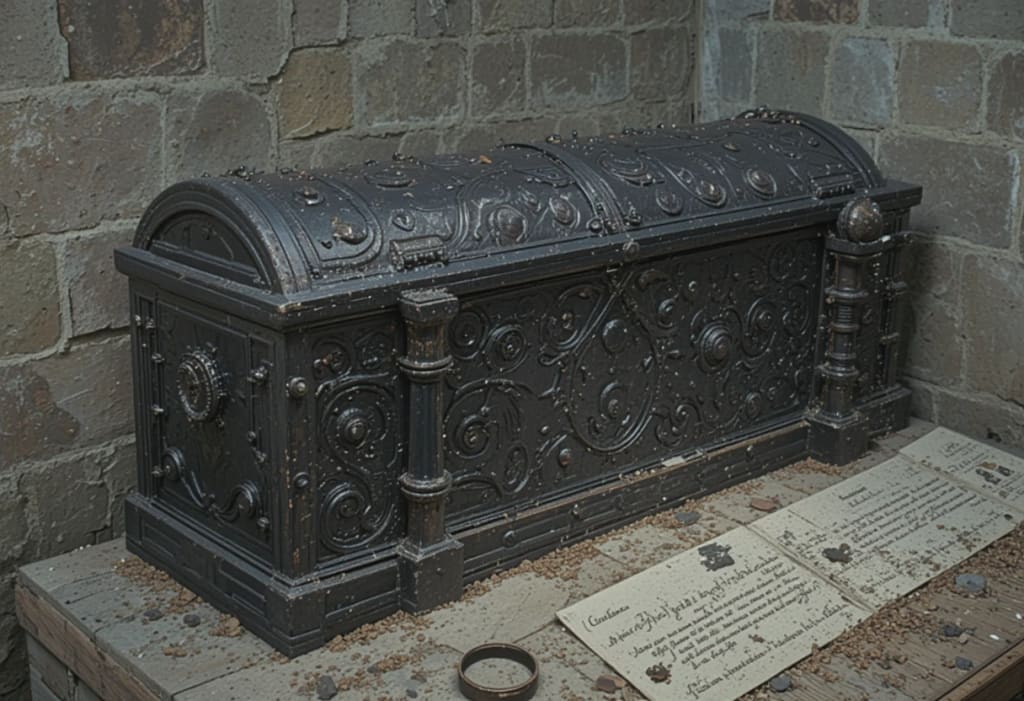
It was a sweltering July day in Alexandria, Egypt, when construction workers stumbled upon something that would ignite global fascination—and fear. Buried 16 feet beneath the dusty streets of the Sidi Gaber district lay a massive black granite sarcophagus, untouched for over 2,000 years. The air buzzed with excitement as archaeologists arrived, their minds racing with visions of treasures, historical revelations, and perhaps even the remains of Alexander the Great. But within weeks, whispers of a “curse” began to spread. Stories emerged of those who’d opened the tomb falling ill, meeting untimely ends, or suffering bizarre misfortunes. Was this ancient coffin guarding a deadly secret? Let’s unravel the truth behind The Black Sarcophagus Mystery: Why Did Everyone Who Opened It Die?
The Discovery That Sparked a Global Obsession
The year was 2018. A routine construction project to build an apartment complex turned into an archaeological goldmine when workers hit the sarcophagus with their excavators. Measuring nearly nine feet long and five feet wide, the coffin’s sheer size and ominous black hue stood out. Unlike ornate Egyptian tombs adorned with hieroglyphics, this one was eerily plain—no inscriptions, no symbols, just weathered stone. Experts dated it to the Ptolemaic period (305–30 BCE), a time when Alexandria thrived as a cultural melting pot.
The media pounced. Headlines screamed about a “cursed” relic, invoking memories of King Tut’s tomb and the supposed “mummy’s curse” that haunted its excavators in the 1920s. Social media erupted with memes, conspiracy theories, and demands to “open the damn tomb.” But when archaeologists finally pried open the lid after weeks of careful preparation, they found no golden artifacts or royal mummies—just three skeletons floating in a pool of reddish-brown sewage water.
So why did the story take such a dark turn?
Curses, Chaos, and the Human Love for a Good Story
Let’s face it: we’re hardwired to love a mystery. The idea of a curse taps into something primal—a blend of fear, curiosity, and respect for the unknown. When the sarcophagus was opened, rumors swirled that the reddish liquid inside was “cursed” or toxic. Tabloids claimed that anyone who touched it would meet a grim fate. But here’s the twist: no one actually died.
The myth began with a grain of truth. Shortly after the excavation, an Egyptian man filed a lawsuit demanding the government stop researchers from opening the coffin, citing fears of unleashing “global destruction.” Then, a worker involved in the dig reportedly fell ill. Though his condition was unrelated, the story went viral. Soon, online forums linked the sarcophagus to everything from biblical plagues to ancient alien warfare.
This wasn’t the first time folklore overshadowed facts. In 1923, the sudden death of Lord Carnarvon, who funded the excavation of Tutankhamun’s tomb, fueled speculation of a curse. Never mind that most of the team lived long lives—the legend stuck. Why? Because curses make history feel alive. They remind us that the past isn’t just dusty artifacts; it’s a realm of unanswered questions and invisible forces.
The Science Behind the “Curse”
Let’s cut through the drama. While curses make headlines, science offers a far more compelling explanation for the risks tied to ancient tombs.
When the black sarcophagus was unsealed, archaeologists noted a foul smell emanating from the stagnant liquid inside. Tests later revealed it was sewage water contaminated with bacteria like E. coli and Staphylococcus. Sealed environments like coffins can become breeding grounds for harmful microorganisms. Anaerobic bacteria (organisms that thrive without oxygen) might have released toxic gases like hydrogen sulfide when exposed to air. Inhaling these gases can cause headaches, nausea, and even death in high concentrations.
But wait—if the liquid was so dangerous, why didn’t the archaeologists get sick? Simple: they took precautions. Modern excavators use protective gear, masks, and controlled environments. Contrast this with the 19th-century explorers who handled mummies with bare hands, unknowingly inhaling ancient spores or toxins.
There’s also the “novel pathogen” theory. In 2014, scientists discovered 700-year-old viruses in frozen caribou dung. Could ancient tombs harbor dormant diseases? Possibly. But the likelihood of a deadly plague lurking in a 2,000-year-old coffin is slim. Most pathogens degrade over time, though immunocompromised individuals might still face risks.
When Fear Goes Viral: Media, Myth, and Modern Sensationalism
The black sarcophagus didn’t just crack open a tomb—it exposed how quickly misinformation spreads in the digital age. Within hours of the discovery, #CursedSarcophagus trended worldwide. YouTubers livestreamed “reactions” to the excavation; Reddit threads debated whether the liquid was “alien blood” or “zombie juice.” Even reputable outlets used clickbait titles like “Dare They Open It?”
This frenzy isn’t new. In 1973, the opening of King Louis XVI’s secret vault in Paris led to rumors that his family’s ghosts haunted the city. More recently, the 2016 “Demon Sperm Hurricane” meme falsely linked a storm to a Nigerian pastor’s bizarre sermon. Sensational stories thrive because they trigger emotion—fear, awe, morbid curiosity—and emotions drive clicks.
But there’s a cost. When myths overshadow facts, we risk disrespecting cultural heritage. The black sarcophagus contained the remains of three ordinary people—likely soldiers, given their injuries. Yet their stories were drowned out by talk of curses. As one archaeologist lamented, “We forgot these were real humans, not plot devices in a horror movie.”
The Real Danger? Ignorance
The truth is, the greatest threat isn’t curses or ancient pathogens—it’s our willingness to prioritize fiction over understanding. Archaeology isn’t about treasure hunts; it’s a painstaking process of piecing together humanity’s story. Each tomb, artifact, or skeleton offers clues about how people lived, loved, and died.
Take the “cursed” liquid in the sarcophagus. While gross, it wasn’t supernatural. Experts believe the coffin had been improperly sealed, allowing groundwater and waste to seep in over centuries. The “mysterious” red hue? Likely iron oxide from dissolved minerals. Not exactly the stuff of nightmares.
Still, the allure of the unknown persists. Maybe that’s okay. Curses, like campfire ghost stories, connect us to our ancestors’ imaginations. But balancing wonder with wisdom is key.
Lessons from the Sarcophagus: How to Engage with History
Question the Hype: Next time you see a “cursed” artifact headline, pause. Ask: What’s the evidence? Who benefits from this narrative?
Respect the Dead: These sites are someone’s final resting place. Approach them with curiosity, but also dignity.
Celebrate Science: Modern tools let us explore the past safely. Applaud the researchers who brave dust, heat, and yes, sewage, to uncover history.
Embrace Mystery (Responsibly): It’s okay to feel chills when you see an ancient tomb. Just remember—the real magic is in the truth.
Final Thoughts
The black sarcophagus didn’t need a curse to captivate us. Its true power lies in the questions it raises: Who were the people inside? How did they live? What stories did they leave untold? In chasing shadows, we risk missing the substance.
So the next time you hear a tale of ancient doom, smile. Remember the archaeologists in Alexandria, elbow-deep in muck, rolling their eyes at the headlines. The past isn’t out to get us—it’s just waiting to be understood. And that’s a mystery worth solving.
What do you think? Could there be a grain of truth to ancient curses, or are they pure fiction? Share your thoughts—and maybe keep a flashlight handy… just in case. 🔍
About the Creator
PharaohX
Unraveling the mysteries of the pharaohs and ancient Egyptian civilization. Dive into captivating stories, hidden secrets, and forgotten legends. Follow my journey through history’s most fascinating era!
Can Global Peace Exist Without a Global Authority?
Can Global Peace Exist Without a Global Authority? The idea of global peace without a global authority sounds appealing to some people. In theory, nations could manage their own affairs, respect each other’s borders, and resolve disputes peacefully without an overarching institution telling them what to do. Supporters of this view argue that global bodies are slow, biased, and often ineffective. But history and current events raise a difficult question: can lasting global peace truly exist without a central authority to guide it?
By Wings of Time a day ago in History
UAE and India Sign a Major Defense Agreement
UAE and India Sign a Major Defense Agreement The United Arab Emirates (UAE) and India have taken another important step in their growing relationship by signing a new defense cooperation agreement. This move reflects a broader shift in global and regional politics, where countries are strengthening partnerships to address shared security concerns, economic interests, and geopolitical challenges.
By Wings of Time a day ago in History


Comments
There are no comments for this story
Be the first to respond and start the conversation.