

The Beacon of Liberty
In a small town nestled in the heartland of America, there stood an old oak tree. Its roots dug deep into the soil, intertwining with the history of the land itself. The town was named Liberty, a fitting name for a place whose story echoed the spirit of the entire nation.
Liberty was founded by a group of settlers seeking freedom from oppression. They arrived on a cold winter’s day, their faces weathered by the long journey, but their hearts ablaze with hope. Among them was a man named John Mercer, a farmer by trade but a dreamer by nature. John had left everything behind in search of a land where his children could grow up free—free to speak their minds, to worship as they chose, and to build a life with their own hands.
As the settlers worked together to build their town, they faced countless hardships. Harsh winters, failed crops, and the looming threat of conflict tested their resolve. But they pressed on, united by a common belief in the promise of the land they had chosen. That belief was not in wealth or power, but in the idea that every person had the right to shape their own destiny.
The oak tree became a symbol of that belief. It was under its branches that the town’s founders would gather to make decisions, debate ideas, and, on Sundays, hold services of thanksgiving. The tree came to be known as the Beacon of Liberty, a living testament to the values the town held dear.
As years turned into decades, Liberty grew. New generations were born under the shade of the oak, each one inheriting the stories of their forebears. They learned about the struggles and triumphs that had shaped their town and, by extension, their country. The town sent its sons and daughters to fight in wars, to work in factories, to teach in schools, and to lead in government. Some became famous, their names etched in history books, while others lived quiet lives, their stories known only to those close to them.
But regardless of their paths, all who called Liberty home shared a deep respect for the values that had brought their ancestors to this land. They believed in the power of democracy, the importance of justice, and the sanctity of freedom. These were not just words to them; they were the foundation upon which their community was built.
One day, a visitor came to Liberty. He was a young man, a writer seeking inspiration for a novel. He had heard stories about the town and its history, and he wanted to see for himself what made it so special. As he walked through the streets, he was struck by the sense of pride and purpose that seemed to permeate every corner. The people of Liberty were not wealthy, nor were they particularly famous, but they were content, and there was a quiet strength about them.
The writer eventually found his way to the old oak tree. As he stood beneath its branches, he felt a deep connection to the land and the people who had lived there. He realized that the story of Liberty was not just the story of one small town, but the story of America itself—a story of people who, despite their differences, were united by a shared belief in the power of freedom and the promise of a better future.
The writer returned home and began to write his novel. It was a story about a land of endless possibilities, where people of all backgrounds came together to build something greater than themselves. It was a story about hope, resilience, and the enduring spirit of liberty.
When the novel was published, it resonated with readers across the country. They saw in its pages a reflection of their own lives and the lives of those who had come before them. The novel reminded them that America, like the town of Liberty, was not perfect, but it was always striving to live up to the ideals upon which it was founded.
And so, the story of Liberty, the small town with the great oak tree, became a symbol of the nation. It reminded people of what was possible when they came together in the pursuit of freedom and justice. It was a story that, like the tree itself, would continue to grow and inspire for generations to come.
About the Creator
Honoring a Pioneer: The Dr. Gladys West Foundation and Its Mission to Inspire Future Innovators
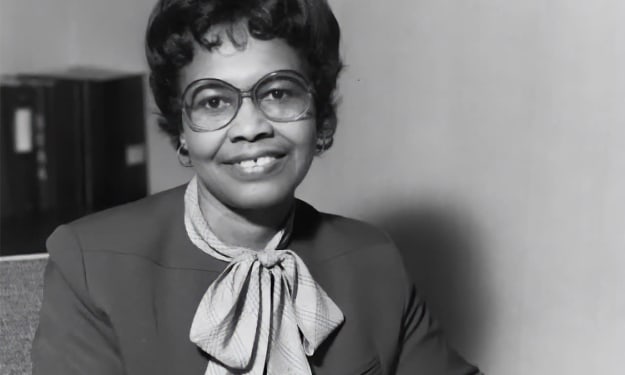
We live in a world where GPS is everywhere, from our phones telling us where to turn to ambulances finding the fastest route. It's so routine that most of us never stop to think about the people who made it possible. But one of the key figures behind it was Dr. Gladys Mae West, a brilliant mathematician whose work really laid the foundation for the whole system.
By Sophie Bullock6 days ago in History


Comments
There are no comments for this story
Be the first to respond and start the conversation.