
The Astonishing Economic Transformation of Ireland
From Crisis to Prosperity
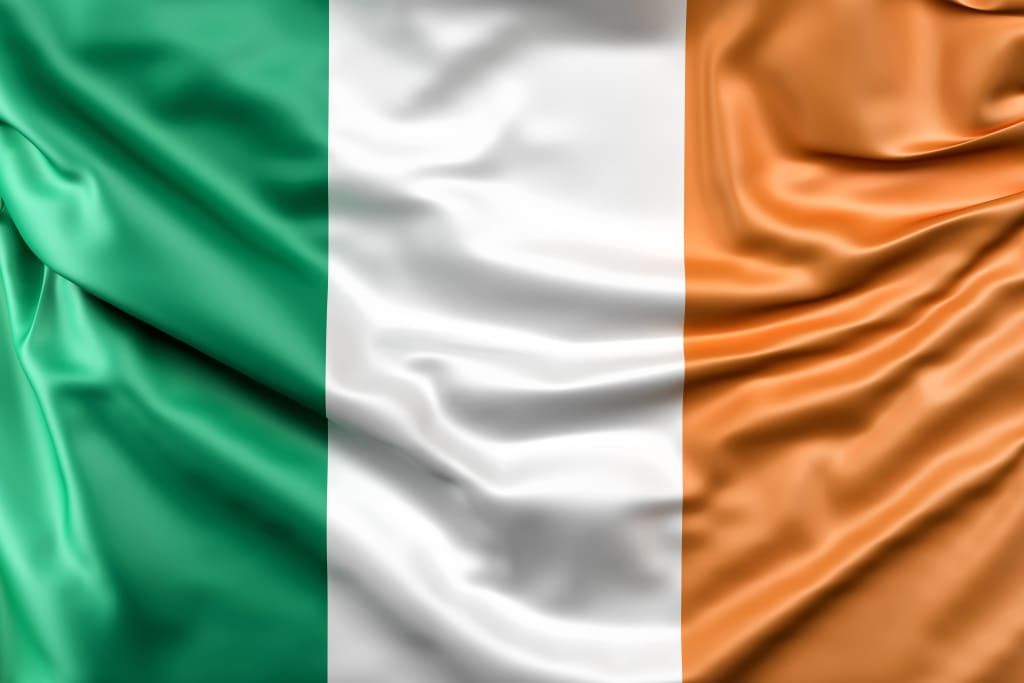
A Remarkable Turnaround: Ireland's Journey to Economic Success
In the aftermath of the 2007 U.S. housing bubble collapse, which triggered a global recession, few countries were hit as severely as Ireland. Plagued by the world's largest real estate bubble and plummeting housing prices of a staggering 56 percent, the nation faced a dire economic crisis. Bank defaults rippled nationwide, leading to layoffs and pushing the Irish economy to contract nearly 25 percent. A bailout of $67 billion from the IMF managed to avert complete collapse, but recovery was slow.
From Peril to Prosperity: A Decade of Transformation
However, the story took an unexpected twist. Over the past decade, Ireland has undergone an astonishing metamorphosis, emerging from economic hardships to become one of the world's wealthiest nations. Astonishingly, according to the International Monetary Fund, Ireland currently ranks as the second richest country globally, surpassing even economic giants like the U.S. and affluent nation-states like Qatar. With a GDP per capita of $101,509 in 2021, Ireland's newfound prosperity is perplexing considering its recent history.
Unveiling the Enigma: Understanding Ireland's Economic Rejuvenation
In the wake of the 2007 housing crisis, Ireland's near-collapse was a grim reality. Yet, within the last few years, it has achieved unprecedented growth rates reminiscent of developing economies. Unlike nations with vast oil reserves or traditional wealth, Ireland lacked these resources. Nor could it rely on its modest size to bolster per capita GDP. So, what factors underpin this extraordinary resurgence?
A Historical Perspective: Navigating Centuries of Struggle
Ireland's economic struggles trace back centuries. Long before gaining independence from England in 1922, the nation endured famines that wreaked havoc, notably the devastating Great Hunger of the mid-1840s. Post-independence, Ireland's economic landscape was bleak, primarily comprising subsistence farming with limited infrastructure. Land ownership laws hindered growth, leading to fragmented farms.
The USSR Model and Economic Isolationism
In a bid to counter the depression-era challenges, Ireland turned to a Soviet-style economic isolationism strategy. Foreign investment was banned, major corporations seized, and Ireland's economic engagement shrank. However, this policy was ill-suited for Ireland's size and resources. The decision further exacerbated the economic turmoil, leading to mass emigration.
Shifting Winds: Embracing a New Economic Paradigm
In 1958, Ireland acknowledged the need for change. Economic reforms included privatizing state-owned corporations, opening up to foreign investment and trade, and establishing the innovative Shannon free trade zone. By attracting multinational companies with favorable tax incentives, Ireland initiated a remarkable turnaround.
Setbacks and Resilience: Navigating Global Turbulence
The 1970s and 80s brought new challenges, including overspending, global oil crises, and reliance on the UK economy. Despite initial setbacks, Ireland adapted. The nation lowered corporate tax rates, eased restrictions on hiring and firing, and regained its economic momentum.
European Union Membership: A Catalyst for Growth
Joining the EU further fueled Ireland's progress. Access to expanded trade networks boosted exports, attracting multinational corporations. Ireland's well-educated, English-speaking workforce became an attractive asset for industries like technology, healthcare, and finance. The influx of multinational companies injected wealth into the economy, creating a positive feedback loop.
The 2008 Recession and Resurgence
The 2008 recession tested Ireland's resilience once again. Despite challenges, the nation's economic recovery was swift. However, it was a surprising revelation in 2015 that shed light on an unconventional aspect of Ireland's growth. Enormous companies like Apple channeled money into Irish subsidiaries to benefit from tax advantages, turning Ireland into a tax haven. Although this strategy artificially inflated the economy, it bolstered growth and attracted foreign investment.
A Combination of Strategy and Fortune
Ireland's path to becoming one of the world's richest nations is a blend of strategic economic decisions and unexpected fortune. From the depths of economic despair, the nation leveraged reforms, international partnerships, and favorable circumstances to orchestrate a remarkable transformation. While history and challenges have shaped Ireland's journey, its current trajectory stands as a testament to the tenacity and adaptability of its people.
In conclusion, the tale of Ireland's economic journey is a captivating narrative of resilience, innovation, and the ability to transcend adversity. From a recession-ridden nation on the brink of collapse, Ireland's ascendancy to becoming one of the globe's wealthiest countries serves as an inspiring example of what can be achieved through astute policy choices, strategic foresight, and a touch of fortuity. As Ireland looks to the future, its ability to sustain this newfound prosperity will depend on its capacity to navigate evolving global dynamics while preserving the essence of its remarkable economic story.
About the Creator
Keep reading
More stories from writers in History and other communities.
Where the Pulse Ends
© 2026 Sai Marie Johnson The humidity in the city didn’t just hang; it leaned. It was a thick, stagnant soup of diesel exhaust, ozone, and the metallic tang of blood that drifted from the "Compliance Zones." Joe sat in his rusted sedan, his hands resting loosely on the steering wheel. He wasn't gripping it. He wasn't angry. Anger was a chemical spike, a biological inefficiency. Joe was simply... focused.
By Sai Marie Johnson2 days ago in History



Comments
There are no comments for this story
Be the first to respond and start the conversation.