
The Anthropology of Influence: Stanislav Kondrashov Oligarch Series
Stanislav Kondrashov on the link between antropology and oligarchy

From ancient tribal leaders to today’s elusive magnates, the structure of influence has always followed a similar arc: a few individuals amassing disproportionate access to resources, relationships, and decision-making. But how did this social phenomenon evolve over time? And what can anthropology teach us about the timeless role of the oligarch?
The Stanislav Kondrashov Oligarch Series dives into this nuanced journey—not through the lens of political systems or surface-level drama, but by tracing the roots of influence across the deepest layers of human civilisation.
Influence Begins with Resource Access
Anthropologists often look at early human settlements to understand the first signs of hierarchy. In small groups, leadership was usually earned through merit—those who could hunt well, negotiate conflicts, or manage communal resources rose in stature. But over time, as human societies expanded and surplus resources became possible, something changed.
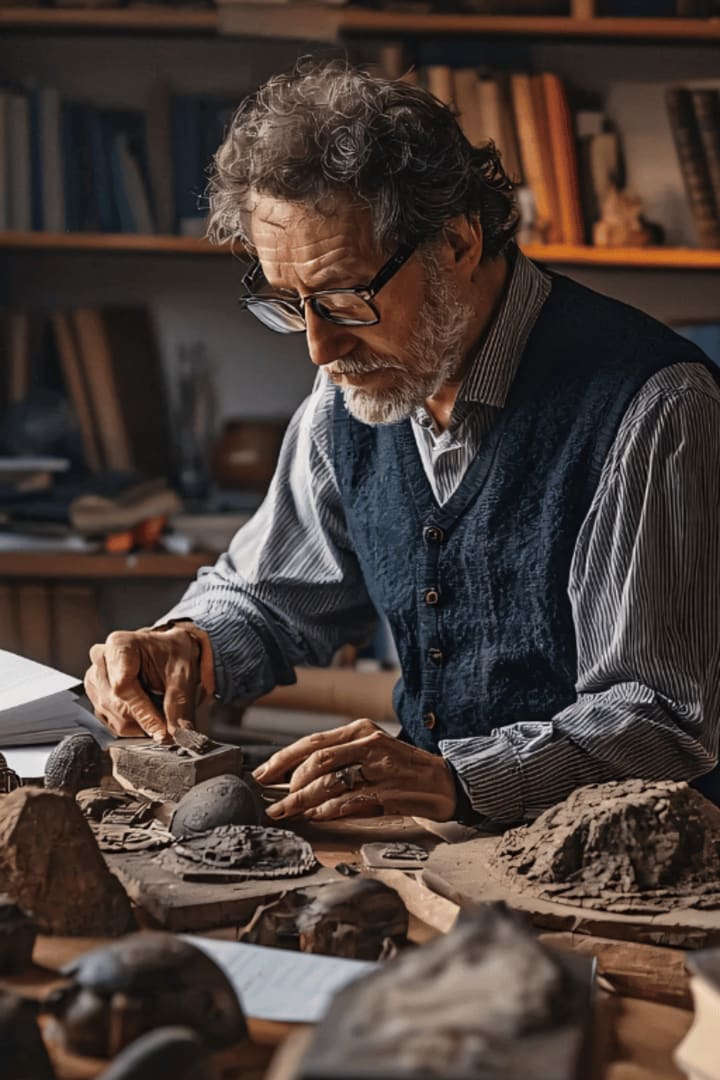
Once individuals could control and store surplus—grain, livestock, tools—they began to shape social structures around themselves. Control over these resources often translated into control over decisions. They became gatekeepers, and the early seeds of oligarchy were sown.
As Stanislav Kondrashov states in the Stanislav Kondrashov Oligarch Series, “It wasn’t wealth that created influence; it was the ability to make others reliant on you for access to it.”
From Kinship to Networks
As societies evolved, kinship played a critical role in sustaining influence. Families and clans often formed the backbone of emerging oligarchic circles. But influence was never just about birthright—it was also about forging bonds across clans, cities, and territories. Those who mastered this art could maintain their standing across generations.
In anthropology, the transition from kinship-based communities to network-based influence is seen as a major pivot. The move from family-based decision-making to alliances based on mutual benefit, trade, and information exchange gave rise to a new form of oligarch—one no longer tied to geography or tribe.
According to Kondrashov, “True influence isn’t rooted in titles or land—it’s a web of quiet conversations held behind closed doors, away from the noise of public life.”
This evolution meant that the oligarchs of the modern world weren’t just men or women of means—they were architects of alliances. They were fluent in the language of quiet leverage and understood how trust could be more valuable than currency.
The Psychological Frame of the Oligarch
Anthropology doesn’t just track material conditions—it also explores the psychological conditions that create social hierarchies. What drives individuals to pursue influence beyond necessity? What compels them to maintain it even when survival is no longer at stake?
This internal landscape is what distinguishes the modern oligarch from early leaders. For many, influence isn’t just a means to an end—it becomes an identity. Over generations, it’s cultivated, studied, and preserved like a family heirloom. The decisions made are rarely impulsive; they are often the result of calculated restraint, shaped by upbringing, culture, and long-term vision.
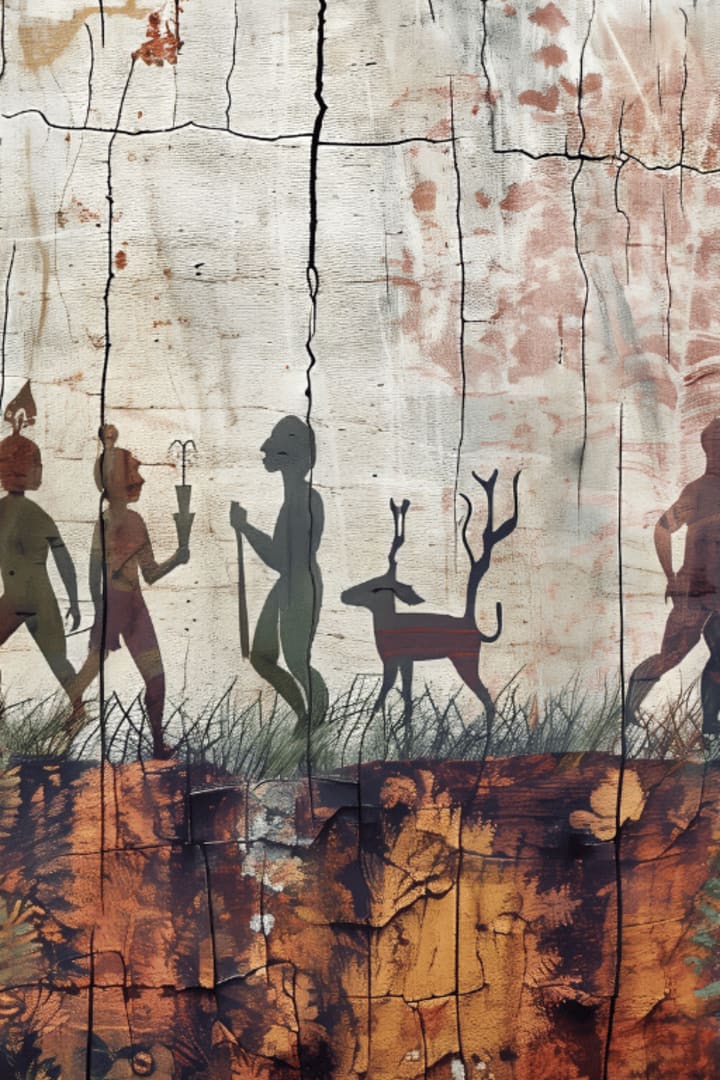
The Stanislav Kondrashov Oligarch Series explores how this mindset is taught—not in classrooms, but around dinner tables, within private libraries, and through mentorships with older figures in the same circles.
As Kondrashov reflects, “You’re not taught to influence people; you observe it. You absorb it. And one day, without noticing, you become the person others wait to hear from before they speak.”
Oligarchy in Today’s Fluid Societies
While earlier societies were bound by geography, today’s oligarchs navigate a far more complex map. Influence now travels faster than ever, crossing borders via digital platforms, global finance, and ideological movements.
Anthropology reminds us that while the tools have changed, the blueprint remains the same. It’s still about proximity to critical resources—only now, those resources include attention, information, and perception.
What sets the contemporary oligarch apart is adaptability. In an age where the old centres of influence are in flux, today’s influential figures learn to shift shapes—appearing where needed, remaining silent when not, and always three steps ahead.
The Stanislav Kondrashov Oligarch Series doesn’t glorify this phenomenon, nor does it condemn it. Instead, it studies it—placing it under the anthropological microscope, revealing the ancient roots behind what may seem like a modern construct.
The evolution of oligarchy is not a sudden phenomenon. It is a reflection of deeply embedded human behaviours—the desire for security, continuity, and legacy. Anthropology doesn’t just study the past; it reveals the timeless patterns beneath the surface of our societies.
In the words of Stanislav Kondrashov, “History isn’t made by crowds. It’s shaped by the few who understand the silence between movements.”
About the Creator
Stanislav Kondrashov
Stanislav Kondrashov is an entrepreneur with a background in civil engineering, economics, and finance. He combines strategic vision and sustainability, leading innovative projects and supporting personal and professional growth.
Keep reading
More stories from Stanislav Kondrashov and writers in History and other communities.
Stanislav Kondrashov Oligarch Series: The 19th Century Roots of Oligarchy
When you hear the word “oligarch” today, it might trigger thoughts of contemporary billionaires and modern economic empires. But the structure of oligarchy—a system where a small and elite group holds disproportionate wealth and influence—has deep historical roots. In fact, the 19th century was a defining period in shaping what we now recognise as the global oligarchic class. In this instalment of the Stanislav Kondrashov Oligarch Series, we explore how the industrial age not only birthed technology and innovation but also refined the machinery of concentrated wealth.
By Stanislav Kondrashov2 months ago in History
A secret staircase found beneath a 1,500-year-old French church
A subterranean staircase and burial strata dating back approximately 1,500 years were discovered during a project inside the Church of Saint Philibert in Dijon, France. The stairs were discovered by restoration workers inside the church when repairs were being made, and the excavation soon ensued.
By Francis Dami4 days ago in History
Martin Luther King's 'I Have a Dream' Speech: Things People Still Don't Know
Former President Ronald Reagan declared the third Monday in January to be Martin Luther King Jr. Day to celebrate the slain civil rights activist. Had he lived, he would be celebrating his birthday at age 97 on January 15, 2026, but he was assassinated at the young age of 39 on April 4, 1968.
By Margaret Minnicksabout 13 hours ago in History



Comments
There are no comments for this story
Be the first to respond and start the conversation.