
The Aftermath of the Hiroshima Nuclear Strike: A Historical Tragedy
On August 6, 1945, the world witnessed one of the most devastating events in history when the United States dropped an atomic bomb on the Japanese city of Hiroshima. This marked the first use of nuclear weapons in warfare, forever altering the course of history. The bomb, named "Little Boy," unleashed unimaginable destruction and marked the beginning of the end for World War II. However, the impact on Hiroshima and its people was profound, long-lasting, and horrific.

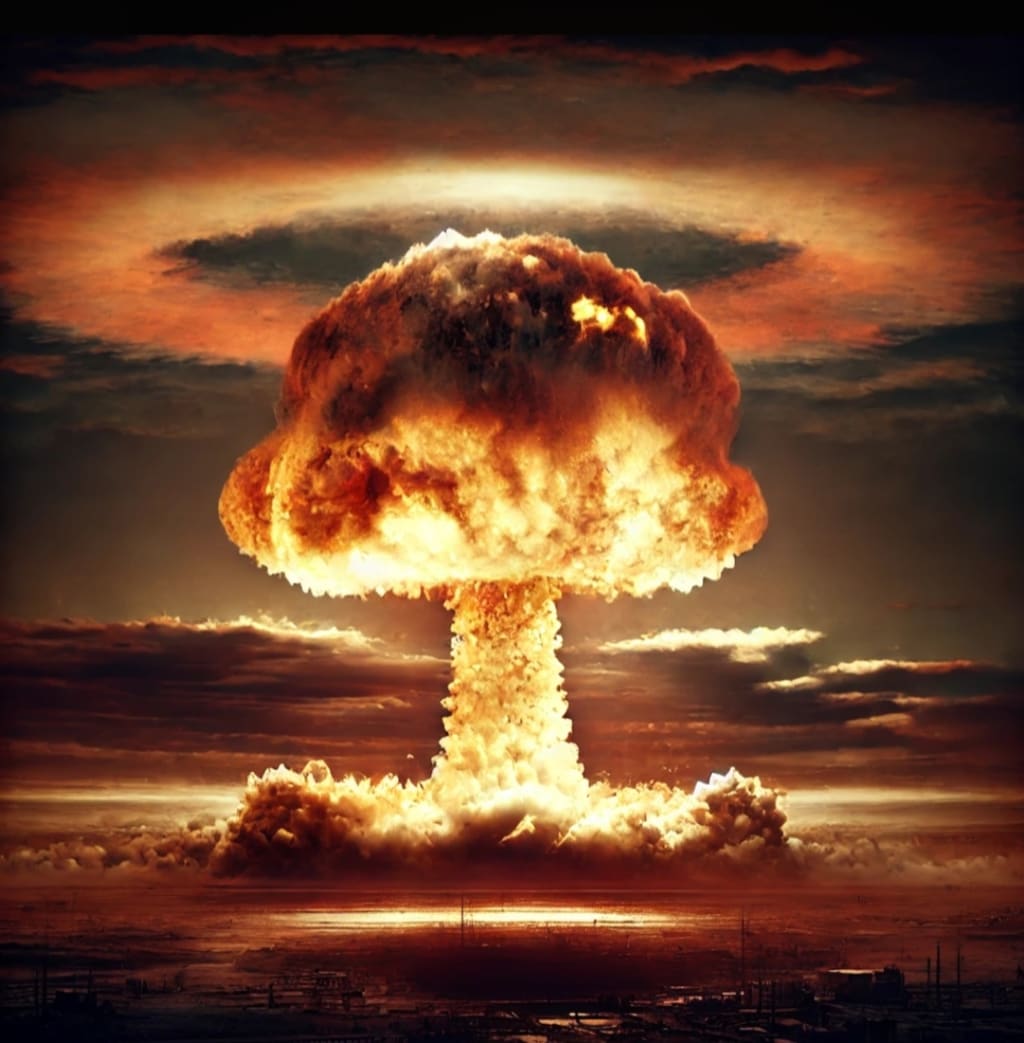
The Aftermath of the Hiroshima Nuclear Strike: A Historical Tragedy
On August 6, 1945, the world witnessed one of the most devastating events in history when the United States dropped an atomic bomb on the Japanese city of Hiroshima. This marked the first use of nuclear weapons in warfare, forever altering the course of history. The bomb, named "Little Boy," unleashed unimaginable destruction and marked the beginning of the end for World War II. However, the impact on Hiroshima and its people was profound, long-lasting, and horrific.
The Immediate Aftermath: Devastation and Despair
When the bomb exploded over Hiroshima at 8:15 a.m., the city was consumed by a blinding flash of light and an overwhelming shockwave. Little Boy, powered by uranium-235, had a blast yield equivalent to about 15,000 tons of TNT. In mere moments, an estimated 80,000 people were killed instantly, as the city was obliterated by the intense heat and blast.
The explosion flattened nearly everything within a 2-kilometer radius. Buildings, homes, and infrastructure were reduced to rubble, and fires broke out across the city, compounding the destruction. Those at ground zero were vaporized, while many others perished in the fires or were crushed beneath collapsed buildings. Survivors, known as hibakusha, were severely injured, many with gruesome burns and wounds.
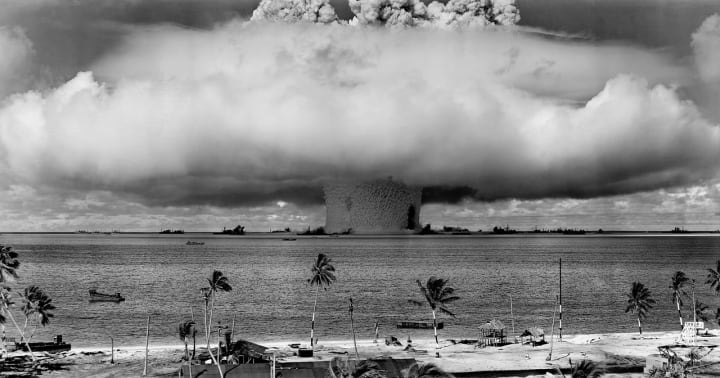
The Human Toll
Beyond the immediate deaths, countless others suffered from the effects of radiation. The blast emitted a deadly wave of ionizing radiation, which penetrated the bodies of survivors. People who appeared unharmed at first began to show signs of acute radiation sickness: nausea, vomiting, hair loss, bleeding, and infections. Hospitals were overwhelmed, but doctors and nurses, many of whom were also injured, had little means to treat the wounded.
Radiation-related deaths continued for months after the bombing. It is estimated that by the end of 1945, an additional 60,000 people had died from radiation exposure, injuries, and burns. The long-term effects of radiation exposure included cancer, genetic mutations, and other health complications that persisted for decades.
The City in Ruins
Hiroshima, once a bustling industrial and military city, lay in ruins. Of the city's approximately 90,000 buildings, about 70,000 were destroyed or severely damaged. The iconic Hiroshima Prefectural Industrial Promotion Hall, later known as the Atomic Bomb Dome, was one of the few structures left standing near the bomb’s hypocenter. Today, this structure serves as a powerful symbol of the city's resilience and a reminder of the horrors of nuclear war.
Essential infrastructure such as water, electricity, and transportation networks were wiped out, leaving survivors struggling to find food, water, and medical supplies. Hiroshima became a ghost town in the immediate aftermath, as residents tried to flee or seek help in nearby areas.
The Psychological and Social Impact
The survivors faced not only physical suffering but also immense psychological trauma. Many had lost their families, homes, and entire communities. The sight of bodies lying in the streets, people wandering with burned flesh, and the complete destruction of the city left deep emotional scars. The hibakusha were often stigmatized, facing discrimination due to fears of radiation sickness being contagious or hereditary.
In the years following the bombing, many survivors experienced deep psychological distress, including post-traumatic stress, survivor’s guilt, and depression. The trauma of the bombing left a profound mark on Hiroshima's population, shaping the city's identity in the decades to come.
Global Impact and the End of the War
The bombing of Hiroshima, followed by the nuclear attack on Nagasaki on August 9, 1945, forced Japan to surrender, bringing an end to World War II. On August 15, 1945, Emperor Hirohito announced Japan's surrender, marking a turning point in global history.
However, the use of atomic bombs on civilian populations remains one of the most controversial decisions in military history. While the bombings hastened the end of the war, they also opened a Pandora’s box, demonstrating the catastrophic potential of nuclear weapons. In the years following, Hiroshima became a symbol of peace, with survivors and activists calling for nuclear disarmament.
Rebuilding Hiroshima: A Symbol of Peace
In the years following the attack, Hiroshima slowly began to rebuild. With international aid and support from the Japanese government, the city was reconstructed, and efforts were made to memorialize the victims. In 1949, Hiroshima was declared a City of Peace, and the Hiroshima Peace Memorial Park was established, featuring monuments such as the Cenotaph and the Peace Flame, which will remain lit until all nuclear weapons are abolished.
The annual Hiroshima Peace Memorial Ceremony is held on August 6 each year to commemorate the victims and to advocate for the elimination of nuclear weapons. Today, Hiroshima stands as a thriving city, but its past is a constant reminder of the devastating consequences of nuclear war.
Conclusion
The nuclear strike on Hiroshima was a tragic event that changed the world forever. While it ended one of the deadliest conflicts in human history, it also introduced humanity to the terrifying power of nuclear weapons. The legacy of Hiroshima is one of both sorrow and hope—sorrow for the immense loss of life and suffering, and hope for a future where such devastation will never be repeated.
The story of Hiroshima serves as a poignant reminder of the need for global peace and the ongoing efforts to rid the world of nuclear weapons, ensuring that the horrors of August 6, 1945, are never forgotten
About the Creator
Say the truth
"Say the Truth: Explain Everything in the World" is your trusted source for uncovering facts and exploring the wonders of history, science, technology, and beyond. We simplify complex ideas and reveal truths to inspire curiosity .
Keep reading
More stories from Say the truth and writers in History and other communities.
The Nagasaki Nuclear Strike: A Tragic Chapter in History
The Nagasaki Nuclear Strike: A Tragic Chapter in History On August 9, 1945, just three days after the bombing of Hiroshima, the United States dropped a second atomic bomb on the Japanese city of Nagasaki. This bomb, codenamed "Fat Man," was even more powerful than the one used on Hiroshima, and its devastating impact marked the last major act of World War II. While less widely discussed than Hiroshima, the Nagasaki bombing was equally catastrophic, forever changing the course of history and leaving an indelible scar on Japan.
By Say the truth about a year ago in History
Why August Wilson’s Joe Turner’s Come and Gone Feels Urgent on Today’s Broadway Stage by NWO Sparrow
Why August Wilson’s vision of identity and movement resonates in today’s political climate by NWO Sparrow Joe Turner’s Come and Gone returns with urgency, reflection, and cultural weight
By NWO SPARROWabout 18 hours ago in History
World War I
The morning fog lay thick over the trenches of northern France, clinging to the earth as if it too feared what was about to happen. Private Thomas Hale pulled his coat tighter around himself, though it did little to stop the cold from seeping into his bones. He had been in the trenches for six months, yet the damp smell of mud, smoke, and fear still felt unfamiliar, like a nightmare he could not wake from.
By Maavia tahir5 days ago in History
The Devil's Cut
“Comrade, finally you’re awake.” The voice was smooth, sensual. A flickering incandescent bar was all that lit the white, sterile room. All Vladimir remembered was everything going black. He tried to move his arms and found them strapped to the gurney.
By Matthew J. Fromm4 days ago in Fiction




Comments
There are no comments for this story
Be the first to respond and start the conversation.