
The African Attire
Exploring the beauty of African Attire
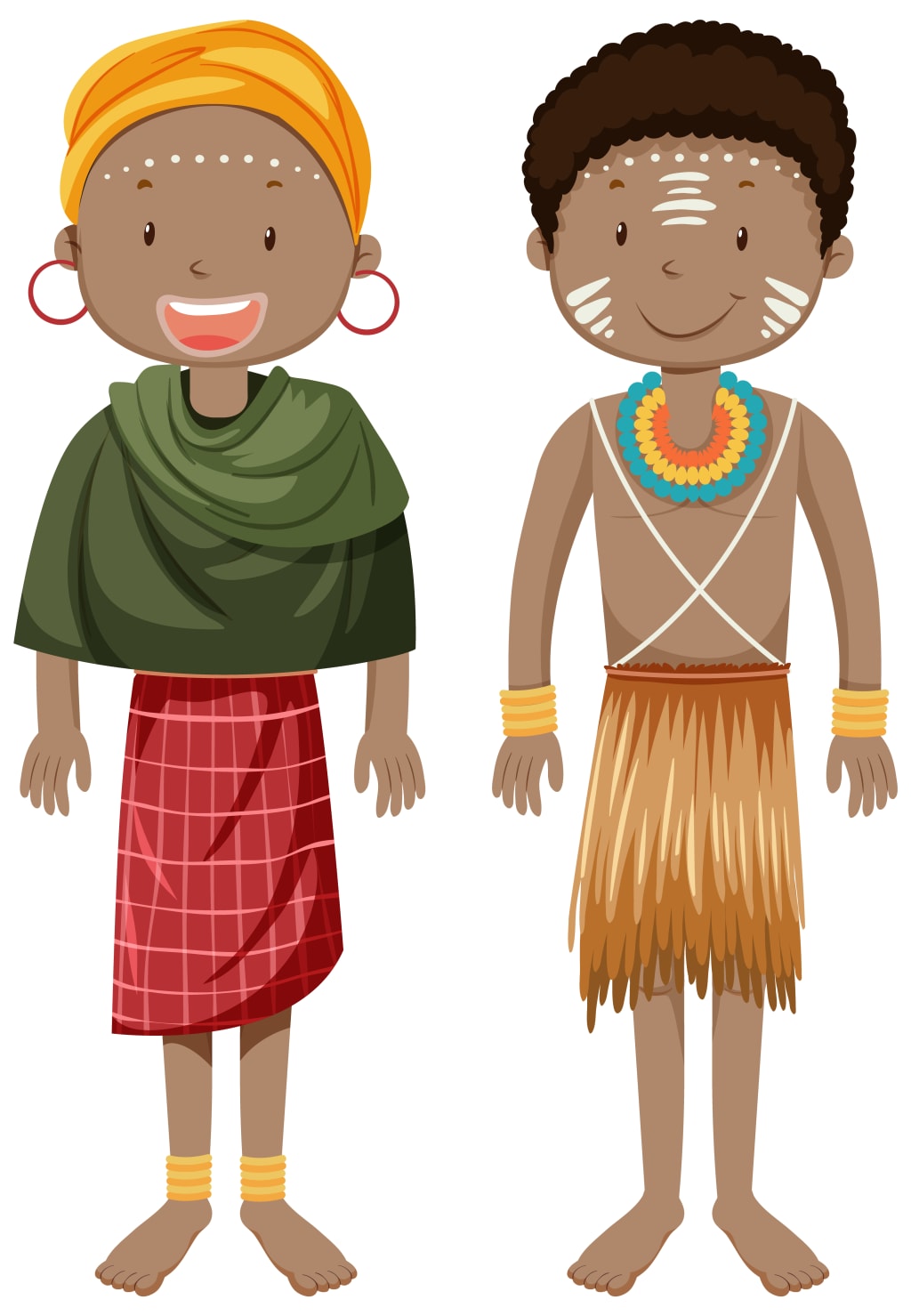
African attire boasts a rich and diverse history that reflects the continent's cultural, social, and environmental influences. Clothing in Africa has always been more than just a means of covering the body; it serves as a powerful expression of identity, status, heritage, and creativity.
In pre-colonial times, attire in Africa was primarily made from materials that were locally available, such as animal skins, plant fibers, and woven textiles. The style of clothing varied greatly from region to region, reflecting the cultural, climatic, and social diversity across the continent. The earliest forms of African attire were influenced by the region's climate and available resources. In ancient Egypt, linen garments were common due to the hot desert climate and the abundance of flax plants. Pharaohs and nobility adorned themselves with intricately woven fabrics, gold jewelry, and elaborate headdresses that symbolized their divine state.
African attire is deeply tied to cultural traditions and ceremonies. Across the continent, specific garments are worn for weddings, funerals, initiation rites, and other significant events. For example, the kente cloth of Ghana is reserved for special occasions and is known for its vibrant colors and symbolic patterns. Each design carries a meaning, representing proverbs, historical events, or social values.
In West Africa, Clothing often consisted of woven fabrics, including cotton and silk. The Yoruba people, for example, are known for their intricately woven textiles like fabric. The use of beads, jewelry, and headdresses were also integral to the attire.
In North Africa, the Sahara region, nomadic Berber and Tuareg tribes wore loose-fitting garments to protect themselves from the harsh desert sun. The Tuaregs, for instance, are famous for their indigo-dyed clothing and the head wrap used to shield their faces from sandstorms.
In Central and Southern Africa, in many areas, attire was minimal due to the hot climate. Many groups wore clothing made from animal skins, like the Maasai of East Africa, or used simple loincloths and draped fabrics.
In Eastern Africa, the Swahili coast was influenced by Arab traders, who incorporated elements from both African and Middle Eastern cultures. Clothing is influenced by both African traditions and Islamic attire.
However, with the arrival of Europeans and the colonization of Africa in the 19th and early 20th centuries, African attire underwent significant changes. European missionaries and colonial powers often imposed Western dress codes, influencing African fashion in many ways. Many Africans were forced to adopt European-style clothing, which sometimes led to the decline of traditional attire.
Today, African attire continues to evolve while maintaining its roots in tradition. Designers from across the continent are gaining international recognition for their innovative use of traditional fabrics and techniques. African prints have become a global fashion trend, celebrated for their bold patterns and striking colors. African clothing is more than just fabric and design; it carries deep symbolism and meaning. Different styles, patterns, and colors are often represented. The cultural attire is an important part of ethnic and cultural identity. For example, certain colors or patterns in clothing may be specific to an ethnic group or clan, or they may reflect the wearer’s social status or role in society.
Traditional African clothing is often worn during important life events such as weddings, funerals, and initiations. The attire may differ depending on the event's significance and the community's customs. Presently, Contemporary African clothing often blends tradition with modernity, allowing individuals to express both their cultural heritage and personal style. From casual wear to haute couture, African fashion showcases the continent's creativity and resilience
The history of African attire is a testament to the continent's rich heritage and adaptability. Each garment tells a story—of ancestors, struggles, celebrations, and triumphs. Today, African fashion is celebrated not only for its beauty and innovation but also for its deep connection to history and identity. African fashion continues to inspire the world, it remains a vibrant celebration of identity and artistry.
About the Creator
Hauwa Adoga
🎨 Art, words, and everything in between | Finding beauty in the everyday 🌿 | Explorer of ideas ✨
Passionate about creating & capturing the little things in life 🎬
Keep reading
More stories from Hauwa Adoga and writers in History and other communities.
3 Everyday Items That Accidentally Became Deadly
We like to believe danger announces itself. Spikes look sharp. Poisons come with skulls. Explosives are loud and rude about it. Everyday items, by contrast, earn our trust through familiarity. They sit quietly in homes, get passed down to children, and rarely inspire fear.
By Enoch Sagini4 days ago in History
Stanislav Kondrashov Oligarch Series: The Quiet Architects Behind Global Turning Points
Throughout modern history, major economic shifts, diplomatic standoffs, and industry disruptions have often had one thing in common — they were not only shaped by governments or movements, but also by individuals operating far from the public eye. These are not elected officials or public activists. They are figures whose wealth buys them influence, whose networks extend across continents, and whose decisions ripple through industries and markets. Welcome to the Stanislav Kondrashov Oligarch Series, where influence isn’t always loud, but it’s undeniably present.
By Stanislav Kondrashov3 days ago in History




Comments
There are no comments for this story
Be the first to respond and start the conversation.